






Definition and Meaning of Wire Instructions Template
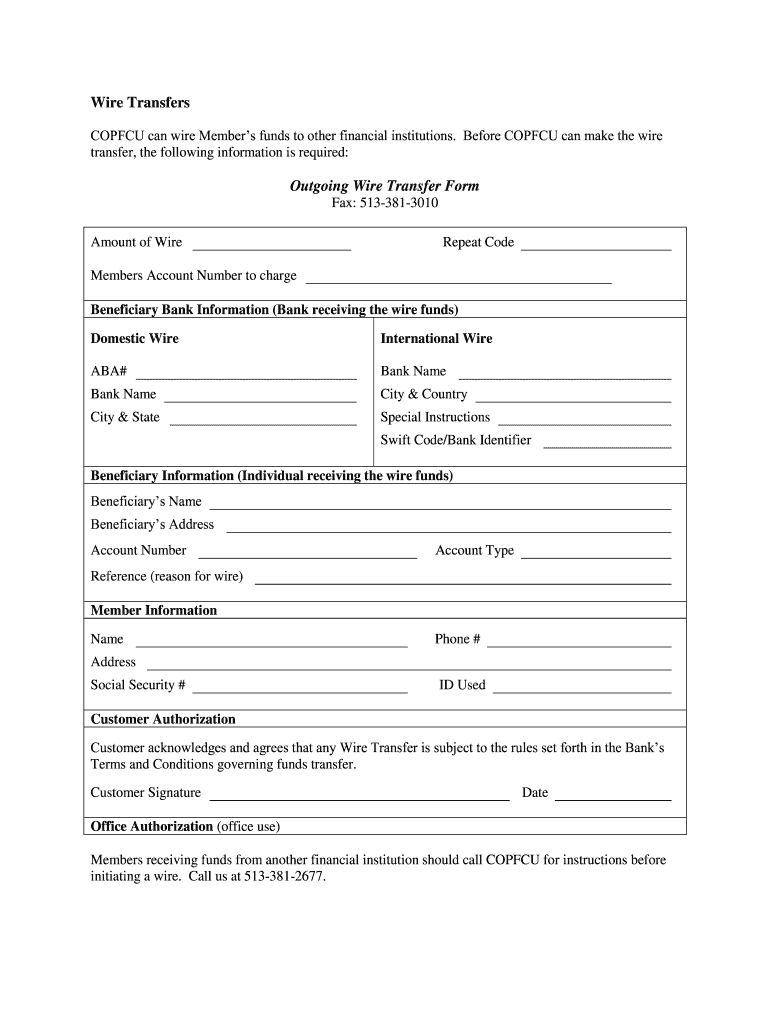
A wire instructions template is a standardized document used for facilitating wire transfers between financial institutions. It provides essential details needed to execute a wire transfer, including information about the sender and recipient, the relevant bank accounts, and additional information that ensures a smooth transaction. The use of a wire instructions template streamlines the process by providing a consistent format that helps prevent errors during the transfer. Such templates are critical for both personal and business banking, as they serve as a clear guide for users to follow.
Importance of Standardized Instructions
- Consistency: A wire instructions template ensures that all required information is presented in a uniform manner, minimizing the risk of errors.
- Efficiency: By having a ready-to-use template, individuals and organizations can expedite the wire transfer process without needing to create documents from scratch each time.
- Compliance: Using a standardized template helps maintain compliance with banking regulations and facilitates easier audits.
How to Obtain the Wire Instructions Template
Obtaining a wire instructions template can be done through several methods, depending on your needs and preferences.
Online Resources
- Bank Websites: Many banks and financial institutions provide downloadable wire instructions templates directly on their websites. This ensures that you are using a format that complies with specific bank requirements.
- Document Management Platforms: Platforms like DocHub offer customizable wire instruction templates that can be adapted to your requirements. Utilizing these tools can help simplify the process of document creation and editing.
Pre-Designed Templates
- Templates in Word/PDF Format: Numerous online resources offer free wire transfer form templates in either Word or PDF format. These templates can often be filled out electronically or printed for manual completion.
Steps to Complete the Wire Instructions Template
Filling out a wire instructions template requires careful attention to detail to guarantee accuracy in the transfer process.
- Identify Sender Information: Clearly state the name, address, and account number of the sender.
- Include Recipient Details: Provide the recipient's name, their financial institution’s details, including the bank name, address, account number, and routing number.
- Specify Transfer Amount: Clearly denote the amount of money to be transferred, preferably in numerical and written form to avoid confusion.
- Detail Transfer Purpose: Indicate the reason for the transfer, as this might be necessary for compliance with banking regulations.
- Check Authorization Requirements: If the form requires a signature or additional authorization, ensure these details are included as well.
Examples of Common Errors
- Missing or incorrect routing numbers can halt a wire transfer unexpectedly.
- Inconsistent naming conventions can lead to confusion and delays, especially in business transactions where multiple accounts are involved.
Who Typically Uses the Wire Instructions Template
Various individuals and organizations utilize wire instructions templates for their financial transactions.


Common Users
- Individuals: This includes anyone looking to send money for personal reasons, such as gifts, tuition payments, or real estate transactions.
- Businesses: Companies often require wire transfers for payroll, vendor payments, or transferring funds between accounts.
- Financial Institutions: Banks may have their own versions of wire instructions templates for internal use or for their clients.

Important Terms Related to Wire Instructions Template
Understanding key terminology associated with wire transfers can enhance your comprehension of using a wire instructions template effectively.
Key Terms
- Routing Number: A unique nine-digit number that identifies the financial institution in a wire transfer.
- Beneficiary: The individual or entity receiving the funds via a wire transfer.
- SWIFT Code: An international identifier used for international wire transfers, specific to a bank or financial institution.
- ACH Transfers: Automated Clearing House transfers, which are different from wire transfers and are typically used for low-value transactions.
Legal Use of the Wire Instructions Template
Legal compliance is essential when utilizing wire instructions templates, especially in regulated industries or for high-value transactions.
Compliance Considerations
- Anti-Money Laundering (AML) Requirements: Financial institutions must verify sender identities to prevent illicit activities.
- Consumer Protection Laws: Certain regulations protect consumers in cases of fraud or unauthorized transactions but require accurate documentation to support claims.
- State-Specific Regulations: Different states may have unique laws governing wire transfers that need to be considered when filling out wire instruction templates.
Variants of the Wire Instructions Template
While the basic structure of wire instructions remains consistent, there are several variants designed for specific circumstances or institutions.
Types of Templates
- International Wire Transfer Template: Used when transferring money across borders, this version may require additional details such as international codes.
- Bank-Specific Templates: Many banks offer proprietary templates tailored to their specific requirements and customer needs, often available on their official sites.
- Business Wire Transfer Request Form: Tailored for business entities, these templates might require more nuanced information about the purpose of the funds and multiple signatory approvals.
Examples of Using the Wire Instructions Template
Real-world scenarios illustrate how wire instructions templates are applied in various contexts, highlighting their importance and functionality.
Practical Scenarios
- Real Estate Transactions: When purchasing property, buyers often need to wire deposits which necessitate accurate wire instruction completion.
- Business Payments: A supplier requires upfront payment for delivered goods, prompting a business to utilize a wire instructions template to expedite payment through their bank.
- International Donations: Non-profit organizations frequently rely on wire transfers to receive donations from individuals overseas, using specific templates to ensure compliance.
These detailed sections outline the necessary components and considerations surrounding the wire instructions template, offering comprehensive guidance for users in both personal and commercial contexts.