

Application grading zoning permit 2026

Get Form
application grading zoning permit Preview on Page 1

Here's how it works

01. Edit your form online
Type text, add images, blackout confidential details, add comments, highlights and more.
02. Sign it in a few clicks
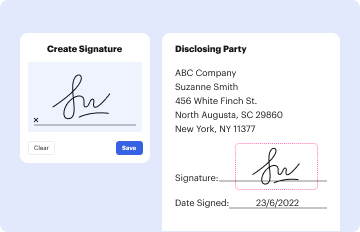
Draw your signature, type it, upload its image, or use your mobile device as a signature pad.
03. Share your form with others
Send it via email, link, or fax. You can also download it, export it or print it out.

How to use or fill out application grading zoning permit with our platform

Form edit decoration
9.5
Ease of Setup
DocHub User Ratings on G2
9.0
Ease of Use
DocHub User Ratings on G2
  1. Click ‘Get Form’ to open the application grading zoning permit in the editor.
  2. Begin by filling in your personal information. Enter the owner's name and applicant's name if different, along with their addresses and daytime phone numbers.
  3. Next, provide details about the property, including the tax key number, zoning district, and legal description. Specify the average lot width, depth, and total area.
  4. Indicate existing property use (residential, agricultural, etc.) and answer questions regarding floodplain status and sewer availability.
  5. Describe your proposed land disturbance project in detail. Include cubic yards of material to be added or removed and total area to be disturbed.
  6. Complete sections on fill placement and removal/excavation by detailing types of fill used, average depth, stockpiling plans, and erosion control methods.
  7. Attach required documents such as site plans, grading plans, erosion control plans, a timetable for completion, and a vegetation plan.
  8. Finally, ensure all signatures are obtained from both owner and applicant before submitting the form for processing.

Start using our platform today to easily complete your application grading zoning permit online for free!

See more application grading zoning permit versions

We've got more versions of the application grading zoning permit form. Select the right application grading zoning permit version from the list and start editing it straight away!
Versions Form popularity Fillable & printable
2013 4.8 Satisfied (160 Votes)
be ready to get more

Complete this form in 5 minutes or less

Get form

Got questions?

We have answers to the most popular questions from our customers. If you can't find an answer to your question, please contact us.
Contact us
Zoning refers to the rules and regulations that dictate how land can be used in a city. These rules ensure compatible land uses, protect property values, and support community goals. For example, zoning determines whether an area is designated for residential homes, businesses, or industrial facilities.
A zoning permit is a type of municipal permit that dictates how a specific parcel of land can be used. Local governments often implement a long-term strategy that dictates how they want land to be used for the betterment of their population.
1 General Permit Guidelines In general, any time you disturb 2500 square feet of soil or change the grade more than 24 inches (either taking away or adding), you must apply for a permit. The precise rules may vary based on your county or state, but this is a basic rule of thumb.
Fines are one of the most common penalties for constructing without a permit. Most local governments have a set schedule of fines based on the size and nature of the project. The fines can be substantial, escalating with the duration of non-compliance or the severity of the offense.
A Grading Permit provides formal permission to perform grading in accordance with the accepted documents (plans, specifications, calculations, etc.). The City provides grading plan check services as part of the grading permit process.

Security and compliance

At DocHub, your data security is our priority. We follow HIPAA, SOC2, GDPR, and other standards, so you can work on your documents with confidence.

Learn more
ccpa2
pci-dss
gdpr-compliance
hipaa
soc-compliance

People also ask

Zoning may specify a variety of outright and conditional uses of land. It may indicate the size and dimensions of lots that land may be subdivided into, or the form and scale of buildings. These guidelines are set in order to guide urban growth and development.

Related links