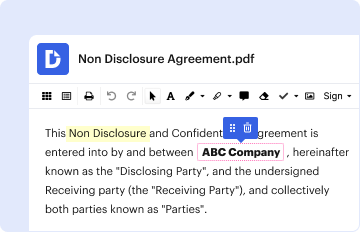
Type text, add images, blackout confidential details, add comments, highlights and more.
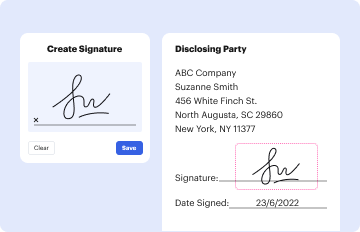
02. Sign it in a few clicks
Draw your signature, type it, upload its image, or use your mobile device as a signature pad.
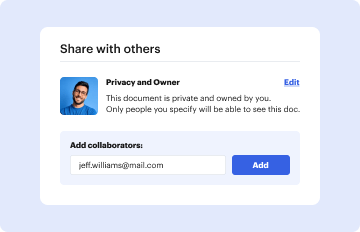
03. Share your form with others
Send it via email, link, or fax. You can also download it, export it or print it out.
How to use or fill out motion order with our platform
Ease of Setup
DocHub User Ratings on G2
Ease of Use
DocHub User Ratings on G2
Click ‘Get Form’ to open the motion order in the editor.
Begin by entering the Judicial District and Town where your case is filed. This information is crucial for proper identification of your case.
Fill in the Docket number if applicable, followed by the Plaintiff's and Defendant's names, ensuring accuracy in spelling and format.
Indicate the Return date if required, using the specified format (Month, day, year).
Select who should be notified by checking either 'Plaintiff' or 'Defendant'.
In section 1, check all applicable requests regarding divorce, custody, or other matters related to your case.
If notifying a party out of state, provide their address and select how you wish to serve them. If their address is unknown, detail your efforts to locate them.
Finally, sign the form as either an attorney or self-represented party. Include your address and contact information before submitting.
Start filling out your motion order today for free on our platform!
Motion to enforceWhen is a motion out of orderMotion to enforce court orderHow to move a motion in a meetingMotion carried or passedCan the chair make a motion in Roberts Rules of OrderMotion to Enforce formHow to file a motion with the court without an attorney
Security and compliance
At DocHub, your data security is our priority. We follow HIPAA, SOC2, GDPR, and other standards, so you can work on your documents with confidence.
Only one thing (motion) can be discussed at a time. A motion is the topic under discussion (e.g., I move that we add a coffee break to this meeting). After.Read more
Cookie consent notice
This site uses cookies to enhance site navigation and personalize your experience.
By using this site you agree to our use of cookies as described in our Privacy Notice.
You can modify your selections by visiting our Cookie and Advertising Notice.