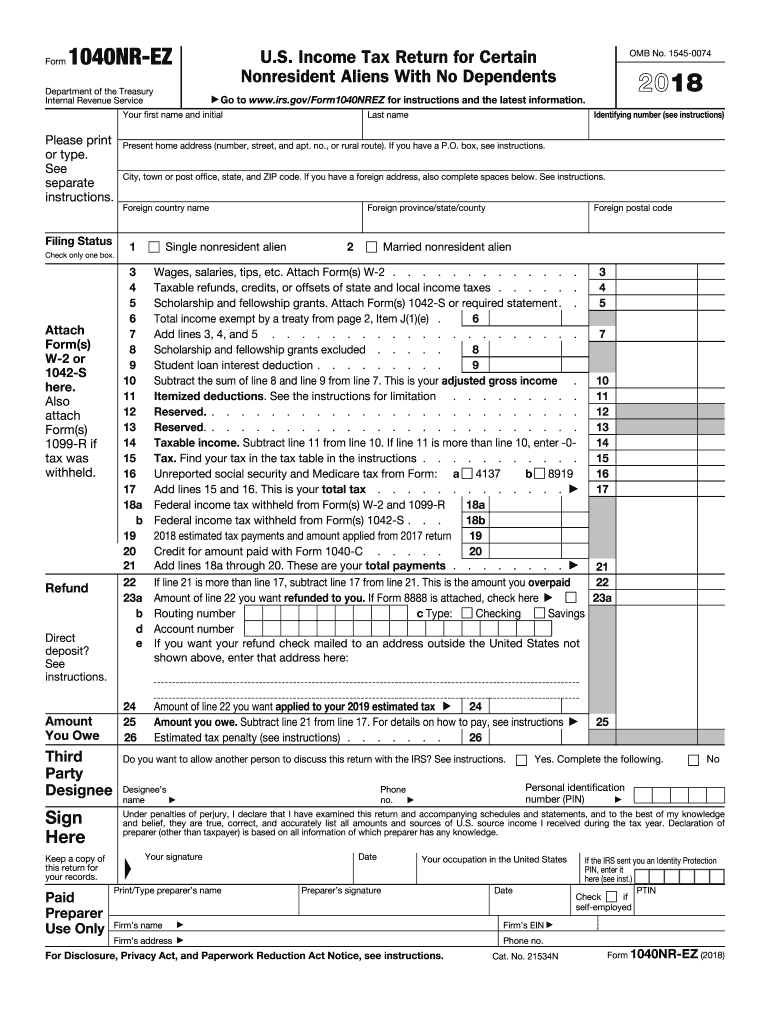







Definition and Meaning of the 1040-EZ Form 2017
The 1040-EZ form, utilized primarily in 2017, is a streamlined version of the IRS's standard income tax return designed for taxpayers with simple tax situations. It was primarily targeted at single and married individuals filing jointly who did not have dependents. The simplified structure was intended to make tax filing more accessible for individuals with straightforward financial circumstances. However, the 1040-EZ was retired after the 2017 tax year and is no longer in use as of subsequent years, having been replaced by the redesigned Form 1040.
How to Use the 1040-EZ Form 2017
Using the 1040-EZ form involves a straightforward process due to its minimal requirements:
- Personal Information: Fill in your personal details, including your Social Security Number and address.
- Filing Status: Select either single or married filing jointly; these were the only options available for the 1040-EZ.
- Income: Report your taxable income, including wages, salaries, and tips. The form accommodated taxpayers with an income not exceeding $100,000.
- Payments and Credits: Enter your federal income tax withholding from your W-2s and any earned income credits for which you might qualify.
- Tax Calculations: Use the IRS tax tables to calculate your tax liability.
- Refund or Amount Owed: Determine if you will receive a refund or if you owe additional tax to the IRS.
Obtaining the 1040-EZ Form 2017
During its operational period, the 1040-EZ form was accessible through several avenues:
- IRS Website: Taxpayers could download the form as a PDF from the official IRS website.
- Local Libraries and Post Offices: Print versions were often distributed in these locations during tax season.
- Tax Preparers: Many tax professionals and software platforms offered the form as part of their packages.
Steps to Complete the 1040-EZ Form 2017
To ensure accurate completion of the 1040-EZ form, follow these steps:
- Gather Required Documents: Collect your W-2 form(s), 1099 interest statements, and any other income documentation.
- Read Instructions Carefully: Each line of the form correlates with specific instructions that ensure correct entry.
- Double-Check Social Security Numbers: Mistakes in these numbers can lead to processing delays.
- Ensure Math Accuracy: Utilize the worksheet provided with the form to verify calculations.
- Review Submission Options: Decide whether to file electronically, which was often faster and reduced errors, or via mail.
Why You Might Have Used the 1040-EZ Form 2017
Taxpayers in 2017 opted for the 1040-EZ form if they:
- Needed a quick and simple filing method due to uncomplicated financial situations.
- Had no itemized deductions such as mortgage interest or medical expenses.
- Preferred to avoid the complexities of the standard 1040 form due to limited tax factors such as investment income or retirement account withdrawals.
Individuals Who Typically Used the 1040-EZ Form 2017
The 1040-EZ was specifically beneficial for:
- Younger Taxpayers: Individuals starting their careers with straightforward income sources.
- Retirees: Those without complex financial arrangements who solely relied on a pension or limited dividend income.
- Working Students: Individuals working part-time or in seasonal jobs.
Key Elements of the 1040-EZ Form 2017
There were several crucial components that defined the 1040-EZ form:
- Basic Information Field: Comprised Social Security numbers, names, and filing status.
- Income Section: Captured simple income types, restricted to wages, interest under $1,500, and unemployment compensation.
- Tax and Credits Section: Included calculation of tax using the tax table, without credits like foreign tax credit.
- Direct Deposit Options: Enabled taxpayers to receive refunds directly into their bank accounts.
IRS Guidelines for the 1040-EZ Form 2017
Adhering to IRS guidelines is vital for complete compliance:
- Eligibility Criteria: Ensure income did not exceed thresholds, and more comprehensive forms were unnecessary.
- Accuracy: All figures should be verified against official documents and recalculations confirmed.
- Deadline Compliance: Meet the April deadline for filing to avoid penalties.
Filing Deadlines and Important Dates
For the 2017 tax year, important dates included:
- Filing Deadline: Typically April 15, 2018.
- Extension Requests: April 15 for submission; filing extensions usually provided until October 15.
- Estimated Tax Payments: Quarterly deadlines for individuals with other non-wage income who needed to make estimated payments.
Required Documents for the 1040-EZ Form 2017
Efficient preparation relies on having the right documentation:
- W-2 Forms: For wage and salary information.
- Form 1099-INT: If interest income was earned.
- Form 1099-G: For unemployment compensation information if applicable.
Submission Methods for the 1040-EZ Form 2017
Taxpayers could file the form through:
- Electronic Filing: Utilized through IRS Free File or third-party software options.
- Mail: Paper submissions were accepted by sending the form to the IRS address based on your state of residence.