







Understanding the Request CCTV Footage Letter Template in the UK
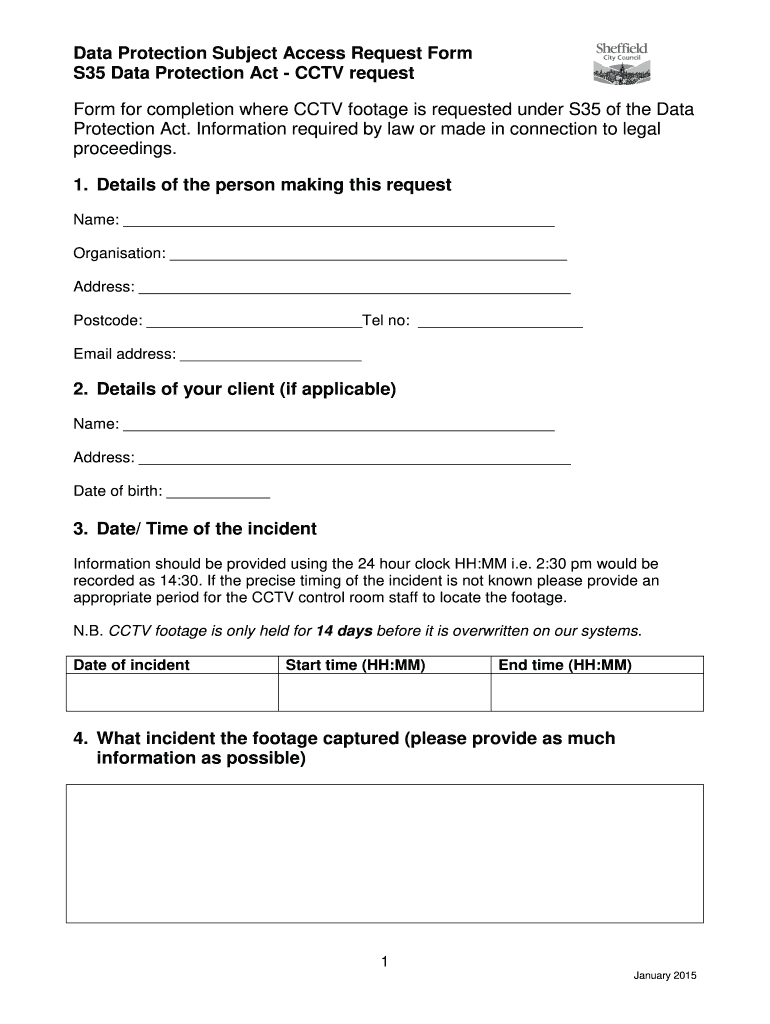
The request CCTV footage letter template in the UK is a formal document used to request access to video recordings captured by surveillance cameras. Under the United Kingdom Data Protection Act, individuals have the right to request access to their personal data, which can include CCTV footage. This type of request is often associated with incidents where a person believes that recorded footage may pertain to them or an event affecting them, such as an accident, theft, or any other criminal activity. Understanding the components and context of this template can aid individuals and businesses in effectively utilizing it.
Purpose of the Request CCTV Footage Letter Template
The primary purpose of the request CCTV footage letter template is to streamline the process of formally requesting access to surveillance footage from organizations or locations that use such systems. This letter ensures that all required information is submitted clearly and concisely, facilitating a prompt response. By following the template, the requester can outline their need for the footage based on a valid reason, providing necessary identifiers such as date, time, and location details relevant to the footage request.
Key Elements of the Request CCTV Footage Letter Template
A well-structured request CCTV footage letter should contain specific essential information to ensure clarity and compliance with the UK data protection laws. Important elements include:
- Personal Information: This includes the requester’s name, address, and contact details, which help verify their identity.
- Description of the Incident: A brief account of the event or context for the request is important, providing details such as date, time, and specific location of the incident.
- Justification for the Request: The requester should provide a rationale as to why the footage is relevant to them. This could be related to personal safety, legal matters, or other legitimate concerns.
- Signature and Date: The letter must be signed and dated by the requester to validate the request.
How to Use the Request CCTV Footage Letter Template
Using the request CCTV footage letter template effectively involves a few straightforward steps. The process ensures respectful communication and aligns with data protection regulations:
- Fill in Personal Information: Begin by entering your personal details accurately at the top of the letter.
- Describe the Incident: Clearly detail the event for which you are requesting footage. Include specifics to make your request more compelling.
- Articulate Your Rationale: Explain why accessing this footage is crucial to you, which can include aspects connected to safety, legal proof, or any relevant concerns.
- Review the Letter: Ensure all information is complete and that you have crafted a clear, concise request.
- Send the Letter: Deliver the letter via the appropriate channel, such as email, postal mail, or by hand, depending on the institution's preferred method for such requests.
Important Considerations for Submitting the Request
When submitting a request for CCTV footage, it is essential to consider the following factors:
- Timeliness: Submit your request as soon as possible after the incident to increase the likelihood of obtaining the footage before it is overwritten.
- Data Protection Fees: Be aware that some organizations may charge a fee for processing data access requests under the Data Protection Act.
- Response Times: Organizations have a legal obligation to respond to such requests promptly, typically within one month.
- Right to Appeal: If your request is denied, you have the right to understand the reasons for this and, if justified, can ask for an internal review or approach the Information Commissioner's Office.
Who Uses the Request CCTV Footage Letter Template
The request CCTV footage letter template is used across various demographics:
- Individuals seeking access to footage for personal reasons, such as accidents or incidents affecting their safety or well-being.
- Businesses needing footage to investigate incidents on their premises or verify claims made by customers or employees.
- Legal Representatives who may require access to footage to support a case or gather evidence related to legal proceedings.
By understanding these elements, requesters can efficiently use the request CCTV footage letter template, ensuring they effectively communicate their need for access to footage and protect their rights under the UK Data Protection Act.




