Definition & Purpose of the Gastroenterology Prescription Form
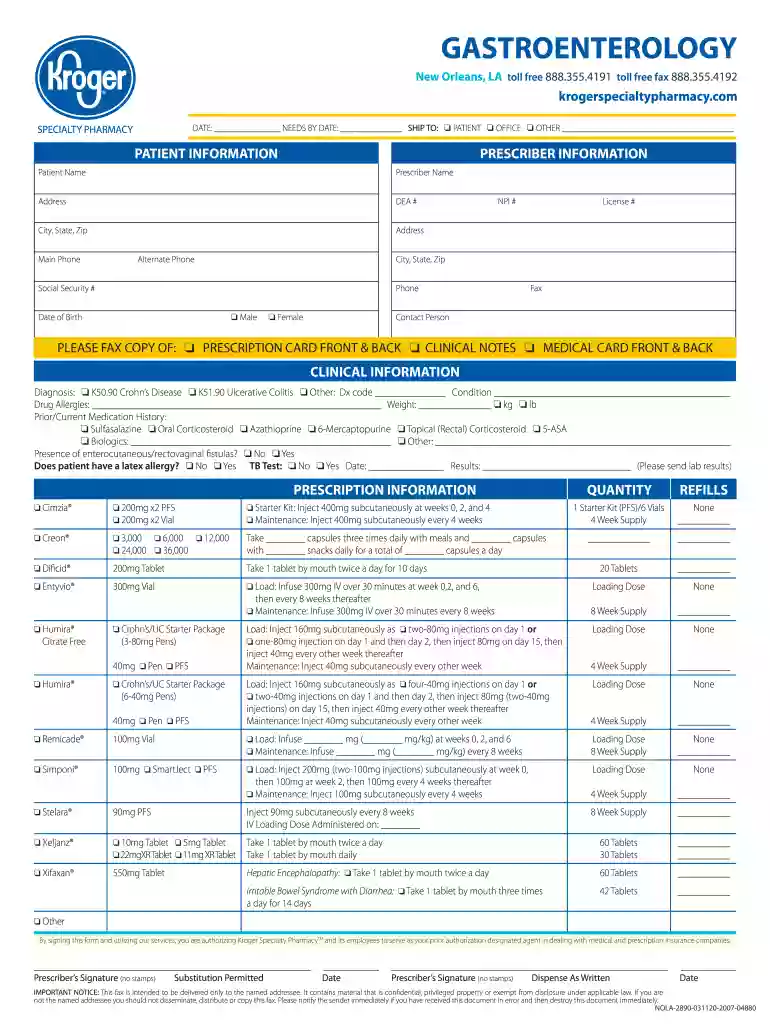
The Gastroenterology Prescription Form serves as a formal document that medical professionals in the field of gastroenterology use to prescribe medications or treatments to patients. This form is integral in ensuring that all relevant information, including patient details, specific prescriptions, dosages, and instructions, is accurately communicated between healthcare providers and patients. It provides a structured format to eliminate misunderstandings and ensure compliance with medical standards.
Components of the Form
- Patient Information: This section captures essential patient details, including full name, date of birth, and contact information. Accurate patient information is paramount to ensuring the prescription is filled correctly.
- Prescriber Details: Identifying information about the medical professional issuing the prescription. This can include name, title, contact information, and medical license number.
- Medication/Treatment Information: This lists the prescribed drugs or treatments, including specific dosage instructions, frequency, and duration. Additional notes might specify alternatives if certain treatments are unavailable.
Steps to Complete the Gastroenterology Prescription Form
Completing the Gastroenterology Prescription Form accurately is crucial for ensuring effective patient care. Here’s a step-by-step guide:
- Patient Details: Begin with the full name, contact information, and any relevant medical history pertinent to the prescription.
- Prescriber's Information: Include your medical license number, contact details, and, if applicable, your hospital or clinic’s information.
- Description of Medication: Specify the name of the medication, its dosage, and the form (e.g., tablet, liquid).
- Instructions for Use: Outline how the patient should take the medication, including timing and any dietary restrictions.
- Additional Notes: Provide any additional information that may affect the patient’s treatment, such as known allergies or interactions with other medications.
Important Terminology Related to Gastroenterology Prescription Form
Understanding specific terms associated with the Gastroenterology Prescription Form is essential for proper usage:
- Generic vs. Brand Name: Prescriptions can either specify a branded drug or a generic equivalent.
- Dosage: Refers to the amount of medication to be taken at each interval.
- Frequency: Indicates how often the medicine should be taken.
- Contraindications: Situations where a specific treatment should not be used due to potential harm.
Legal Considerations for the Gastroenterology Prescription Form
Using the Gastroenterology Prescription Form carries legal obligations to ensure patient safety and adherence to medical laws:
- Confidentiality: Patient information on the form must be protected under HIPAA regulations.
- Compliance: The prescriber must hold a valid medical license and adhere to state and federal prescription guidelines.
- Record-Keeping: It's crucial to maintain accurate records of all prescriptions issued for both patient safety and legal compliance.
Examples of Using the Gastroenterology Prescription Form
In practice, gastroenterologists use the prescription form in various scenarios:
- Chronic Conditions: For ongoing management of conditions like Crohn’s Disease or Ulcerative Colitis, prescriptions might involve long-term medication regimens.
- Acute Symptoms: Short-term prescriptions for managing acute symptoms, such as anti-nausea medication for patients undergoing specific treatments.
- Preventive Care: Prescribing supplements or treatments designed to prevent the progression of certain gastroenterological conditions.
Form Submission Methods
The submission of the Gastroenterology Prescription Form can occur through multiple methods to accommodate varying patient needs:
- Electronic Submissions: Many healthcare systems allow for electronic prescribing through secure healthcare networks, adding convenience and efficiency.
- Fax or Mail: While less common in modern practice, some clinics may still rely on fax or mail, especially when digital infrastructure is lacking.
- In-Person: Providing the patient or their representative with a hard copy during their visit can also ensure they have immediate access to their prescription.
Software Compatibility with the Gastroenterology Prescription Form
With advancements in healthcare IT, various software solutions can aid in managing the Gastroenterology Prescription Form:
- EHR Systems: Electronic Health Records (EHR) systems often have built-in modules for prescription forms, allowing for seamless integration into patients' health records.
- DocHub: As a versatile document management platform, DocHub allows users to create, edit, and share digital forms related to patient prescriptions securely and efficiently.
Digital vs. Paper Versions of the Form
Both digital and paper versions of the Gastroenterology Prescription Form have their own advantages:
- Digital Forms: Offer enhanced efficiency, ease of access, and security features such as encryption.
- Paper Forms: May be preferred in settings where electronic systems are less feasible, or when patients request a hard copy for their records.
These comprehensive details regarding the Gastroenterology Prescription Form highlight its significance, practical applications, and how essential it is for delivering quality healthcare within gastroenterology.