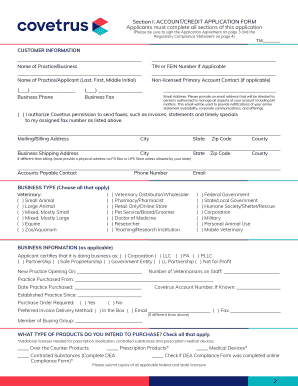
Children and Young People Right to Choose Referral Form 2026

Get Form
Children and Young People Right to Choose Referral Form Preview on Page 1

Here's how it works

01. Edit your form online
Type text, add images, blackout confidential details, add comments, highlights and more.

02. Sign it in a few clicks
Draw your signature, type it, upload its image, or use your mobile device as a signature pad.

03. Share your form with others
Send it via email, link, or fax. You can also download it, export it or print it out.

Definition and Purpose of the Children and Young People Right to Choose Referral Form

The Children and Young People Right to Choose Referral Form is a document used to facilitate the referral process for young individuals who require specialized services or interventions. It captures vital information about the child or young person, ensuring that their needs are accurately assessed and addressed in a timely manner.

  • Key Objective: To ensure appropriate care and intervention by connecting children and young people with suitable service providers.
  • Primary Users: Typically completed by general practitioners (GPs), school counselors, or social workers involved in the child's care.

How to Use the Children and Young People Right to Choose Referral Form

To effectively utilize this form, follow these detailed steps:

  1. Identify the Need for Referral: Determine if the child or young person requires additional services beyond what is currently available to them.
  2. Gather Necessary Information: Collect all relevant details about the child’s background, current situation, and specific needs.
  3. Complete the Form: Fill in each section comprehensively, ensuring no crucial information is omitted. This might include personal details, medical history, and specific areas of concern.
  4. Submit the Referral: Send the completed form to the appropriate agency or service provider for evaluation and further action.

How to Obtain the Children and Young People Right to Choose Referral Form

The form is accessible through various channels:

  • Healthcare Facilities: Available within clinics and hospitals where health professionals can provide it to guardians or relevant parties.
  • Educational Institutions: School counselors often have access to these forms for educational referrals.
  • Government Websites: Some state or federal health department websites offer downloadable versions of the form.

Steps to Complete the Children and Young People Right to Choose Referral Form

Completing the form involves a systematic approach to ensure accuracy:

  1. Personal Information Section: Include the child’s name, date of birth, and contact details.
  2. Referral Details: Specify the reasons for the referral, including any concerns and observations.
  3. Medical Information: Present any medical diagnoses or ongoing treatments that might impact the referral.
  4. Signature and Date: Ensure the form is signed by the referring professional, and note the date of completion.

Key Elements of the Children and Young People Right to Choose Referral Form

Understanding the critical components of the form enhances its effective use:

  • Personal and Contact Information: Ensures that personal identifiers and contact points are clearly outlined.
  • Reason for Referral: A detailed explanation highlighting concerns and desired outcomes.
  • Supporting Documentation: Includes any relevant medical records or educational reports.

Legal Use of the Children and Young People Right to Choose Referral Form

The form's usage is governed by legal standards to protect the privacy and rights of young individuals:

  • Confidentiality: Information on the form must be handled according to privacy laws and shared only with authorized parties.
  • Consent: Obtaining parental or guardian consent is crucial before processing the referral.

Required Documents for the Children and Young People Right to Choose Referral Form

Before completing the form, gather these supporting documents:

  • Medical History Records: Provide a detailed account of the child’s medical background.
  • Educational Evaluations: Include assessments or reports if the referral involves educational support services.

Examples of Using the Children and Young People Right to Choose Referral Form

Real-world scenarios illustrate the form’s application:

  • Case Study 1: A child struggling academically is referred to an educational psychologist using the form.
  • Case Study 2: A young person displaying behavioral changes is referred to mental health services for further examination.

This comprehensive coverage aims to guide individuals and professionals in effectively managing the referral process using the Children and Young People Right to Choose Referral Form. By understanding its components and processes, stakeholders can ensure that children and young people receive the right services at the right time.

be ready to get more

Complete this form in 5 minutes or less

Get form

Got questions?

We have answers to the most popular questions from our customers. If you can't find an answer to your question, please contact us.
Contact us
How can I/my child be referred under Right to Choose? If your GP agrees that you or your child would benefit from a neurodevelopmental assessment, you have the legal right to request a referral to the provider of your choice.
The referrer will be asked to provide the following information: Details about the individual making the referral. Details of the children, parents and or other DocHub adults. The reason / nature of the concerns raised. Any identified risk factors. Any risk assessment tools that have been used. The family background.
Referrals for a diagnostic assessment for autism are usually made by a GP or another health care professional working within the NHS, although in some cases education professionals may make the referral. Self-referral is offered by some, but very few, autism diagnostic services in the UK.
This questionnaire covers different experiences related to attention (such as difficulty completing tasks or staying organized) and hyperactivity/impulsivity (such as feeling restless or having trouble waiting your turn). Your answers will help identify any areas that may need professional attention.
NHS Right to Choose ( RTC ) Framework: This lets people choose an independent provider through the NHS, from another part of England. Only a GP can make this type of referral schools cannot do it.

Security and compliance

At DocHub, your data security is our priority. We follow HIPAA, SOC2, GDPR, and other standards, so you can work on your documents with confidence.

Learn more
ccpa2
pci-dss
gdpr-compliance
hipaa
soc-compliance
be ready to get more

Complete this form in 5 minutes or less

Get form

People also ask

What is Right to Choose? In England, under the NHS, you now have a legal right to choose your mental healthcare provider, including for Autism Spectrum Disorder (ASD) and Attention Deficit Hyperactivity Disorder (ADHD) assessments. This service, offered through the NHS, is free of charge.Jan 24, 2025
Current estimated NHS (Right to Choose) Waiting Times RTC Service TypeWaiting Time Adult ADHD Initial Assessment (from GP initial referral) 32 - 40 weeks (8 - 10 months) Adult Autism Assessment (from GP initial referral) 20 - 24 weeks (5 - 6 months) Feb 9, 2026

Related links