Definition and Meaning
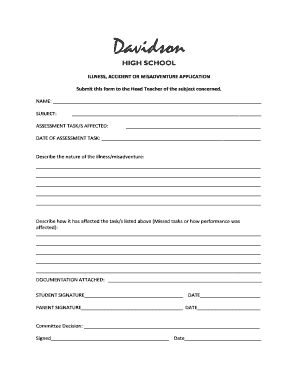
A "State Required School Bus Seating Chart" is a document mandated by certain state education authorities or school districts to ensure the organized seating of students on a school bus. This chart typically contains detailed information such as bus number, driver details, and student names, often categorized by age or grade. The purpose is to maintain order, safety, and efficiency during transportation. It may also include emergency contact information and specific instructions for managing various transportation-related situations.
Key Elements of the State Required School Bus Seating Chart
The seating chart includes several critical components to ensure its effectiveness:
- Bus Number and Route Details: Clearly indicates the bus associated with the chart to prevent confusion and mix-ups.
- Driver Information: Lists the name, contact details, and occasionally the credentials of the bus driver, ensuring quick communication if necessary.
- Student Layout and Seating Arrangement: A visual or tabular representation showing where each student is seated, often organized by age or grade to maintain safety protocols.
- Emergency Contacts: Provides contact numbers for transportation personnel or other school authorities to swiftly handle any unexpected incidents.
These elements collectively help manage student safety and streamline bus operations.
Steps to Complete the State Required School Bus Seating Chart
- Gather Necessary Information: Collect all relevant details, including the bus number, driver's name, and student roster.
- Create the Layout: Utilize the seating chart template to arrange students. Consider age, special needs, or specific school policies when assigning seats.
- Include Emergency Details: Add any emergency contact numbers or instructions as required by the district or school.
- Review for Accuracy: Double-check all entries for correctness to avoid any confusion during bus operations.
- Share with Relevant Parties: Distribute copies of the completed chart to bus drivers, school administrators, and relevant district offices.
Completing these steps ensures the chart is comprehensive and functional.
Why Use the State Required School Bus Seating Chart
Utilizing a state-mandated seating chart offers numerous benefits:
- Enhanced Safety: Prioritizes student safety by ensuring everyone knows their designated seat, reducing distracting behavior.
- Efficiency in Emergency Situations: Quickly identifying students in the event of an emergency becomes straightforward with an organized seating chart.
- Ease of Management for Drivers: Facilitates better student management and minimizes disruptions, allowing the driver to focus on safe driving.
- Compliance with Regulations: Adhering to state or district mandates helps avoid potential penalties or regulatory issues.
State-Specific Rules for the State Required School Bus Seating Chart
Different states or school districts may have unique regulations concerning the seating chart:
- Age Groupings: Some states may require special seating arrangements for younger students or those with special needs.
- Documentation Requirements: Varying levels of detail may be required in the seating chart, such as specific emergency procedures listed clearly.
- Regular Updates: Certain regions might mandate regular reviews and updates to accommodate new students or changes in the transportation system.
Understanding these state-specific rules helps ensure the chart aligns with all relevant guidelines.
Legal Use of the State Required School Bus Seating Chart
The seating chart's legal applications are grounded in compliance and safety:
- Compliance with Transportation Laws: Ensures adherence to state or district regulations concerning student transportation.
- Documentation for Incident Reports: Serves as a legal document in case of incidents, providing an accurate student seating record.
- Data Privacy Considerations: Must handle all student information per privacy laws, often necessitating secure storage and sharing practices.
Following legal guidelines ensures the proper use and maintenance of the seating chart.
Examples of Using the State Required School Bus Seating Chart
Consider the following scenarios where the seating chart is effectively employed:
- Emergency Evacuation: During an evacuation drill, the seating chart enables quick identification of student locations, ensuring everyone boards off safely and orderly.
- Field Trips: For outings involving multiple buses, the chart aids in verifying student attendance at each step, minimizing the chance of a student being left behind.
- Daily Operations: Assists drivers and school staff in monitoring student behavior, providing a reference for seating assignments and disciplinary actions if required.
These examples illustrate the chart's practical value in daily school transportation activities.
Important Terms Related to the State Required School Bus Seating Chart
- Bus Attendance Lists: Documentation reflecting student presence corresponding to the seating chart.
- Emergency Procedure Plans: Guidelines and actions outlined within the chart to handle unforeseen events.
- Transportation Coordinator: The individual responsible for overseeing school bus schedules and seating arrangements.
Understanding these terms can enhance communication and functionality related to the seating chart's use.