Definition and Meaning of an Insulation Certificate
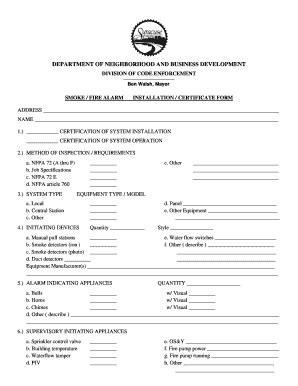
An Insulation Certificate serves as an official document that verifies the details of insulation installed in a residential or commercial property. Typically used within the framework of weatherization programs, this certificate assures that the insulation meets the required energy efficiency standards. The document outlines specifics such as the types of insulation used, areas insulated such as attic, walls, or flooring, and the thermal resistance values, commonly referred to as R-values, achieved post-installation. This substantiation is crucial for contractors and homeowners alike to demonstrate compliance and to apply for certain energy efficiency tax credits or rebates.
Key Elements of the Insulation Certificate
The Insulation Certificate should encompass several essential details to be deemed complete and informative:
- Insulation Type: Includes the materials used, such as fiberglass, cellulose, or spray foam.
- Installed Areas: Identifies which parts of the building, like the attic or exterior walls, were insulated.
- R-Value: Provides the thermal resistance measurement, crucial for understanding the effectiveness of the insulation in reducing heat flow.
- Contractor Compliance: Contains statements that the installation complies with local building codes and energy efficiency standards.
- Installation Date: Marks when the insulation was installed, necessary for warranty and rebate eligibility.
How to Use the Insulation Certificate
The Insulation Certificate can be utilized for various purposes, making it an essential tool in both the construction and home improvement industries. Homeowners often require this certificate to qualify for energy efficiency incentives offered by local, state, or federal government programs. Contractors use this documentation to validate their work, ensuring that their installations meet the required standards and specifications. The certificate can also serve as a part of the documentation needed during property sales, where potential buyers seek proof of the home's energy-efficient upgrades.
Importance for Homeowners and Contractors
- For homeowners: Provides proof of energy-saving measures for rebate claims and enhances property value through documented improvements.
- For contractors: Acts as a compliance document to demonstrate adherence to energy efficiency guidelines and standards.
Steps to Complete the Insulation Certificate
The process for completing an Insulation Certificate involves several specific steps that ensure both accuracy and compliance with relevant standards:
- Inspection: Conduct a thorough inspection of the installation site to confirm the details of the insulation work done.
- Detail Entry: Fill in specifics such as type, thickness, and coverage area of the insulation.
- R-Value Calculation: Record thermal resistance values as per material specifications.
- Certification: Provide contractor details and certify that the installation meets the required standards.
- Documentation: Attach any necessary diagrams or pictures that illustrate the completed work.
Best Practices
- Accuracy: Ensure all measurements and values are precise to avoid discrepancies.
- Compliance: Confirm adherence to local building codes and manufacturer instructions.
Legal Use of the Insulation Certificate
Legally, the Insulation Certificate serves as evidence of compliance with energy conservation standards, which can be essential in meeting federal or state requirements for energy efficiency programs. The presence of this certificate can also support legal claims or defenses related to contractor performance or disputes over building compliance.
Compliance and Legal Safeguards
- Regulatory Requirements: Ensure that installations meet compliance frameworks established by agencies such as the Environmental Protection Agency (EPA) or local building authorities.
- Consumer Protection: Provides a legal safeguard for homeowners, validating claims of energy efficiency improvements.
Obtaining the Insulation Certificate
To obtain an Insulation Certificate, homeowners typically engage certified insulation contractors who are knowledgeable about local and national energy compliance codes. The process often includes a post-installation inspection to verify compliance with the stated standards, after which the certificate is issued.
Choosing a Certified Contractor
- Qualifications: Select a contractor with relevant certifications and experience in energy efficiency installations.
- Reputation: Opt for contractors with positive reviews and a history of compliance with energy standards.
State-Specific Rules for the Insulation Certificate
While there is a general framework governing the issuance and use of Insulation Certificates, each state in the U.S. may have specific rules or requirements regarding insulation standards and documentation. These variations can impact factors such as the necessary R-value, types of insulation permitted, and documentation needed for energy efficiency rebates.
Notable State Variations
- California: Requires compliance with Title 24 energy standards, including specific documentation for thermal performance.
- New York: May have additional regulations under the New York State Energy Research and Development Authority (NYSERDA) for energy efficiency programs.
Importance of the Insulation Certificate for Energy Efficiency
The Insulation Certificate plays a pivotal role in enhancing a building's energy efficiency. It helps in validating energy savings, thereby elevating a property's overall environmental footprint. This certificate not only contributes to financial savings through reduced energy costs but also aligns with the increasing emphasis on sustainable and eco-friendly building practices.
Benefits for the Environment and Home Value
- Energy Savings: Helps reduce heating and cooling costs by improving thermal efficiency.
- Increased Property Value: Energy-efficient homes are attractive in the real estate market, often leading to higher appraisal values.