



01. Edit your form online
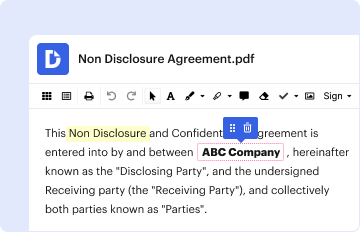
Type text, add images, blackout confidential details, add comments, highlights and more.

Type text, add images, blackout confidential details, add comments, highlights and more.
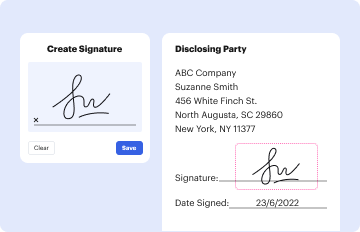
Draw your signature, type it, upload its image, or use your mobile device as a signature pad.
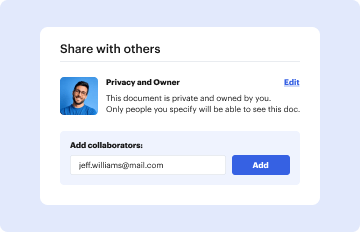
Send it via email, link, or fax. You can also download it, export it or print it out.
The Domestic Violence Restraining Order No Custody - Applicant Packet is a collection of forms and documents used to apply for a restraining order in situations involving domestic violence. This specific packet is used when the applicant does not seek custody arrangements of minors, focusing solely on the restraining order itself. It is typically utilized in cases where an individual seeks protection from an abuser or potential abuser without implicating child custody issues.
To effectively use this packet, individuals must carefully complete each form included, ensuring all requested information is accurate and thorough. This process involves gathering personal and incident-specific details to present a compelling request to the court.
Completing the DVRO No Custody Applicant Packet requires attention to detail and a structured approach to ensure all necessary information is provided.
Understanding key terms can help streamline the process of completing the DVRO No Custody Applicant Packet.
Legal considerations are paramount in the application and use of the DVRO No Custody Applicant Packet, ensuring compliance with state laws.
State laws and regulations may influence how the DVRO No Custody Applicant Packet is executed and adjudicated.
Accurately identifying and submitting required documents is crucial for the successful filing of a DVRO No Custody application.
Applicants have various methods to submit the DVRO No Custody Applicant Packet, offering flexibility based on individual circumstances.
At DocHub, your data security is our priority. We follow HIPAA, SOC2, GDPR, and other standards, so you can work on your documents with confidence.



All California courts use the same basic set of forms for domestic violence restraining orders (DVRO). You can find the most commonly-used forms on this page.
The document is divided into ten Parts, and within seven of these Parts there are several sub-headings (Parts and sub-headings are listed in the Table of
Nov 22, 2019 PROTECTION AGAINST DOMESTIC VIOLENCE. 5. Person entitled to apply for a protection order. 6. Power of Court to issue interim protection


