




01. Edit your form online
Type text, add images, blackout confidential details, add comments, highlights and more.

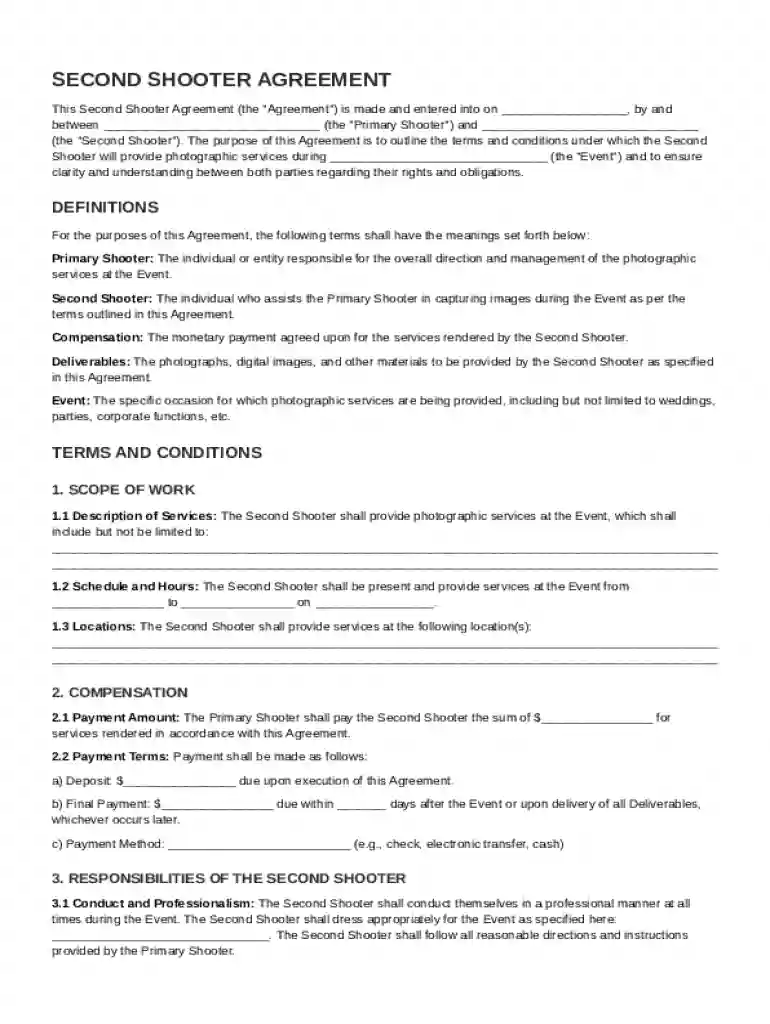
Type text, add images, blackout confidential details, add comments, highlights and more.

Draw your signature, type it, upload its image, or use your mobile device as a signature pad.

Send it via email, link, or fax. You can also download it, export it or print it out.
The Second Shooter Contract Template serves as a legally binding document between a primary photographer and a second shooter. This agreement is crucial in defining the roles and responsibilities of both parties during an event. It addresses essential elements such as terms and conditions for services, compensation structure, rights, and obligations of the second shooter, and deliverables, ensuring clarity and mutual understanding. By clearly stating these aspects, it helps in preventing potential disputes and ensures smooth collaboration. It is especially important in the photography business where the roles can often overlap, and clear distinctions are needed to maintain professional integrity.
The contract includes specific sections that outline various aspects crucial for professional engagements. Major components include:
Utilizing the Second Shooter Contract Template involves a series of straightforward steps to customize the document according to specific needs. Here’s how you can effectively use it:
Choosing between a digital and paper version of the contract can depend on several factors:
Ensuring legal compliance with the Second Shooter Contract Template means aligning it with U.S. laws regarding contracts and digital signatures. The following legal aspects must be considered:
The template must incorporate provisions aligned with the Electronic Signatures in Global and National Commerce (ESIGN) Act, thus ensuring its enforceability. Legally binding agreements include:
Each state may have unique laws regarding contract enforceability and digital signatures:
Understanding the terminology used within the Second Shooter Contract Template is imperative for both parties. Common terms include:
Several business entities within the photography industry can benefit significantly from using this specialized contract:
Case Study:
A freelance wedding photographer in California collaborates with a second shooter for a large wedding event. By using the contract to predefine the copyright ownership, the primary photographer successfully prevents disputes regarding the ownership of the images.
Real-World Scenario:
An event management company hires multiple photographers for a corporate event. Utilizing the template ensured that all second shooters were aware of their designated tasks, resulting in a smooth workflow and comprehensive event coverage.
At DocHub, your data security is our priority. We follow HIPAA, SOC2, GDPR, and other standards, so you can work on your documents with confidence.
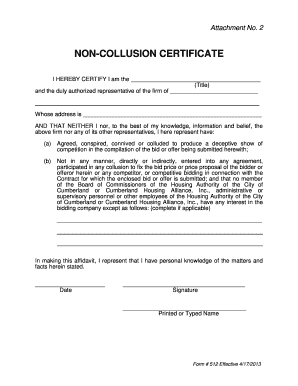


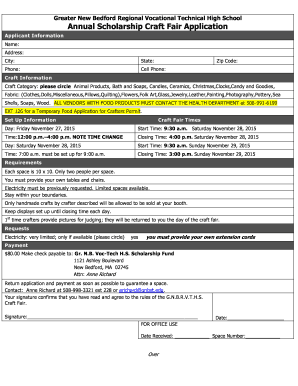
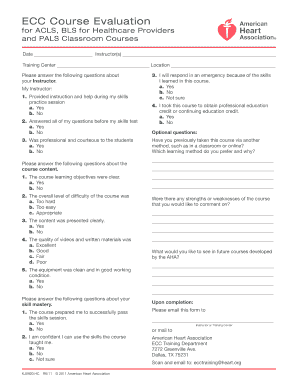

OPTIONAL USE CONTRACT: This contract is an optional use, requirements based contract. VCU is in no way required to make purchases from the Contractor and
This Active Shooter Response Plan Template is designed to be a supplement to the (Insert name of organization or facility) Emergency Plan (EP). The template.
FOREWORD. The concept of Best Available Techniques (BAT) plays a very important role in the assessment of the requirement level of environmental protection


