




Definition and Purpose of the IT Service Contract Template
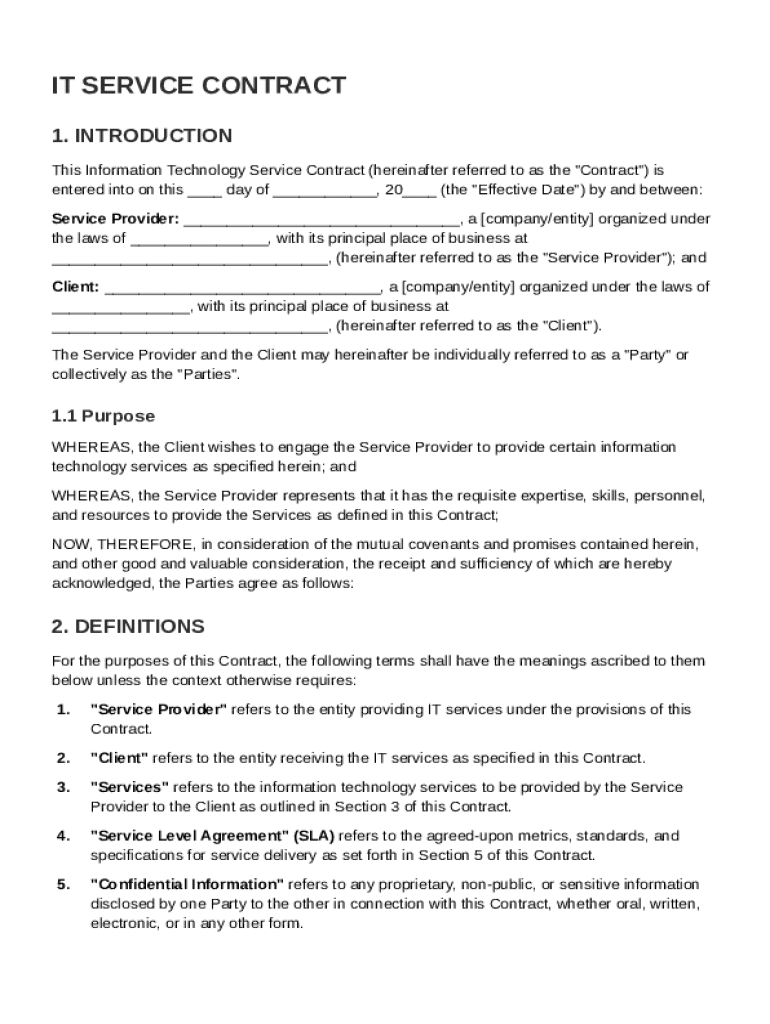
The IT Service Contract Template is a structured document used to outline the terms and conditions between a service provider and a client for the provision of IT services. This document serves as a legally binding agreement that clarifies each party's roles and responsibilities, thereby minimizing misunderstandings and disputes. Typically, it includes critical sections such as service scope, compensation, and confidentiality terms. By specifying these elements, the template helps protect the interests of both the service provider and the client, ensuring that IT services are delivered effectively and as agreed upon.
How to Use the IT Service Contract Template
Utilizing the IT Service Contract Template begins with downloading the appropriate version that fits your specific needs. Users can customize sections such as the scope of work, payment terms, and service-level agreements to suit the particulars of the engagement. It is crucial to thoroughly review each section to ensure that it aligns with the agreed-upon terms. After customization, both parties should carefully read the document before providing signatures to affirm their agreement. This ensures mutual understanding and formalizes the commitment to the outlined terms.
Steps to Complete the IT Service Contract Template
-
Identify the Parties Involved: Start by clearly defining the legal names and contact information of both the service provider and the client. This establishes who is bound by the contract.
-
Specify the Scope of Services: Detail the specific IT services that are to be provided. This could include, but is not limited to, technical support, network management, and software development.
-
Outline Payment Terms: Clearly outline the payment schedule, including the method of payment, frequency, and conditions for any payment adjustments.
-
Set Service Level Agreements (SLAs): Define the performance metrics and expectations for the service provider, such as response times and issue resolution timeframes.
-
Include Confidentiality Clauses: Highlight how sensitive information will be protected and the consequences of a breach.
-
Agree on Termination Conditions: Specify the conditions under which the contract can be terminated by either party, including notice periods and potential penalties.
-
Review and Sign: Ensure both parties review the completed document thoroughly before signing. Signatures indicate legal acceptance and commitment to the contract terms.
Key Elements of the IT Service Contract Template
- Scope of Services: Clearly defines the services being provided and any limitations.
- Compensation Details: Outlines how and when payments will be made, including any contingencies.
- Confidentiality and Data Protection: Specifies the protocols for handling sensitive information.
- Termination Clauses: Details the conditions for contract termination and any associated responsibilities.
- Dispute Resolution: Explains the process for resolving conflicts, whether through mediation, arbitration, or legal proceedings.
Who Typically Uses the IT Service Contract Template
The IT Service Contract Template is commonly utilized by IT service providers, consulting firms, and businesses seeking to engage IT services. This includes small to medium-sized enterprises looking for technical support, software development, and IT infrastructure management. Legal advisors and HR departments within organizations may also use the template to draft agreements in compliance with company policies and regional laws.

Legal Considerations for the IT Service Contract Template
Ensuring legal compliance is vital when using the IT Service Contract Template. It must adhere to applicable federal and state laws to be enforceable. Legal considerations should include adherence to consumer protection laws, privacy regulations, and data security standards. Consulting with a legal professional to review the contract before finalizing it can prevent potential legal disputes and ensure that both parties are fully protected.
State-Specific Rules for the IT Service Contract Template
Different states within the U.S. may have specific regulations that affect the terms of IT service contracts. For instance, data protection requirements can vary significantly from one state to another. Therefore, it's important to tailor the contract by integrating any state-specific legal requirements, especially those pertaining to privacy and data security. Ensuring compliance with these rules contributes to the contract's enforceability.
Digital vs. Paper Version of the IT Service Contract Template
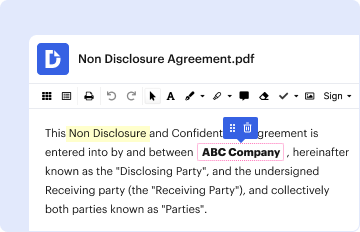
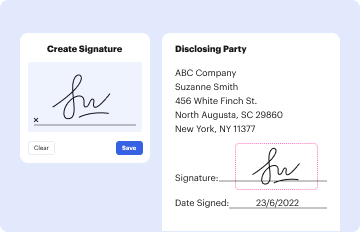
The IT Service Contract Template is available in both digital and paper formats. The digital version offers flexibility and ease of modification, allowing real-time collaboration through platforms like DocHub. It supports electronic signatures, which are legally binding under the ESIGN Act in the U.S. The paper version may be preferred in traditional settings or when digital access is limited. However, digital formats provide enhanced security features, such as encryption and audit trails, ensuring document integrity and authenticity.