




Definition & Meaning of the Act Contract Template
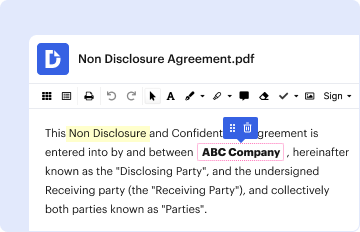
The Act Contract Template serves as a customizable framework for formalizing agreements between parties, detailing the obligations, rights, and responsibilities involved in a service provision. It typically encompasses sections such as definitions, scope of work, payment terms, confidentiality, liability, dispute resolution, and termination. This structured document is pivotal for establishing clear communication and expectations between parties, reducing ambiguities and misunderstandings in legal agreements.
Examples of Sections Included
- Definitions: Clarifies specific terms used within the contract to ensure mutual understanding.
- Scope of Work: Details the services to be performed, setting boundaries and expectations.
- Payment Terms: Specifies the financial agreements, including amounts, schedules, and payment methods.
- Confidentiality: Protects sensitive information and outlines the responsibilities regarding data privacy.
Practical Example
Consider two businesses entering a partnership where one supplies marketing services to the other. The Act Contract Template would outline the services (e.g., social media campaigns) under the scope of work, while the payment terms would specify the billing cycle and amounts.
Steps to Complete the Act Contract Template
Completing an Act Contract Template requires careful attention to detail to ensure all relevant information is accurately captured and the agreement meets both parties' needs. The following steps provide a thorough guide:
- Gather Information: Collect all necessary information about the parties involved, including names, addresses, and contact information.
- Define the Scope: Clearly outline the services or products to be exchanged, including quality standards and performance metrics.
- Set Payment Terms: Agree on payment amounts, due dates, and methods, ensuring both parties are comfortable with the terms.
- Include Legal Terms: Incorporate clauses on confidentiality, liability, and dispute resolution to protect both parties' interests.
- Review and Revise: Both parties should review the contract to confirm that all details are correct and make revisions as necessary.
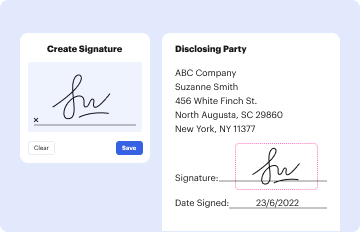
- Sign the Agreement: Finalize the contract with signatures from authorized representatives of both parties.
Detailed Example
For instance, if the contract involves IT consulting services, defining the scope would involve specifying the types of services, such as software installation or network management, ensuring clarity in deliverables.
Legal Use of the Act Contract Template
The Act Contract Template is legally permissible and provides a structured approach to documenting agreements. Adhering to the ESIGN Act, electronic signatures captured through platforms like DocHub are recognized as legally binding, streamlining contract execution.
Key Legal Components
- Compliance with ESIGN Act: Ensures electronic signatures have the same legal standing as handwritten ones.
- Confidentiality Clauses: Establishes legal obligations to protect proprietary information, supporting compliance with privacy regulations.
- Liability Limitations: Defines the extent of responsibility each party holds, safeguarding against unforeseen liabilities.
Key Elements of the Act Contract Template
The Act Contract Template comprises essential elements that provide a comprehensive framework for contractual agreements. These components are pivotal for ensuring the document is thorough and legally sound.
- Parties Involved: Clearly identifies all parties, creating accountability.
- Objective and Scope: Defines the purpose and limits of the agreement to prevent scope creep.
- Payment and Compensation: Details the financial aspects, providing transparency and avoiding disputes.
- Termination Conditions: Outlines circumstances under which the agreement can be dissolved, protecting parties' rights.
Illustration with a Business Case
In a contract for software development services, the scope would specify deliverables like applications or systems, while termination conditions might include failure to meet milestones.
Software Compatibility for Act Contract Template
The Act Contract Template's compatibility with various software platforms facilitates its ease of use, making it versatile across different business environments. Platforms like DocHub offer robust integration with cloud storage solutions for enhanced document management.
Supported Platforms
- DocHub: Allows for seamless import and export of documents, enhancing productivity.
- Google Workspace: Direct integration enables easy access to Google Drive files.
- Dropbox and OneDrive: Facilitates the use of stored templates, ensuring efficiency in document processing.
Practical Scenario
For firms utilizing Google Workspace, the Act Contract Template can be directly edited in DocHub and saved back to Google Drive, eliminating the cumbersome process of multiple downloads and uploads.
Who Typically Uses the Act Contract Template
The Act Contract Template is employed across various sectors by individuals and organizations looking to formalize service agreements. Its structured format and comprehensive coverage make it suitable for diverse applications.
- Small Businesses: Benefit from clear documentation of service terms with contractors or clients.
- Consultants: Use it to define project scopes and expectations, ensuring professional accountability.
- Corporations: Utilize it for formal agreements with vendors and service providers to standardize practices.

Real-World Application
A freelance graphic designer might use the Act Contract Template to formalize an agreement with a client for branding services, detailing deliverables like logos or marketing materials.
Important Terms Related to the Act Contract Template
Understanding the key terms associated with the Act Contract Template is crucial for effectively utilizing the document. These terms are pivotal in ensuring clarity and legal soundness in contractual agreements.
Common Terms
- Indemnity: A provision where one party agrees to compensate the other for certain damages or losses.
- Non-Disclosure Agreement (NDA): A clause that prevents parties from sharing confidential information with third parties.
- Force Majeure: A clause that frees both parties from liability or obligation when an extraordinary event or circumstance occurs.
Practical Context
In a scenario where a natural disaster affects service delivery, the force majeure clause in an Act Contract Template would be invoked to excuse both parties from the contractual obligations without penalty.