



Definition and Meaning of the Student Placement Contract Template
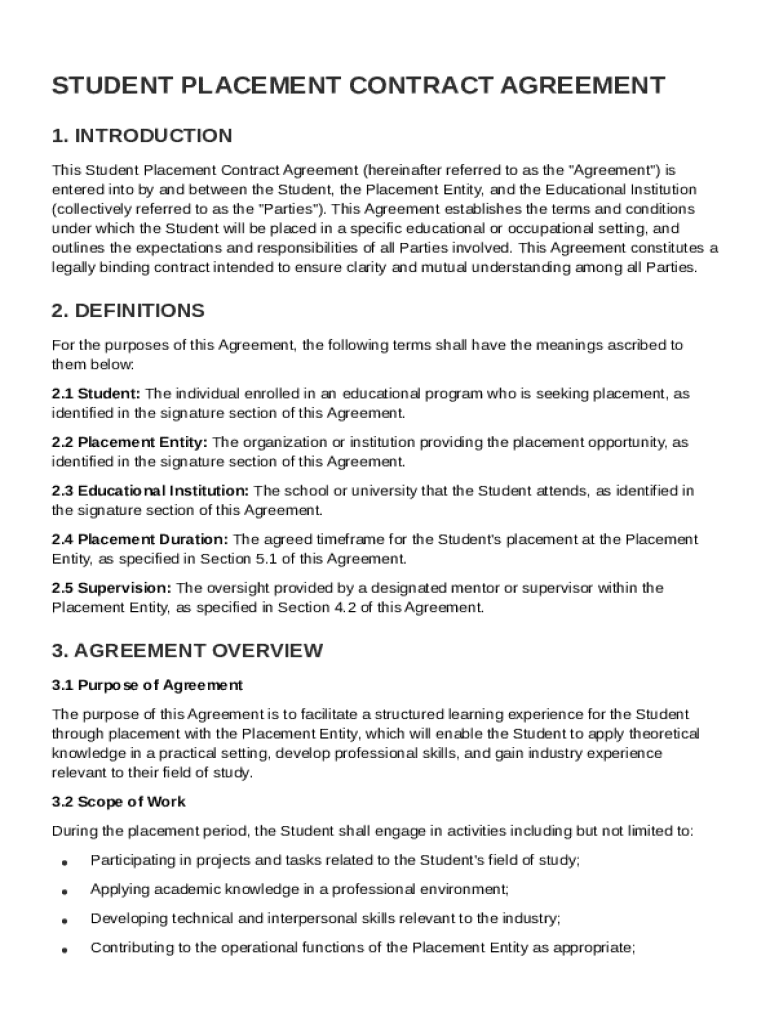
The Student Placement Contract Template is a structured document that outlines the terms and conditions for a student's placement within an educational or occupational setting. Its primary goal is to create a clear framework that defines the responsibilities of all parties involved—the student, the placement entity, and the educational institution. At its core, the template aims to ensure a structured and beneficial learning experience, enabling all parties to understand their roles and obligations.
A comprehensive Student Placement Contract typically includes several key areas, each addressing a vital aspect of the placement. These areas include definitions of terms used within the document, detailed responsibilities for each party, and specific placement details such as start and end dates, location, and expected outcomes. Additionally, it contains sections on compensation, if applicable, methods for performance evaluation, confidentiality clauses, termination conditions, dispute resolution procedures, and general provisions.
Understanding this template's definition and purpose is essential for ensuring all parties have mutual understanding and alignment on the placement objectives and expectations.
Key Elements of the Student Placement Contract Template
A well-constructed Student Placement Contract Template comprises various elements that are crucial for establishing a robust agreement. Here are the key elements typically included:
-
Definitions: Clear explanation of terms used throughout the contract to ensure all parties have a mutual understanding.
-
Responsibilities: Detailed breakdown of the duties and obligations of the student, the placement provider, and the educational institution. This section ensures each party is aware of their specific roles during the placement period.
-
Placement Details: Information on the scope, duration, and objectives of the placement. It covers start and end dates, working hours, and location, providing a clear picture of what the placement will entail.
-
Compensation: Terms related to any financial or non-financial compensation, if applicable. It defines how and when compensation will be provided, ensuring transparency and clarity.
-
Evaluation Processes: Description of how the student's performance will be monitored and assessed. This is vital for setting expectations and providing a mechanism for feedback and growth.
-
Confidentiality Clauses: Terms ensuring that sensitive information accessed during the placement is protected and not disclosed without proper authorization.
-
Termination Conditions: Outlines the conditions under which the contract can be terminated by either party, providing guidelines for resolving issues that may arise.
-
Dispute Resolution: Mechanisms for resolving conflicts, which helps prevent and manage disagreements effectively.
How to Use the Student Placement Contract Template
Utilizing the Student Placement Contract Template effectively involves understanding its components and knowing how to apply them in real-world situations. Here’s a step-by-step guide:
-
Review the Template Thoroughly: Before any customization, review all sections to understand the overall structure and ensure it covers all necessary aspects specific to your placement scenario.
-
Customize to Fit the Placement: Modify sections to include details specific to the placement, such as the names and roles of the involved parties, duration, objectives, and compensation terms. Ensure that any unique requirements or conditions are also reflected.
-
Clarify Responsibilities: Clearly outline the responsibilities of each party, ensuring they align with the goals of the placement and are agreeable to all involved parties.
-
Incorporate Legal Requirements: Adapt any clauses to comply with applicable laws and regulations in your jurisdiction, including those specific to the industry or educational requirements.
-
Get Approval from All Parties: Present the modified contract to all parties involved for review and approval. This ensures everyone is on the same page before the placement begins.
-
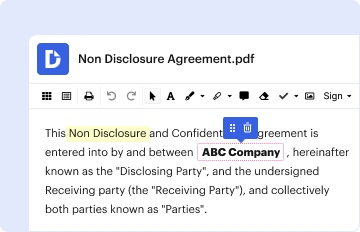
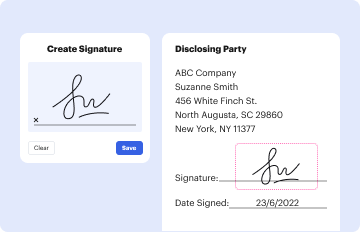
Finalize and Sign: Once all parties agree on the terms, finalize the document and proceed with signatures. Electronic signatures through platforms like DocHub offer a convenient and legally binding option.
Using the template effectively ensures a smooth placement process and minimizes the risk of misunderstandings or disputes.
Steps to Complete the Student Placement Contract Template
Filling out the Student Placement Contract Template is a methodical process. Here are the steps involved:
-
Gather Necessary Information: Collect all pertinent details required to complete each section, such as participant names, placement details, and responsibilities.
-
Fill in General Information: Input basic information, including the names of the student, placement entity, and educational institution.
-
Specify Placement Details: Enter specifics about the placement, including the start and end dates, location, and a brief description of the student's expected activities and objectives.
-
Outline Responsibilities: Clearly state the duties of each party involved, ensuring there is no ambiguity about expectations.
-
Detail Compensation Arrangements: If applicable, provide details about compensation, including how and when it will be delivered. Ensure this section aligns with agreed-upon terms.
-
Include Evaluation Criteria: Specify how the student's performance and learning outcomes will be evaluated. Include details on who will be conducting the evaluations and the metrics used.
-
Review Legal and Confidentiality Clauses: Ensure these sections are accurate and align with legal standards. Modify as needed to meet specific jurisdictional requirements.
-
Finalize and Distribute for Signatures: After completing the template, review all sections for accuracy before distributing it to all parties for signatures.
Completing these steps carefully ensures the contract reflects the agreed terms accurately and can be implemented effectively.
Who Typically Uses the Student Placement Contract Template
The Student Placement Contract Template is typically utilized by various entities involved in organizing educational or occupational placements. Here are the primary users:
-
Educational Institutions: Schools, colleges, and universities often use this template when arranging placements for students with external organizations. It helps them ensure that placements meet educational standards and benefit the students' learning experience.
-
Placement Entities: Companies or organizations that provide placement opportunities utilize the contract to outline their expectations and responsibilities. This ensures that the placement aligns with their operational goals while providing a valuable experience for the student.
-
Students: Individuals participating in placements benefit from the clarity and structure provided by the contract. It helps them understand their roles and responsibilities, creating a framework for their learning and development during the placement.
-
Career Advisors and Coordinators: Professionals who facilitate the arrangement of student placements find this template an essential tool. It aids them in organizing the terms and ensuring all parties have a mutual understanding.
Understanding who uses the template highlights its importance in providing structure and clarity, ensuring successful placements beneficial to all parties involved.


Legal Use of the Student Placement Contract Template
The legal framework surrounding the Student Placement Contract Template ensures that all parties involved in a placement agreement have clear and enforceable guidelines to follow. Here are key legal considerations:
-
Compliance with Labor Laws: The template must align with federal and state labor laws, particularly if the placement includes any form of compensation or stipend. It should define work hours and tasks in compliance with these regulations.
-
Confidentiality and Data Protection: Legal clauses regarding confidentiality and data protection are essential to safeguard sensitive information shared during the placement. This includes aligning with policies such as FERPA (Family Educational Rights and Privacy Act) when dealing with educational records.
-
Intellectual Property Rights: If the placement involves creating or managing intellectual property, the agreement should define ownership and rights related to any outputs or creations developed by the student.
-
Legally Binding Signatures: Utilizing a platform like DocHub ensures that electronic signatures are compliant with legal standards, making the contract legally binding and enforceable.
-
Dispute Resolution Mechanisms: Including arbitration or mediation clauses can provide a clear method for resolving conflicts, avoiding lengthy legal disputes.
Ensuring the contract is legally robust protects all parties and facilitates a successful and compliant placement process.
State-Specific Rules for the Student Placement Contract Template
Understanding state-specific regulations is crucial when implementing a Student Placement Contract Template, as different jurisdictions may have varied legal requirements. Here’s how to navigate these differences:
-
Research State Laws: Begin by researching the specific labor and educational laws in the state where the placement will occur. This includes employment laws for minors and any licensing or certification requirements for particular industries.
-
Educational Standards: Ensure that the contract aligns with state educational standards, which may dictate specific learning outcomes or competencies that must be addressed during the placement.
-
Occupational Regulations: Some states have particular regulations for specific industries, such as healthcare or finance, affecting placement terms and conditions.
-
Minimum Wage and Compensation Laws: State laws may dictate minimum wage requirements or exceptions applicable to student placements or internships, influencing compensation agreements within the contract.
-
Use of Online Platforms: Verify if there are any state-specific digital signature regulations that affect how contracts can be executed electronically.
By accounting for these state-specific rules, you can ensure that your Student Placement Contract complies with local requirements, thereby preventing legal issues and facilitating smoother placements.
Examples of Using the Student Placement Contract Template
Examples provide insight into real-world applications of the Student Placement Contract Template, illustrating its versatility and effectiveness across different scenarios:
-
University Internship Programs: Colleges often utilize this template to arrange internships for students in various fields, ensuring that the students' educational needs align with industry requirements.
-
High School Career Readiness Placements: For high school students involved in career readiness programs, the template helps schools formalize agreements with local businesses, outlining expectations and learning objectives.
-
Corporate Apprenticeships: Companies employing apprenticeships for skill development use the template to establish clear training goals and responsibilities, providing structure and assurance for both the apprentice and the employer.
-
Non-Profit Work Experiences: Non-profit organizations offering placements leverage the template to detail work expectations and ensure that students gain valuable insights and contribute meaningfully during their tenure.
These examples demonstrate how the template can be used across various sectors, ensuring each placement is structured, transparent, and beneficial to all parties.