




Definition and Meaning
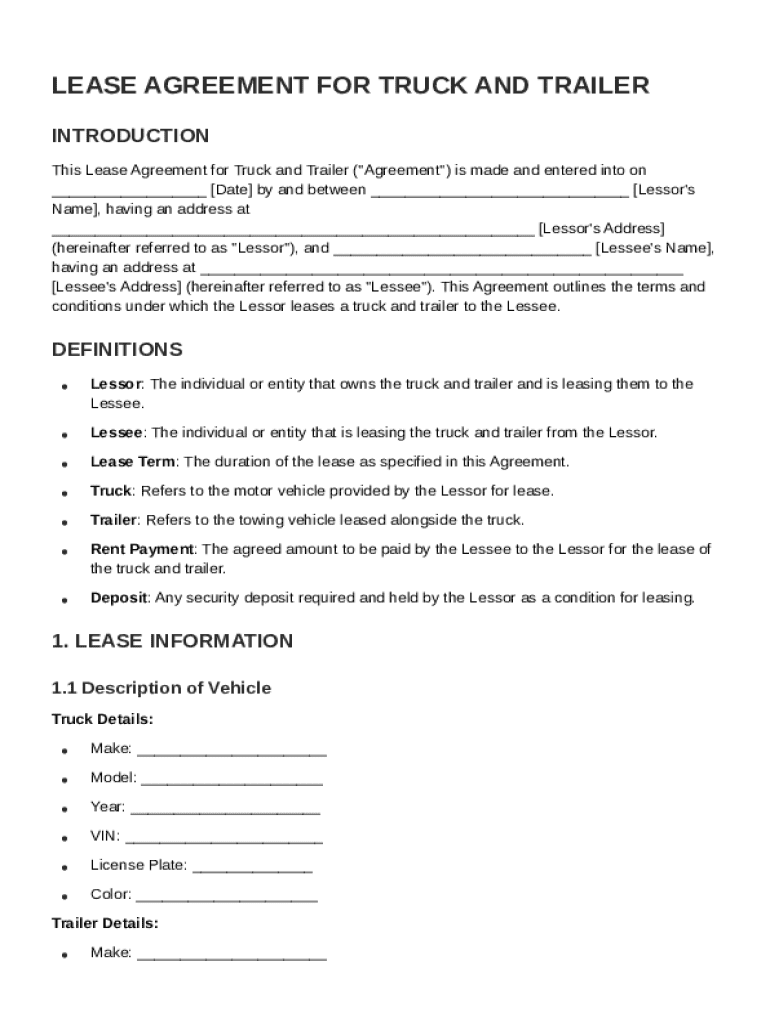
The "Lease for Truck and Trailer Agreement Template" is a legally binding document used to outline the terms and conditions of leasing a truck and trailer. It establishes a clear framework for a contractual relationship between the Lessor (the owner of the vehicle) and the Lessee (the individual or business renting the vehicle). This template ensures both parties understand their rights and obligations, covering critical aspects such as payment schedules, lease duration, maintenance responsibilities, and insurance requirements. It also includes clauses on acceptable use to prevent the misuse of leased vehicles.
Key Features
- Lease Duration: Specifies the start and end date of the lease, allowing both parties to plan accordingly.
- Payment Terms: Details the lease amount, payment frequency, and mode of payment.
- Insurance Requirements: Outlines the insurance coverage necessary to protect both the Lessor and Lessee.
- Maintenance Obligations: Defines who is responsible for routine maintenance and unexpected repairs.
This template is an essential tool for preventing disputes by providing clear documentation of the agreed terms.
Key Elements of the Lease for Truck and Trailer Agreement Template
Several critical elements ensure the agreement is comprehensive and enforceable. These include:
Payment and Fees
- Lease Payments: How much and how often they are due.
- Late Fees: Penalties for missed or delayed payments.
- Security Deposit: An upfront payment held against potential damages or breach.
Responsibilities of Parties
- Lessor's Duties: Include maintaining the vehicle in good condition and upholding the legality of the lease.
- Lessee's Duties: Entail proper vehicle usage and adherence to any use restrictions in the agreement.
Legal Use of the Lease for Truck and Trailer Agreement Template
The template ensures both parties comply with applicable laws, enhancing the trust and legality of the lease process.
Compliance with Laws
- State-Specific Regulations: The template can be adapted to reflect variations in state laws, ensuring local legal compliance.
- Insurance and Indemnification: Requires the Lessee to maintain insurance and indemnify the Lessor against certain damages or claims.
Important Terms Related to the Lease for Truck and Trailer Agreement Template
Understanding the terminologies used in the agreement is vital for both parties to interpret the terms accurately.
Definitions
- Lessor: The owner who rents out the truck and trailer.
- Lessee: The individual or business entity leasing the truck and trailer.
- Indemnification: A clause that protects one party from legal liabilities or claims.
Steps to Complete the Lease for Truck and Trailer Agreement Template
Completing the template requires careful attention to detail to ensure accuracy and completeness.
- Enter Party Details: Fill in the names and addresses of the Lessor and Lessee.
- Detailed Vehicle Description: Include key information like make, model, VIN, and year of the truck and trailer.
- Set Lease Terms: Specify the duration, start and end dates, and renewal options if applicable.
- Outline Financial Terms: Detail payment amounts, due dates, and methods of payment.
- Establish Maintenance Protocols: Define who is responsible for regular maintenance and any related costs.
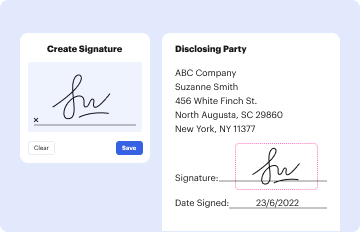
- Sign the Agreement: Both parties must sign and date the document to make it legally binding.
State-Specific Rules for the Lease for Truck and Trailer Agreement Template
Each state in the United States may have particular regulations affecting the lease terms.
Common Variations
- Tax Implications: States might have different tax requirements for leasing agreements.
- Lease End Procedures: Requirements might vary on contract termination or renewal rights.
It's critical for Lessors and Lessees to consult legal professionals for state-specific advice.
Who Typically Uses the Lease for Truck and Trailer Agreement Template
The template is utilized by a diverse range of users:

Primary Users
- Logistics Companies: Frequently lease additional equipment to meet varying demand.
- Independent Contractors: Use leased vehicles for flexibility without the burden of ownership.
- Businesses With Seasonal Needs: May need extra trucks and trailers during peak seasons.
Understanding the key users can help tailor the template to better serve these typical contexts.
Examples of Using the Lease for Truck and Trailer Agreement Template
Practical scenarios demonstrate the application of the template:
Scenario Examples
- A Delivery Firm: Leases additional trucks during holiday shipping surges to manage increased service demands without permanent asset purchases.
- A Construction Company: Utilizes the template to lease specialized trailers for specific projects, accommodating various project requirements smoothly.
These examples illustrate the template’s versatility in responding to distinct leasing needs across industries.
Required Documents
To complete the leasing process using the template, certain documents are typically required.
Essential Documents
- Proof of Insurance: Documentation confirming the vehicle is insured according to the agreed terms.
- Driver Information: A copy of the driver's license(s) for anyone who will operate the leased equipment.
- Business Licenses (if applicable): Any necessary business licenses or permits required for operating the vehicles in a commercial context.
These documents facilitate the validation of parties’ credentials and readiness to comply with the lease terms.
Digital vs. Paper Version
The "Lease for Truck and Trailer Agreement Template" can be utilized in both digital and traditional formats.
Digital Version
- Efficient: Quick edits and easy sharing.
- Eco-Friendly: Reduces paper waste and storage needs.
- Secure: Can be protected with encryption and access permissions.
Paper Version
- Tangible: A physical copy can feel more formal or official.
- Traditional Process Compatibility: Ideal for those who prefer handwritten signatures and annotations.
Choosing the right format depends on the needs and preferences of the leasing parties involved.