




Definition & Meaning
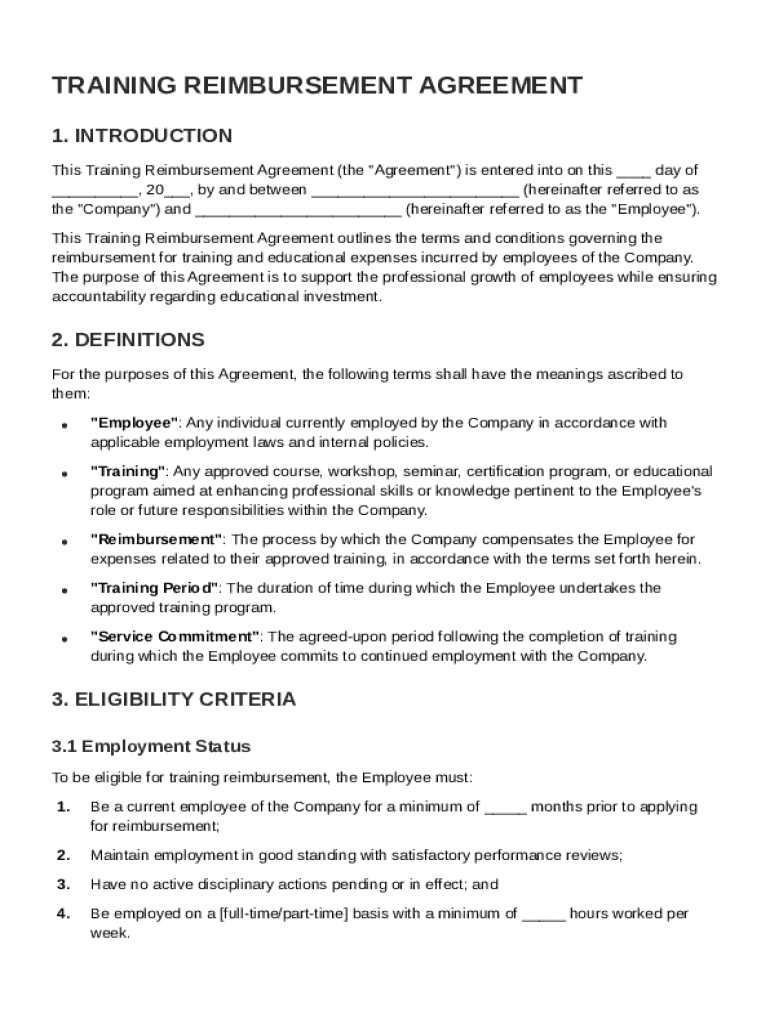
The Training Reimbursement Agreement Template is a contractual document used to establish clear terms and conditions under which an organization reimburses an employee for expenses related to training or educational programs. This agreement serves to outline the mutual commitments between the employer and employee, focusing on professional development and the enhancement of employee skills relevant to their role. It typically includes specific details about eligible programs, the reimbursement procedure, and any conditions under which repayment might be required.
Key Elements of the Training Reimbursement Agreement Template
The agreement encompasses several critical components that ensure clarity and avoid misunderstandings between parties. Major elements typically include:
- Eligibility Criteria: Specifies who within the organization can apply for reimbursement, often based on employment status or tenure.
- Approved Programs: Lists the types of training or educational courses eligible for reimbursement, which could include certifications, workshops, or full degree programs.
- Reimbursement Process: Details how employees can claim their expenses, including documentation required such as receipts or proof of completion.
- Coverage Limits: Defines the maximum amount or percentage of training costs that the company will reimburse.
- Repayment Obligations: Conditions under which the employee might need to repay the company, such as leaving the organization before a specified time.
Steps to Complete the Training Reimbursement Agreement Template
To ensure a successful completion of the Training Reimbursement Agreement Template, follow these methodical steps:
- Review Eligibility: Confirm that the employee meets all criteria for reimbursement.
- Identify Approved Training: Select courses or programs that qualify under company policy.
- Outline Costs and Coverage: Clearly state the training costs and the percentage covered by the employer.
- Draft Obligations: Include both parties' responsibilities, focusing on commitments, expectations, and repayment conditions.
- Revisions and Approvals: Submit the drafted agreement for review by relevant departments, such as HR or legal.
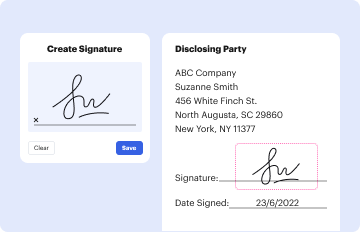
- Finalize the Document: Execute the agreement with signatures from both employer and employee.
Important Terms Related to Training Reimbursement Agreement Template
Understanding specific terminology is key to navigating the Training Reimbursement Agreement effectively:
- Reimbursement: Refunding of training expenses after proof of completion.
- Eligible Costs: Specific expenses that qualify for reimbursement, like tuition fees or material costs.
- Repayment Clause: Conditions dictating when an employee must return funds.
- Accredited Program: An educational course from a recognized institution that meets company standards.
- Service Agreement: A stipulation that requires continued employment for a certain period post-training.
Examples of Using the Training Reimbursement Agreement Template
Implementing the Training Reimbursement Agreement Template can be tailored to numerous scenarios:
- Professional Certification: An IT professional obtaining a certification in cybersecurity, with reimbursement covering exam fees.
- Graduate Studies: An employee pursuing an MBA with partial tuition reimbursement contingent on maintaining the GPA.
- Workshops and Seminars: Short-term skill-enhancing workshops, with costs reimbursed after completion and submission of attendance.
Why Should You Use the Training Reimbursement Agreement Template
Adopting this template supports various strategic organizational goals:
- Skill Enhancement: Investing in employee skills leads to a more competent and versatile workforce.
- Employee Retention: Offers an incentive for employees to stay with the company longer after receiving training.
- Structured Development: Ensures an organized and fair approach to professional development support across the organization.
Legal Use of the Training Reimbursement Agreement Template
Legal compliance forms the backbone of any formal agreement, ensuring both parties are protected. This agreement should align with applicable employment laws and regulations to avert future disputes:
- Adherence to Employment Law: The agreement respects state and federal laws regarding reimbursement and employment terms.
- Compliance with the ESIGN Act: If signed electronically, it follows federal regulations governing electronic signatures, ensuring legality and enforceability.
Eligibility Criteria
Eligibility criteria form the basis for who can participate in the program. Typical conditions include:
- Employment Duration: Reimbursement may only apply to employees who have been with the company for a specified period, often six months or a year.
- Job Relevance: Training should be pertinent to the employee's current role or career progression within the company.
- Performance Standards: Some agreements may require employees to meet certain performance benchmarks to qualify.
Adhering to these criteria helps maintain fairness and align individual growth with organizational objectives.