




01. Edit your form online
Type text, add images, blackout confidential details, add comments, highlights and more.

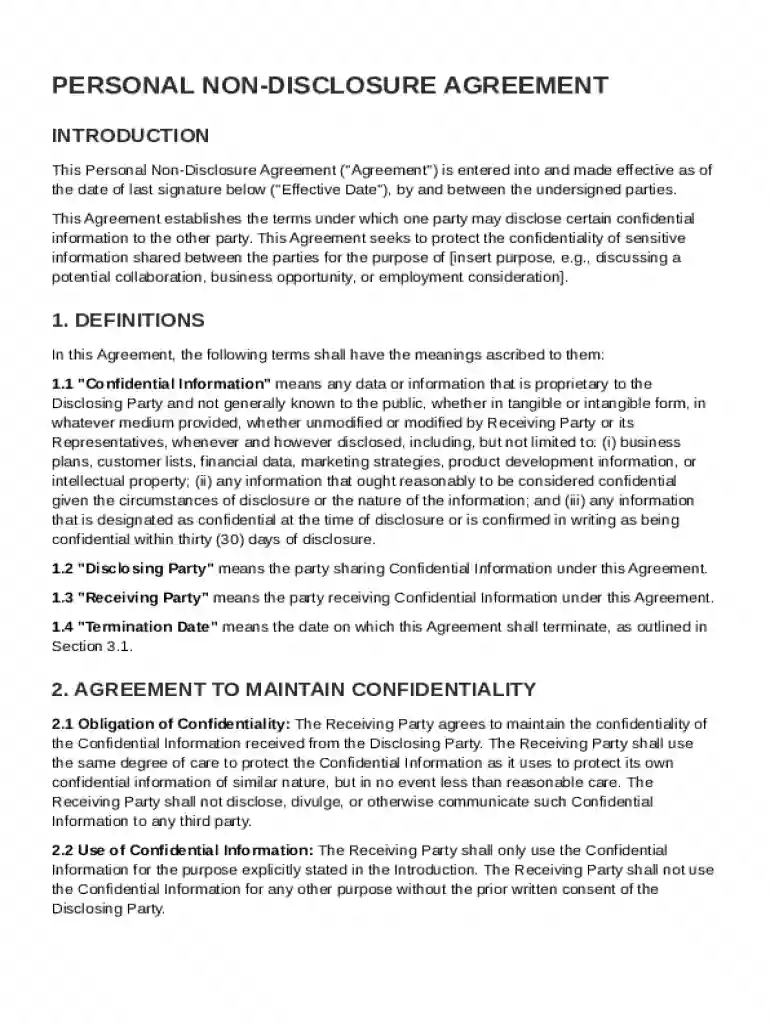
Type text, add images, blackout confidential details, add comments, highlights and more.

Draw your signature, type it, upload its image, or use your mobile device as a signature pad.

Send it via email, link, or fax. You can also download it, export it or print it out.
A Personal Non-Disclosure Agreement (NDA) Template is a legal document designed to protect confidential information shared between two parties. The core purpose of this agreement is to ensure that proprietary or sensitive information remains undisclosed to unauthorized entities. Typically, this includes definitions of 'Confidential Information,' specifying what is considered confidential and what lies outside its scope. The NDA outlines the obligations of the Receiving Party in maintaining secrecy and the consequences of disclosing such information without proper authorization. It serves as a foundational framework for safeguarding intellectual property, business strategies, and personal data, which is crucial for upholding trust between involved parties.
Using the Personal NDA Template involves a structured process to ensure all significant components are properly addressed. Here are the basic steps:
Identify the Parties: Clearly define the Disclosing and Receiving parties. This ensures roles and responsibilities are well understood.
Specify Confidential Information: Clearly list all types of information that are considered confidential, such as trade secrets or client lists.
Define Obligations: Outline the responsibilities of the Receiving Party regarding the protection and non-disclosure of the shared information.
Set Timeframes: Establish the duration of confidentiality obligations, which might extend beyond the termination of the agreement.
Clarify Permitted Disclosures: Detail scenarios under which certain information may be disclosed, such as legal requirements.
Establish Protocols for Breach: Specify actions and remedies in the event of an information breach.
This process ensures both parties have a clear understanding of their rights and limitations, preventing future disputes.
Completing a Personal NDA Template involves a series of steps to ensure accuracy and legal soundness. Users should be attentive to detail at each stage:
Preparation:
Drafting:
Review:
Signing:
By following these steps, the template is completed accurately, reflecting the needs and agreements of involved parties.
A well-crafted Personal NDA Template includes several vital components that work collectively to offer protection:
These elements ensure that both parties have clear guidelines, contributing to a successful and legally compliant relationship.
A range of individuals and entities find Personal NDA Templates useful, including:
Each of these use cases highlights the NDA's role in maintaining information security across various professional landscapes.


The legal enforceability of a Personal NDA depends on its proper formulation and compliance with applicable laws:
By addressing these areas, the NDA serves as a robust legal tool for protecting confidential information.
While a standard Personal NDA serves many purposes, variations include:
These variations accommodate different confidentiality needs, ensuring that the most appropriate type of agreement is used in each unique situation. This flexibility allows individuals and businesses to tailor the NDA to best fit their specific circumstances and information protection requirements.
At DocHub, your data security is our priority. We follow HIPAA, SOC2, GDPR, and other standards, so you can work on your documents with confidence.
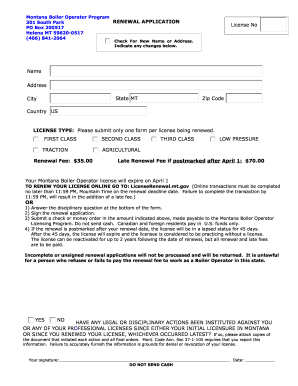
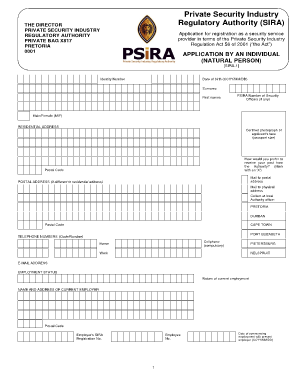
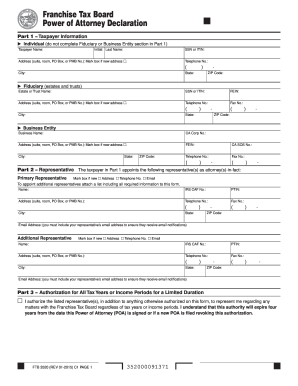



Individual agrees to hold in confidence and withhold from third parties any and all Confidential Information disclosed by Collaborator, on or after the
As a visitor to our premises, we will process your personal data to ensure that we adhere to our security, health and safety, and fire marshalling requirements.


