




Definition and Purpose of a Website Host Contract
A Website Host Contract, often known as a Website Host Service Agreement, is a formal document that outlines the terms and conditions between a hosting company (the Host) and a client (the Client) for web hosting services. This agreement serves as a foundational framework for understanding the rights, responsibilities, and expectations of both parties. It typically includes definitions of key terms, such as uptime guarantees and data protection, ensuring both parties have a clear understanding of the scope of services provided.
The contract details payment terms, the responsibilities of each party, termination procedures, compliance requirements with applicable laws, liability limitations for the Host, and clauses for confidentiality and data protection. Additionally, it may address dispute resolution processes and other general legal stipulations crucial for maintaining a professional relationship.
How to Use the Website Host Contract Template
Utilizing a Website Host Contract Template simplifies the process of crafting a thorough agreement tailored to specific needs. Here's a step-by-step guide to using the template effectively:
-
Review the Template: Begin by reading through the entire template to understand the sections included. Pay attention to areas requiring input, as well as optional clauses that might apply to your situation.
-
Customize Your Details: Fill in specific details such as hosting company name, client name, services offered, and any unique terms agreed upon between the parties. This customization ensures the contract accurately reflects the agreement.
-
Specify Payment Terms: Clearly outline the payment structure, including amounts, billing cycles, and any additional fees. Be concise yet thorough to avoid misunderstandings.
-
Define Responsibilities and Termination Clauses: Ensure both parties' responsibilities are detailed and agree on precise conditions for terminating the contract, including notice periods and penalties, if any.
-
Consider Legal Reviews: It may be wise to have legal counsel review the contract to ensure all necessary legal elements are addressed and comply with jurisdictional requirements.
Key Elements of the Website Host Contract Template
A comprehensive Website Host Contract Template should address several critical components to protect both the Host and the Client:
-
Scope of Services: This section should detail exactly what services the Host will provide, including server specifications, uptime commitments, support levels, and additional services like backups or security monitoring.
-
Security Commitments: Outline the measures the Host will take to ensure data security and confidentiality. This includes data encryption, access controls, and compliance with relevant data protection laws like GDPR.
-
Liability Limitations and Indemnification: Clearly state the limitations of liability for the Host to protect against unforeseen issues. Indemnification clauses are also crucial for protecting the Host from third-party claims arising from the Client's activities.
-
Dispute Resolution: Include provisions for handling disputes, such as mediation or arbitration, before resorting to legal action, saving time and resources for both parties.
Steps to Complete the Website Host Contract Template
Completing the Website Host Contract Template involves several straightforward steps designed to produce a comprehensive and enforceable agreement:
-
Gather Information: Collect all necessary details about the hosting service and client needs, including terms of usage, service levels, and technical specifications.
-
Fill Out Basic Information: Input the Host and Client details, including names, addresses, and contact information, for identification and communication purposes.
-
Customize Service Details: Clearly define the scope and limitations of services offered, including uptime, maintenance schedules, and potential contingencies.
-
Finalize Legal Terms: Address legal nuances such as jurisdiction, governing laws, and liability limitations. These sections ensure the agreement is enforceable in the desired legal context.
-
Review and Sign: Both parties should carefully review all filled sections to ensure accuracy and mutual understanding before signing the document.
Legal Use of the Website Host Contract Template
Website Host Contract Templates must be used in compliance with relevant legal standards to be enforceable. They provide a structured format ensuring all essential legal elements are included, such as service descriptions, payment terms, and liability clauses. Contracts need to reflect the specific laws applicable to the jurisdictions where the Host and Client operate.
It's vital that the template includes compliance clauses for data protection laws such as the GDPR and any local regulations that might affect digital service agreements. An explicitly stated governing law clause ensures that any disputes are handled under agreed legal frameworks, making the contract actionable in a court of law.
State-Specific Rules for Website Host Contracts
Website Host Contracts should align with state-specific regulations where either the Host or Client operates. Different states may impose varied requirements on contracts, especially concerning data protection, consumer rights, and electronic transactions.
For instance, some states may have unique regulations for digital services or stricter data protection laws. The Host and Client should be aware of these differences and adjust the contract accordingly to ensure compliance and avoid potential legal challenges. Consulting with a legal professional familiar with these state-specific nuances can be advantageous.
Examples of Using the Website Host Contract Template
Practical examples of how the Website Host Contract Template is utilized can highlight its flexibility and utility:
-
A startup company using the template to formalize its hosting agreement with a local web hosting service, ensuring it has a clear understanding of uptime expectations, support provisions, and data security commitments.
-
An ecommerce platform using the contract to establish terms for cloud hosting services with scalable server resources, focusing on peak traffic management during sales events.
-
A consulting firm providing web hosting and using the template to create bespoke agreements for each client, tailored to their specific business needs and compliance requirements.
These examples underline how the template can adapt to different scenarios, offering a solid, customizable foundation for professional web hosting arrangements.
Compatibility and Integration with Document Tools
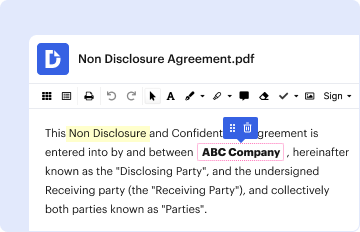
Utilizing a Website Host Contract Template effectively often involves integrating it with various document tools to facilitate easy editing, sharing, and signing. Platforms like DocHub offer robust solutions for managing these templates digitally:
-
Seamless editing options allow precise customization of contract terms, ensuring that clauses are relevant and up to date.
-
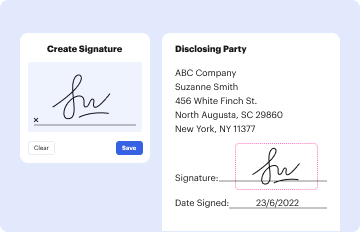
Digital signature capabilities provide legally binding sign-offs, allowing contracts to be concluded swiftly without requiring physical meetings.
-
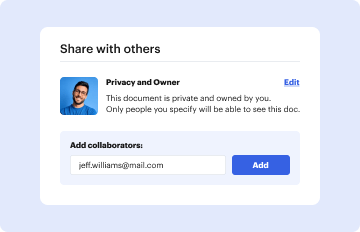
Options for importing and exporting from cloud services mean templates can be readily accessed and updated from multiple devices, making workflow processes more efficient.
By leveraging these integrations, contractual processes are streamlined, reducing the time and effort needed to manage agreements effectively.