





Definition & Meaning
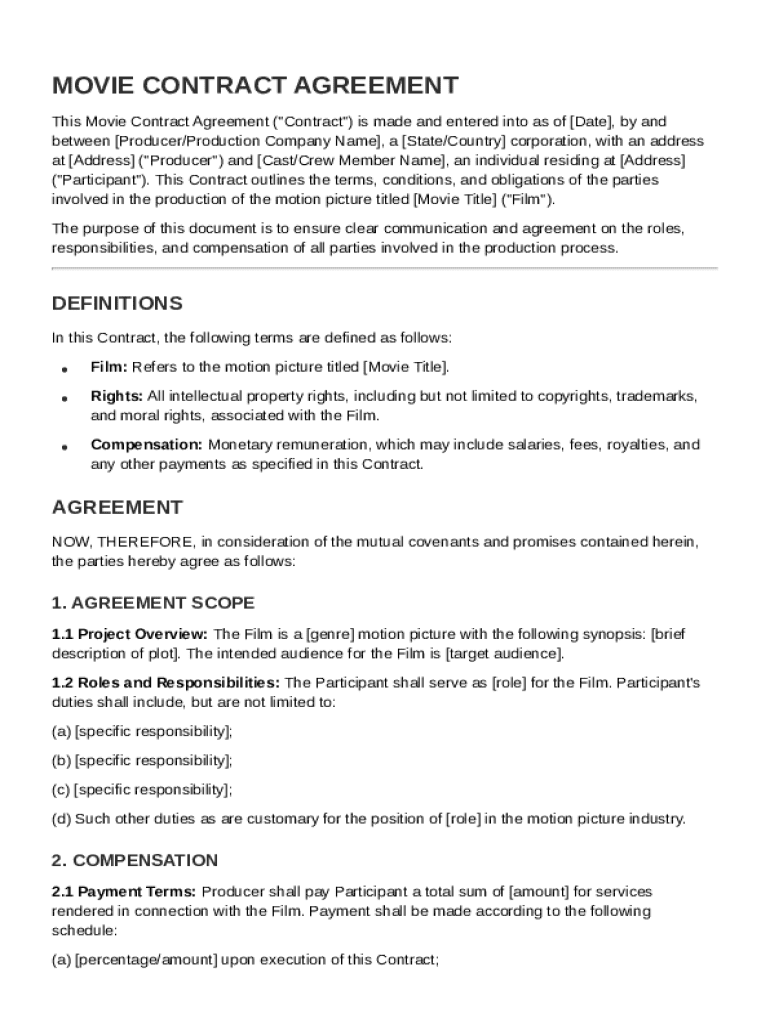
The Movie Contract Template is a legally binding document that sets the framework for the relationship between a Producer and a Participant involved in the production of a film. It delineates the roles, responsibilities, and expectations of both parties, covering essential aspects such as compensation, rights, and confidentiality. This template serves as an organized guide to ensure mutual understanding and a smooth project execution process.
Key Elements of the Movie Contract Template
The Movie Contract Template comprises several critical components that safeguard the interests of both the Producer and the Participant:
- Roles and Responsibilities: This section outlines the specific duties each party is expected to perform during the film production. It ensures clarity in task allocation and project management.
- Compensation Structure: Details on payment terms, including the amount, schedule, and conditions for any bonuses or royalties, are included here, providing a clear financial agreement.
- Rights and Ownership: This part addresses intellectual property rights, specifying who owns what parts of the film and under what conditions these rights can be transferred or licensed.
- Confidentiality Obligations: It emphasizes the need to maintain secrecy regarding sensitive project details that could affect the film’s success if disclosed prematurely.
- Warranties and Termination Conditions: These clauses provide assurances from both parties about their capabilities and stipulate the reasons and process for ending the contract.
How to Use the Movie Contract Template
To effectively utilize the Movie Contract Template, follow these steps:
- Download the Template: Obtain the latest version of the template from a reliable source, ensuring it meets your project’s legal requirements.
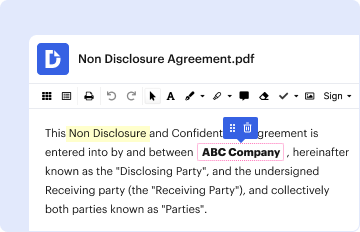
- Customize the Contract: Tailor the template to reflect specific details of your film project, including participant names, compensation details, and project duration.
- Review the Terms with Legal Counsel: Have the drafted contract reviewed by a legal expert to ensure compliance with relevant laws and that it adequately protects your interests.
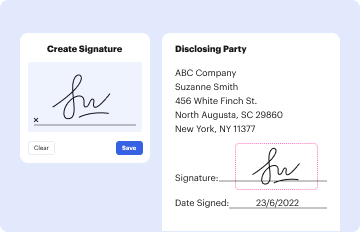
- Sign the Agreement: Once both parties have agreed to the terms, sign the document to make it legally binding.
Steps to Complete the Movie Contract Template
Completing the Movie Contract Template involves a few straightforward steps:
- Fill in Personal Details: Enter the names, addresses, and contact details of all parties involved.
- Outline Project Details: Specify the title of the film, project overview, and schedule.
- Define Compensation and Payment Terms: Clearly detail the amount, manner, and timing of payments.
- Specify Ownership Rights: Assign intellectual property rights and any conditions for their transfer.
- Include Additional Clauses: Add bespoke clauses that address specific needs, such as confidentiality and dispute resolution mechanisms.
- Finalize and Sign: After thorough review and agreement, all parties should sign the document.
Importance of Using a Movie Contract Template
Employing a Movie Contract Template is crucial for several reasons:
- Ensures Clarity: It precisely outlines expectations, reducing miscommunications and misunderstandings.
- Legal Protection: The contract serves as evidence should legal disputes arise, protecting both parties’ rights.
- Streamlines Processes: Offers a standardized format that saves time and effort in contract preparation.
- Facilitates Financing: Clear contractual agreements can support securing funding, as they demonstrate professional project management.
Legal Use of the Movie Contract Template
The Movie Contract Template must adhere to specific legal standards to be enforceable:
- Compliance with State Laws: The contract should be drafted in accordance with the laws of the state where production occurs, which could affect aspects like dispute resolution.
- Inclusion of Essential Terms: To be legally binding, the contract must contain all necessary elements like offer, acceptance, and consideration.
- Adaptation for Jurisdictional Nuances: Some states may require additional clauses or modifications to meet local legal requirements.
Who Typically Uses the Movie Contract Template
Various stakeholders in the film industry utilize the Movie Contract Template, including:
- Producers: Responsible for overseeing the film's production; they use the template to formalize agreements with cast and crew.
- Actors and Crew Members: Participants who need clear terms regarding their involvement and compensation.
- Legal Advisors: Specialists ensure the contract's enforceability and adherence to legal norms.
- Production Companies: They use the template as a standard document for multiple projects, ensuring consistency and legal compliance.


Examples of Using the Movie Contract Template
Here are a few practical scenarios where the Movie Contract Template proves valuable:
- Independent Films: Budget-conscious producers in independent films can use the template to establish clear and legally sound agreements without excessive legal fees.
- Large-Scale Productions: Big production houses use the template to manage extensive casts and crews, ensuring detailed role allocations and payment structures.
- Co-Productions: When multiple producers or studios collaborate, the template underscores each party's role and financial contribution, preventing potential disagreements.
State-Specific Rules for the Movie Contract Template
While the Movie Contract Template provides a general framework, variations across states can affect its application:
- California: Given Hollywood's dominance, template versions need rigour in intellectual property and labor law compliance.
- New York: Additional clauses might be necessary to comply with state-specific entertainment regulations.
- Texas: Contracts may need tuning to align with state's filming location incentives and employment statutes.
Understanding and adapting to these variations ensures the contract remains robust and enforceable in various locales.