




01. Edit your form online
Type text, add images, blackout confidential details, add comments, highlights and more.

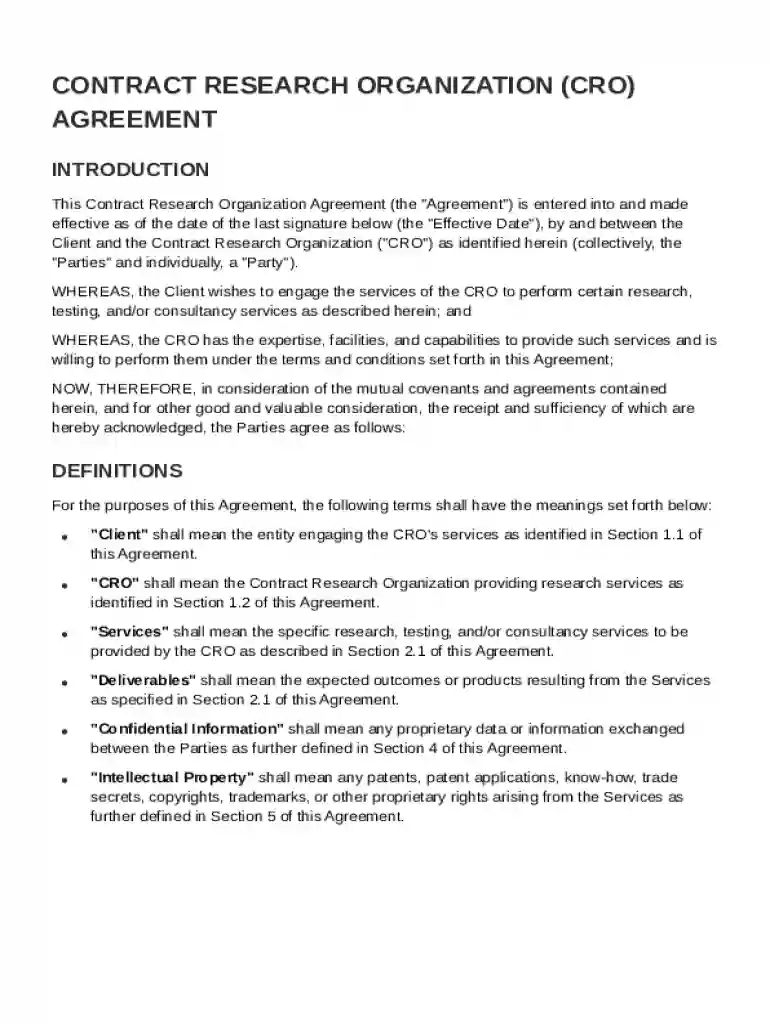
Type text, add images, blackout confidential details, add comments, highlights and more.

Draw your signature, type it, upload its image, or use your mobile device as a signature pad.

Send it via email, link, or fax. You can also download it, export it or print it out.
The "CRO Contract Template" is a standardized document used by a Client and a Contract Research Organization (CRO) to formalize their business relationship. The document outlines the terms and conditions under which the CRO is engaged to provide research, testing, and consultancy services. It serves as a formal agreement that establishes the roles, responsibilities, and expectations of both parties involved. Key elements typically encapsulated in this template include scope of services, compensation details, confidentiality clauses, and compliance obligations, ensuring a mutual understanding.
Scope of Services: Defines the specific research, testing, and consultancy services the CRO is expected to provide. It typically includes detailed descriptions of the tasks, timelines, and deliverables involved.
Compensation Structure: Outlines how and when the CRO will be paid for their services. This may include fixed fees, hourly rates, or milestone payments, depending on the agreement's complexity.
Confidentiality Obligations: Specifies the requirements for keeping sensitive information secure. Both parties typically agree not to disclose shared information to third parties, safeguarding intellectual property and proprietary data.
Intellectual Property Rights: Clarifies ownership rights over the work produced and manages expectations regarding existing intellectual property versus new developments.
Compliance with Laws: Affirms that both parties will adhere to applicable laws and regulations. This may comprise industry-specific standards and legal requirements related to the research or consultancy work.
Review the Template: Thoroughly examine the pre-defined sections and language within the template to understand its application to your specific requirements.
Customize Essential Sections: Modify the template's sections to reflect the particularities of the engagement. This includes tailoring the scope of services, compensation terms, and intellectual property clauses to fit the project's needs.
Add Specific Details: Fill in company specifics, such as the names and contact information of both parties, the project timelines, and any unique provisions that apply to the agreement.
Legal Review and Approval: Have the customized contract reviewed by legal counsel to ensure compliance with applicable laws and that all necessary protections are included.
Signing the Agreement: Once both parties have reviewed and agreed upon the terms, the contract should be signed by authorized representatives from each party.
The CRO Contract Template is legally binding once signed by both parties. It adheres to the legal framework laid out by the U.S. regulatory bodies concerning business agreements and electronic transactions when executed properly. Legal stipulations, such as mutual indemnification, dispute resolution processes, and termination conditions, are usually embedded within the template to safeguard interests. This means that a violation of any outlined clauses may lead to legal repercussions or dispute resolutions as agreed in the document.
These entities leverage the CRO Contract Template to formalize engagements with external research organizations, ensuring clarity and protecting their interests.


Understanding these terms ensures both parties are clear on their contractual obligations and the underlying legal framework.
CRO agreements might need modifications based on state laws in the United States. Certain states have unique regulations, particularly concerning confidentiality and data protection laws. Parties must ensure the agreement meets the specific requirements of the state jurisdiction governing their contract. Consulting with legal professionals who understand state-specific nuances can help ensure the contract's enforceability across state lines.
Technological advancements have led CRO Contract Templates to be hosted digitally, allowing seamless distribution, modification, and signing through platforms like DocHub. This digital approach provides several advantages, such as cloud storage integration, enhanced security measures with encryption, and electronic signature capabilities. Physical paper versions, although less common, may still be used in scenarios requiring hard copies due to specific regulatory or client preferences. The choice between digital and paper should consider factors such as ease of use, cost-effectiveness, and environmental impact.
These topics offer a comprehensive overview of a CRO Contract Template, its purposes, and considerations during drafting, modification, and execution.
At DocHub, your data security is our priority. We follow HIPAA, SOC2, GDPR, and other standards, so you can work on your documents with confidence.
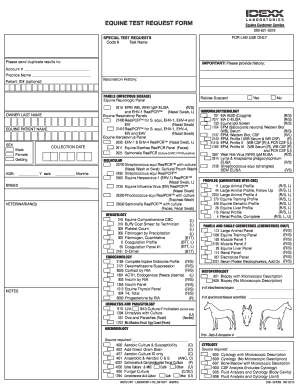
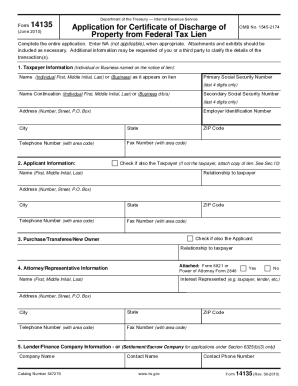
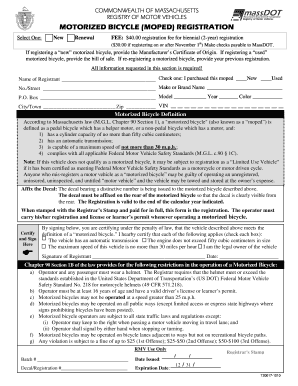
STATEMENT OF AGREEMENT FOR CONTRACT RESEARCH ORGANIZATION (CRO) BETWEEN THE UNIVERSITY OF TEXAS COMPONENT (UNIVERSITY) AND CONTRACT RESEARCH ORGANIZATION. 1
In the following sections, we will provide examples of how different departments and positions contribute to different stages of the clinical trial process.


