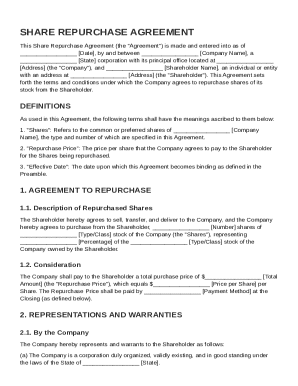
Definition & Purpose of the Amendment Contract Template
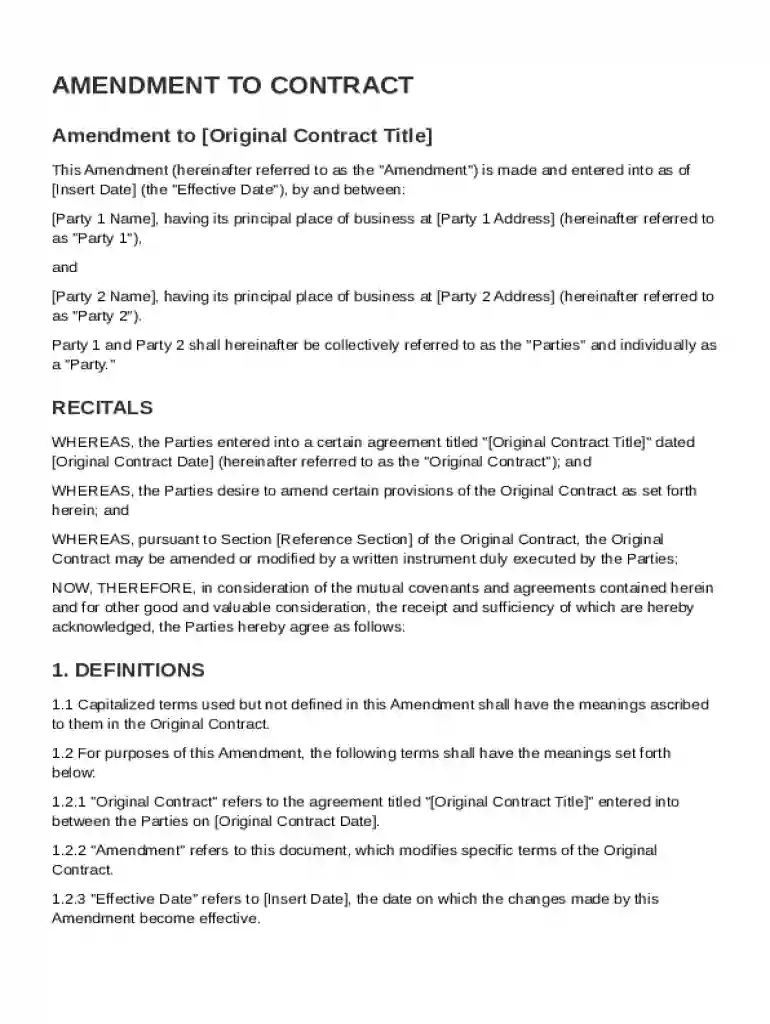
An Amendment Contract Template is a preformatted document that outlines modifications agreed upon by two parties in an existing contract. It serves to formally document changes, ensuring both parties have a mutual understanding of the new terms. This template is crucial in adapting original agreements to reflect changing conditions, such as new payment schedules, altered project scopes, or extended timelines. By utilizing a structured template, clarity and legal enforceability are maintained throughout the amendment process.
Key Examples and Scenarios
- Payment Terms Changes: Businesses may use the template to alter payment schedules in response to cash flow challenges.
- Changes in Scope of Work: If the project's requirements increase or decrease, the template provides a clear method to update contractual obligations.
- Extension of Duration: For ongoing projects requiring additional time, the amendment can specify new deadlines.
Steps to Complete the Amendment Contract Template
Step-by-step Process
- Identify the Original Contract: Clearly reference the existing contract by title and date to ensure all parties are aware of the document being amended.
- Detail the Updates: Specify each change in terms clearly, including any alterations to scope, payment, or timelines.
- Reaffirm Unchanged Terms: State that all other terms from the original contract remain in effect unless specifically modified.
- Obtain Signatures: Ensure both parties sign and date the document, validating the agreed changes. Witnesses or notarization may be required in some jurisdictions.
Practical Tips
- Use Clear Language: Avoid legalese to ensure all parties understand the changes.
- Consult Legal Advice: For substantial amendments, seeking legal counsel can help prevent future disputes.
Real-world Applications
- Small Businesses: Adjustments in supply chain agreements due to market changes.
- Tech Start-ups: Updating shareholder agreements as investment rounds alter stake proportions.
Key Elements of the Amendment Contract Template
Structural Components
- Header Section: Includes details such as the amendment number, date, and party names.
- Modification Clauses: Detailed sections specifying what elements of the original contract are being altered.
- Verification: Includes signature lines for both parties, confirming mutual acceptance of the changes.
Importance of Each Component
- Headers and Identifiers: Ensure each amendment is traceable and linked to the correct original agreement.
- Specific Modification Details: Provides clarity on what is being changed, reducing ambiguity and potential misunderstandings.
Legal Use of the Amendment Contract Template
Ensuring Legal Compliance
- Adheres to Original Contract's Terms: Changes must respect any clauses in the original agreement regarding modifications.
- Compliance with Governing Law: Amendments should be drafted in accordance with the jurisdiction’s contract law governing the original contract.
Common Considerations
- Document Retention: Maintain copies of all amendments with the original contract for compliance and reference in disputes.
- Legal Consultation: Especially important in states with unique contract modification laws.
Important Terms Related to the Amendment Contract Template
Glossary of Terms
- Effective Date: The date when the changes to the contract take effect.
- Reaffirmation Clause: A statement verifying that all unaltered terms of the original contract are still active.
- Consideration: An element that might be needed if the amendment introduces new obligations.
Contextual Use
- Negotiation of Terms: Understand these terms to efficiently negotiate contract modifications.
- Documentation: Use these terms when drafting to ensure comprehensive coverage of legal essentials.
State-Specific Rules for the Amendment Contract Template
Navigating Variations by State
- California: Emphasizes written consent for amendments in real estate contracts.
- New York: Requires amendments to be as formally executed as the original contract.
- Texas: Allows verbal amendments, but they must be clearly substantiated in writing for enforceability.
Importance of State-specific Knowledge
- Aids in avoiding legal pitfalls by ensuring the amendment complies with local laws, which can differ significantly across states.
Examples of Using the Amendment Contract Template
Case Studies and Illustrations
- Construction Projects: A contractor amends the project deadline due to unforeseen delays, using the template to add clarity and avoid penalties.
- Product Supply Chains: A supplier modifies delivery schedules to adapt to production constraints, using a documented amendment to maintain a good relationship with the client.
Learning from Examples
- Proactive Approach: Using real-world scenarios to preemptively identify the need for amendments helps in maintaining smooth business operations and relationships.