




Definition and Meaning
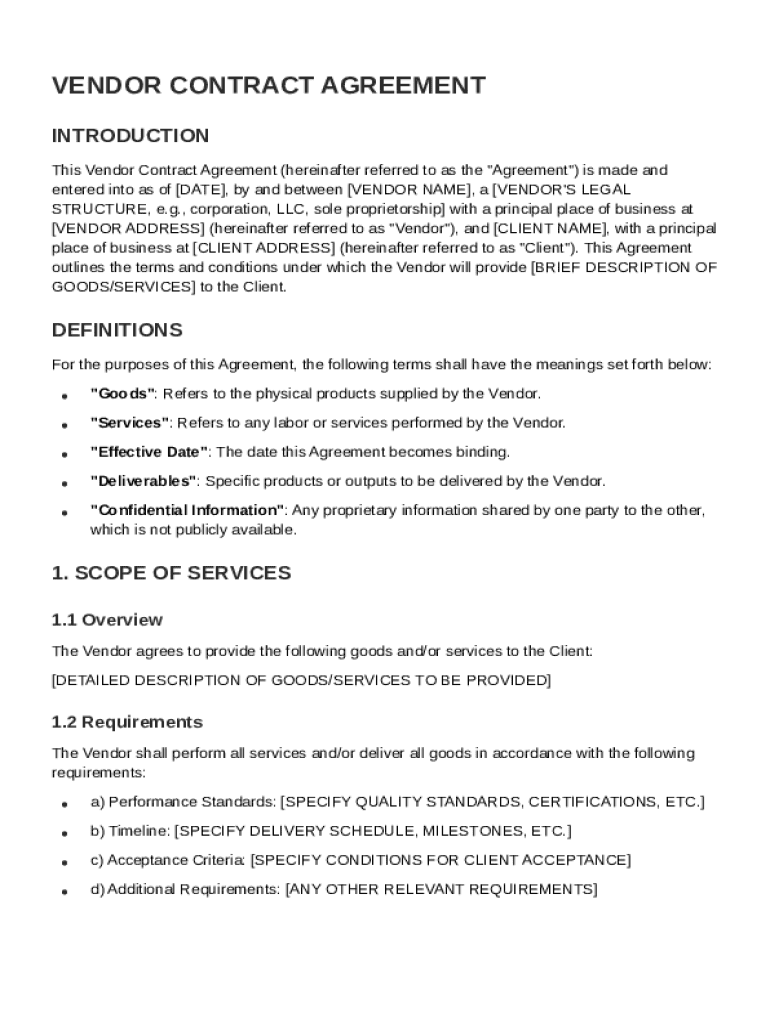
The Vendor Contract Template is a legally binding document designed to formalize the terms and conditions between a vendor and a client. This document establishes a clear framework for the provision of goods or services, ensuring both parties understand their responsibilities and expectations. It includes essential elements such as the scope of services, payment terms, confidentiality agreements, intellectual property rights, indemnification clauses, and dispute resolution procedures. By defining these aspects in detail, the Vendor Contract Template minimizes misunderstandings and potential conflicts, offering a reliable reference throughout the contractual relationship.
How to Use the Vendor Contract Template
Utilizing the Vendor Contract Template involves a few straightforward steps that ensure you tailor the agreement to the specific needs of both parties. First, review the template carefully to identify any sections that require customization based on the nature of the goods or services being offered. For instance, you may need to adjust the scope of services to accurately reflect what the vendor will provide. Add specific details such as timelines, deadlines, and performance standards to ensure clarity. Be sure to involve legal counsel if necessary to address any complex legal terms or requirements. Once both parties agree on the final content, the template should be signed to indicate mutual consent.
Key Elements of the Vendor Contract Template
The Vendor Contract Template comprises several critical components that define the business relationship. Among these, the scope of services outlines what the vendor is expected to deliver, while compensation details specify the payment structure, including amounts, schedules, and methods. Confidentiality obligations describe how sensitive information will be protected. Intellectual property rights establish ownership and usage rights for any proprietary materials. Indemnification clauses detail responsibilities for any loss or damage incurred, and dispute resolution mechanisms provide steps for addressing conflicts. These elements combine to form a comprehensive agreement that protects both parties’ interests.
Steps to Complete the Vendor Contract Template
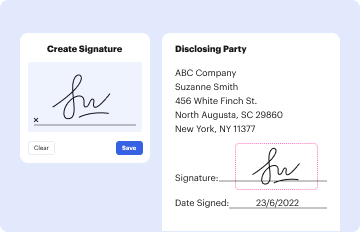
Completing the Vendor Contract Template involves a sequence of steps to ensure all necessary details are addressed. First, gather all relevant information about the vendor, client, and the nature of the goods or services involved. Next, fill in specific sections of the template with this information, paying close attention to details such as performance standards, payment terms, and confidentiality obligations. Review the template with the involved parties to ensure all contract terms are understood and agreed upon. Finally, sign the document in the designated areas for each party to formalize the agreement.
Legal Use of the Vendor Contract Template
The Vendor Contract Template serves a critical legal function by defining the rights and obligations of the vendor and the client. It acts as a safeguard against disputes, providing a clear reference that can be consulted in case of disagreements. By adhering to legal standards and including comprehensive clauses, the template ensures compliance with applicable laws and regulations. It can also be used as evidence in court if necessary, making it a vital tool for protecting both parties' interests. Legal review is often advised to ensure all elements comply with jurisdiction-specific requirements.
Important Terms Related to Vendor Contract Template
Several key terms are commonly associated with the Vendor Contract Template. "Scope of Services" defines the exact nature of what the vendor will provide. "Compensation" refers to how and when the vendor will be paid for their services. "Confidentiality Obligations" ensure that any private information shared between the parties remains protected. "Intellectual Property Rights" determine ownership over any materials created or used during the agreement. The "Indemnification Clause" outlines the responsibility for any potential losses. Understanding these terms is crucial for proper use of the template and for creating a contract that is clear and enforceable.
Who Typically Uses the Vendor Contract Template
Businesses of various sizes across multiple industries typically utilize the Vendor Contract Template. Small businesses and startups benefit from establishing clear terms with their suppliers and service providers. Corporations may use the template when entering into agreements with new vendors or when renegotiating existing contracts. It is also common among nonprofit organizations that collaborate with external parties. The template aligns with the needs of any entity requiring well-defined service expectations and financial arrangements, offering a versatile solution for structured business relationships.

Examples of Using the Vendor Contract Template
Various scenarios demonstrate the practical application of the Vendor Contract Template. A technology company entering a service agreement with a software vendor might use the template to outline deliverables and licensing terms. A retail store could use it to set terms with a supplier of custom products, ensuring quality control and timely delivery. Events companies frequently use these contracts to formalize agreements with caterers or equipment rental services. In each example, a detailed vendor contract ensures clear communication and helps to prevent disputes, adding significant value to business operations.
State-Specific Rules for the Vendor Contract Template
When using the Vendor Contract Template, it's important to be aware of any state-specific rules that could affect the agreement. Different states may have varying requirements for enforceable contracts, particularly regarding electronic signatures and fulfillment laws. For example, some states may require additional clauses for compliance with local business regulations, while others might have distinct rules on confidentiality. Being informed of these differences and consulting legal advisors can help tailor the template to meet regional legal requirements, ensuring full compliance and enforceability.