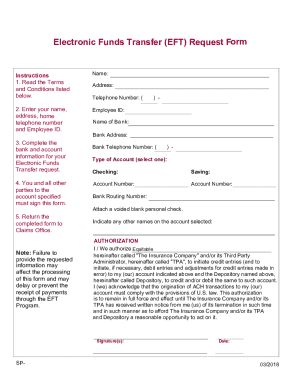
Web Service Contract Template 2026

Get Form
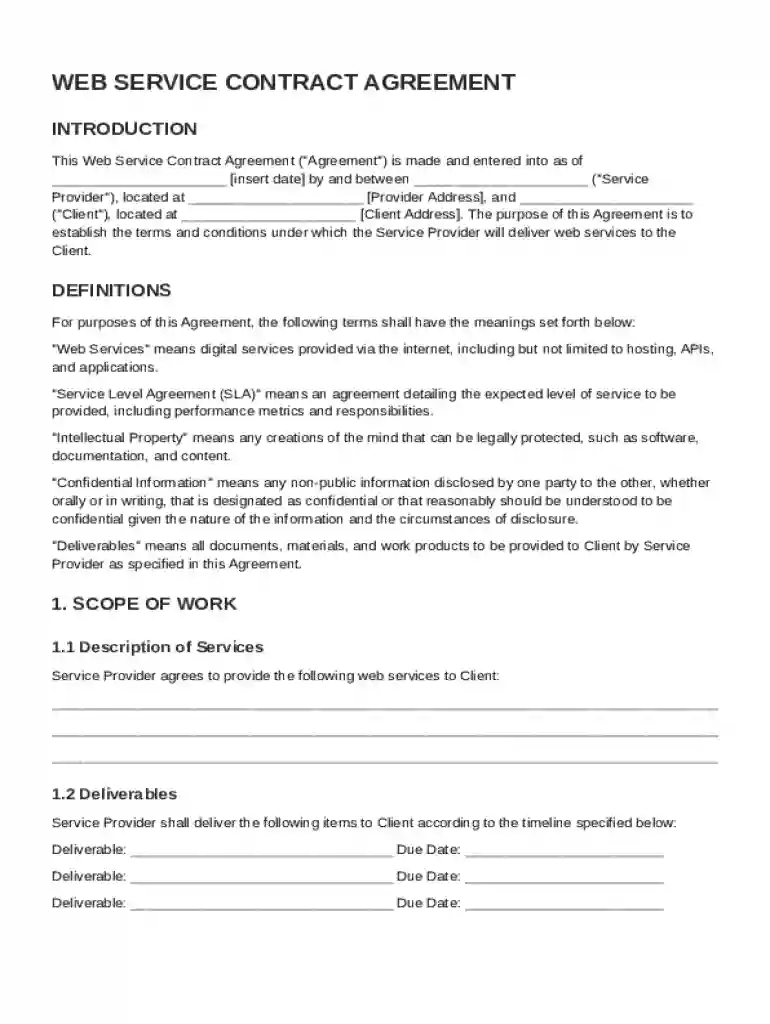
Web Service Contract Template Preview on Page 1

Here's how it works

01. Edit your form online
Type text, add images, blackout confidential details, add comments, highlights and more.

02. Sign it in a few clicks
Draw your signature, type it, upload its image, or use your mobile device as a signature pad.

03. Share your form with others
Send it via email, link, or fax. You can also download it, export it or print it out.

Definition and Meaning of Web Service Contract Template

A Web Service Contract Template is a structured framework that delineates the terms and conditions between a Service Provider and a Client concerning the provision of web services. This legally binding document serves to outline the roles, responsibilities, and expectations of both parties involved in a digital services agreement. These contracts typically include sections on definitions of key terms, the scope of work, and service level agreements. By defining these components clearly, the template aims to prevent miscommunications and ensure a mutual understanding, which can help avoid disputes.

Components and Clauses

  • Definitions: Clarifying key terms that are crucial to understanding the agreement.
  • Scope of Work: Details the specific services to be provided and the deliverables expected.
  • Service Level Agreements: Establishes the standards and quality metrics the service provider commits to meeting.

How to Use the Web Service Contract Template

Utilizing the Web Service Contract Template effectively involves understanding each section and customizing it to suit the unique context of your service agreement. The template is designed to be flexible, enabling users to edit sections to more accurately reflect their business needs.

  1. Customize the Scope: Tailor the scope of work section to detail the precise services you will provide or receive. This might include timelines, milestones, and deliverables specific to your agreement.
  2. Edit Responsibilities: Clearly state the responsibilities of both parties to avoid ambiguities.
  3. Adjust Payment Terms: Modify the payment sections to include deadlines, payment methods, and any financial penalties for late payments.

Steps to Complete the Web Service Contract Template

Completing a Web Service Contract Template requires attention to detail and thoroughness to ensure all elements are accurately addressed. Following a step-by-step approach can facilitate this process:

  1. Gather Required Information: Before filling out the template, collect all pertinent details about the service provider, client, and services to be rendered.
  2. Input General Information: Start with basic information such as names, addresses, and contact details of both parties.
  3. Define Service Terms: In the service section, specify the nature of the services, including timelines and expected outcomes.
  4. Set Payment Conditions: Clearly outline the payment terms, including amounts, due dates, and penalties for non-compliance.
  5. Review Legal Clauses: Ensure all legal provisions such as confidentiality, intellectual property rights, and termination conditions are clear and comprehensive.

Who Typically Uses the Web Service Contract Template

This template is widely used by various stakeholders in digital service industries. It serves as a critical tool for:


  • Service Providers: Businesses offering web-based services, including developers, digital marketers, and IT consultants.
  • Clients: Organizations or individuals obtaining web services—these might include companies seeking to enhance their digital presence or integrate new software solutions.
  • Legal Advisors: Lawyers specializing in contract law may use this template to craft or review agreements for clients.
decoration image ratings of Dochub

Key Elements of the Web Service Contract Template

The Web Service Contract Template comprises several critical elements that contribute to its effectiveness:

  • Confidentiality Obligations: Protect confidential information and ensure data privacy.
  • Intellectual Property Rights: Define the ownership and usage rights concerning any proprietary digital assets.
  • Dispute Resolution Processes: Establish mechanisms for addressing potential disagreements through mediation or arbitration.

Legal Use of the Web Service Contract Template

The legal framework surrounding the use of a Web Service Contract Template is founded on principles that ensure its enforceability. The template aligns with U.S. contract law requirements, which demand that agreements have consideration, mutual consent, and lawful purposes.

Compliance and Enforceability

  • Legally Binding: By incorporating electronic or traditional signatures, the contract becomes legally binding under the ESIGN Act.
  • Jurisdiction Considerations: Specify which state laws govern the agreement to clarify the jurisdiction in legal proceedings.

State-Specific Rules for the Web Service Contract Template

In the United States, while federal law provides a baseline for contract enforcement, state-specific rules can affect how contracts are interpreted and enforced. Variations in state law might impact:

  • Interpretation of Contractual Language: Certain states may have unique interpretive rules or legal precedents that affect contractual terms.
  • Dispute Resolution Preferences: Some states prefer specific dispute resolution approaches, such as mediation or arbitration.

Examples of Using the Web Service Contract Template

Practical scenarios provide insight into the versatility of the Web Service Contract Template:

  • Tech Startups: A startup might utilize the template for agreements with web developers to create a new application.
  • Digital Marketing Agencies: These agencies can employ the template to formalize service offerings with clients, ensuring that campaign specifics and expectations are clearly documented.
  • Software Consultancies: Engage clients through a precisely articulated service contract when deploying bespoke software solutions.

Each use case highlights the importance of tailoring the contract to reflect the distinct nature of the services being provided, ensuring clarity and mutual understanding for all parties involved.

be ready to get more

Complete this form in 5 minutes or less

Get form

Got questions?

We have answers to the most popular questions from our customers. If you can't find an answer to your question, please contact us.
Contact us
An electronic contract is an agreement made online that creates a mutual obligation between two parties and is enforceable under certain legal requirements. Rather than interacting in person or by phone, parties communicate digitally.
Service contracts. Contracts carry technical constraints and requirements of the exposed service as well as information about data to be exchange to interact with the service. They comprise technical descriptions and optional non-technical documents.
Here are the fundamental stages to creating a simple and successful client contract: provide both parties contact information. define the terms and the subject of the project. determine payment terms. make a schedule. determine what happens if a contract is canceled.
A service agreement is a contract that outlines the terms and conditions governing the provision of services between a service provider and a client. It serves to clearly define expectations, protect both parties interests, and provide a framework for a successful working relationship.
Seamless Document Creation and Editing Through integration, users can open pre-written contract templates within Word. The template contains placeholders for essential information, such as names, dates, terms, and conditions.

Security and compliance

At DocHub, your data security is our priority. We follow HIPAA, SOC2, GDPR, and other standards, so you can work on your documents with confidence.

Learn more
ccpa2
pci-dss
gdpr-compliance
hipaa
soc-compliance

People also ask

What to include in your agreement/contract: Project scope Payment: How you want to price your business If you wish to have an advance amount paid You may include payments due to other material required eg-paid images, etc The forms of payment you will accept How you plan to bill your client.
Most web services provide an API, which, with its set of commands and functions, is used to retrieve data. Heres one example: Twitter delivers an API that authorizes a developer access tweets from a server and then collects data in JSON format.
A service contract is an agreement between two parties that outlines the terms and conditions of a specific service to be provided by a third party. These types of contracts for services are widely used across various industries, including education, healthcare, construction, and IT.

Related links