Definition and Meaning
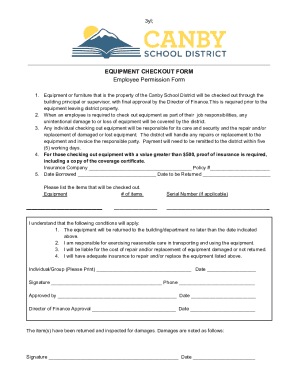
The Security Deposit Disbursement Form is a crucial document used by tenants to request the return of their security deposit from landlords. This form outlines the necessary details required for the processing of the disbursement, ensuring that there is a clear record of the transaction between the tenant and landlord. It serves as an official request document where tenants provide their information and include any pertinent details related to the return of their deposit. The form also acts as an agreement to the terms under which the deposit will be returned, including any deductions made for damages or unpaid rent.
How to Use the Security Deposit Disbursement Form
Using the Security Deposit Disbursement Form is a straightforward process that involves providing detailed information in several key sections. Tenants need to fill out personal details such as their name, address, and contact information. Additionally, they must include details about their landlord, the property, and the amount of the security deposit. Important areas of the form include sections where tenants can itemize any deductions that have been communicated by the landlord. Accurate completion of this form ensures that tenants provide all necessary details required for a smooth and efficient disbursement process.
Steps to Complete the Security Deposit Disbursement Form
Completing the Security Deposit Disbursement Form involves several distinct steps:
- Personal Information: Enter your full name, current address, and contact information.
- Property Details: Provide the address and unit number of the rental property.
- Deposit Information: Specify the amount originally deposited as the security deposit.
- Deduction Details: If applicable, include a list of deductions taken from the deposit, along with explanations.
- Bank Information for Direct Deposit: For direct deposit, include your bank's name, routing number, and account number.
- Signature: Sign and date the form to certify that the information provided is accurate.
Key Elements of the Security Deposit Disbursement Form
The Security Deposit Disbursement Form contains several essential elements that ensure clarity and completeness:
- Tenant and Landlord Information: Names, contacts, and respective addresses are necessary for identification purposes.
- Rental Property Address: The specific location for which the security deposit applies.
- Deposit Amount: Clearly stated amount for accountability.
- Deductions: A section to outline any deductions and their justifications.
- Payment Method: Options for refund method, such as check or direct deposit.
- Signatures: Tenant and sometimes the landlord’s signature for validation.
State-Specific Rules for the Security Deposit Disbursement Form
Different states have varying regulations on how security deposits should be managed and returned. For instance:
- California: Requires the full or partial return of the deposit within 21 days of tenant move-out, with an itemized list of deductions.
- New York: Landlords must provide a receipt of the deposit and return it within a "reasonable time" after the lease ends.
- Texas: Allows for a 30-day period after move-out for return of the deposit, necessitating a forwarding address for the tenant.
Adhering to these state-specific rules is crucial for ensuring compliance and avoiding legal complications.
Legal Use of the Security Deposit Disbursement Form
The Security Deposit Disbursement Form serves as a legal document that outlines the agreement between tenant and landlord regarding the return of the deposit. It may be used in court to settle disputes over deposit amounts or legality of deductions. The form, when properly filled and retained, provides proof of communication and agreement on both sides. It's essential for both tenants and landlords to keep copies for their records to defend their interests if necessary.
Important Terms Related to the Security Deposit Disbursement Form
Understanding specific terms related to the Security Deposit Disbursement Form can aid in its proper use:
- Lease Termination: The end of the lease agreement, triggering the deposit return.
- Wear and Tear: Normal depreciation of property that should not affect deposit return.
- Settlement Deductions: Costs deducted from the deposit for damages or unpaid rent, legally documented.
- Direct Deposit Information: Bank details required for electronic funds transfer.
Examples of Using the Security Deposit Disbursement Form
A few practical scenarios illustrate the Security Deposit Disbursement Form's utility:
- Scenario 1: A tenant moves out after their lease ends and submits the form to request $1,000 back, detailing a $200 deduction for cleaning services.
- Scenario 2: In a roommate situation, both parties sign a joint form to equally split a $1,500 deposit refund.
- Scenario 3: Following lease termination due to misconduct, a tenant uses the form to contest a deduction, providing receipts to justify claims.
These examples underscore the form's adaptability for different tenant situations, ensuring fair and documented deposit returns.