
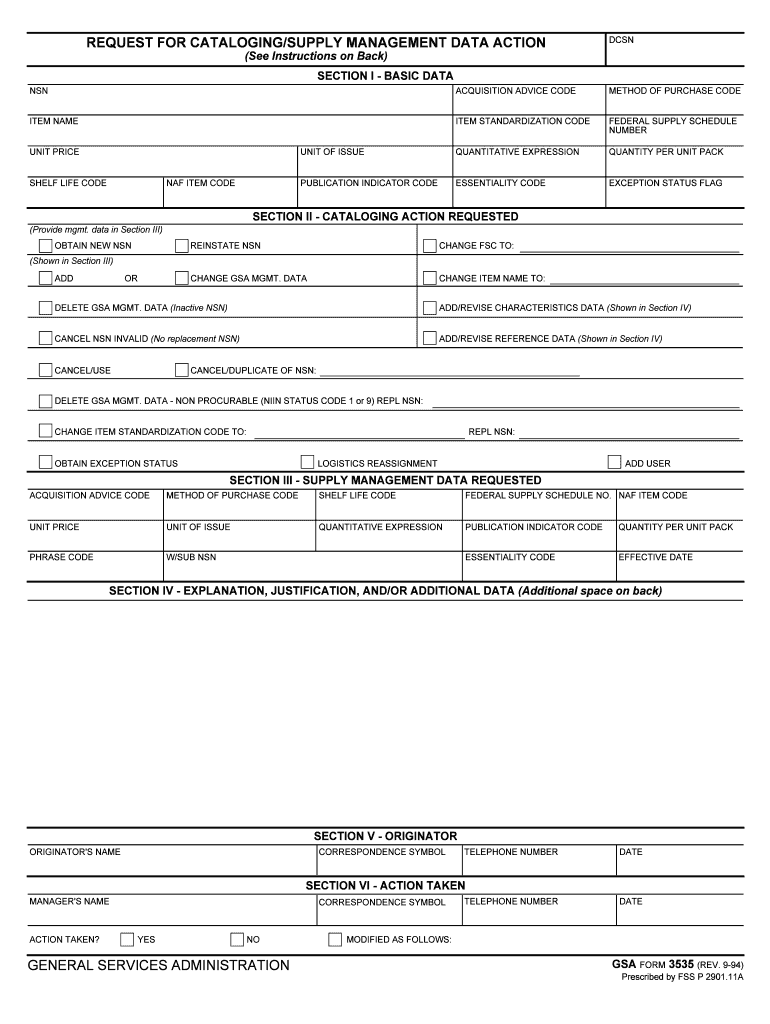







Definition & Meaning
National Stock Numbers (NSNs) are essential identifiers used by the Defense Logistics Agency (DLA) to standardize and manage supplies. Each NSN is a unique, standardized code that simplifies inventory management by ensuring that each item is recognized uniformly across all entities. This system eliminates inconsistencies in item identification, allowing for smooth logistics operations and efficient supply management.
The NSN system enables accurate tracking and ordering of items, enhancing overall organizational efficiency. These numbers are crucial for ensuring that all departments and divisions refer to the same item identically, reducing errors in supply chain management.
How to Use National Stock Numbers
Integrating National Stock Numbers into a supply management system requires understanding their standard format, which includes a 13-digit code. This code comprises a four-digit Federal Supply Classification (FSC) and a nine-digit National Item Identification Number (NIIN).
- Federal Supply Classification (FSC): Represents the category of the item.
- National Item Identification Number (NIIN): Identifies the specific item within that category.
Users engaged in procurement, logistics, and supply chain activities use these NSNs to:
- Order and track inventory across departments.
- Facilitate international and inter-departmental supply exchanges.
- Simplify record keeping and data analysis for inventory audits.
Steps to Complete Supply Management with NSNs
-
Identification: Determine the correct NSN for the item needed by consulting the DLA’s resources or internal catalogs.
-
Procurement Request: Use the NSN to initiate a procurement request through your organization’s purchasing system, ensuring that all relevant details, such as quantity and delivery timelines, are included.
-
Ordering: Submit the procurement request to authorized DLA channels, using the NSN to precisely specify the item.
-
Receiving and Verifying: Once items are received, verify them against the NSN to ensure correct supply delivery.
-
Inventory Management: Update inventory records using the NSN for future reference and auditing purposes.
Key Elements of National Stock Numbers
National Stock Numbers consist of critical elements aiding accurate identification:
- Item Description: Detailed textual description ensuring clarity.
- Cargo Code: Specifies handling requirements, significant for logistics.
- Unit Price: Facilitates fiscal management during procurement processes.
- Manufacturer Information: Provides the source and authenticity check for items.
- Demilitarization Code: Indicates additional security or handling instructions for items, essential for compliance with regulatory and security standards.
Who Typically Uses National Stock Numbers
Though primarily used by the military, NSNs are also used by government agencies, defense contractors, and various organizations requiring standardized logistics frameworks. These entities include:
- Defense departments: For uniform supply chain management across military branches.
- Government agencies: Ensuring consistent procurement practices.
- International military allies: To streamline supply sharing under international treaties.
Legal Use of National Stock Numbers
The legal framework governing NSNs mandates compliance with national and international policies to maintain consistency in supply identification. The DLA is responsible for NSN issuance and governance, ensuring compliance with logistics standards stipulated by government regulations.
In U.S. federal government procurement, NSNs must be used following directives to assure compliance with federal supply logistics chain operations. Failure to correctly use or comply with NSN policies can lead to procurement errors and potential legal challenges.
Examples of Using National Stock Numbers
Several case studies illustrate the utility and versatility of NSNs in supply chain management:
- Military Operations: NSNs are used to ensure rapid deployment of supplies under mission-critical conditions, improving supply chain efficiency and mission success.
- Disaster Relief: Aid organizations utilize NSNs to organize and distribute emergency supplies accurately, aiding in quicker and more coordinated disaster response efforts.
- International Collaboration: NSNs are increasingly utilized in joint military exercises between international allies to ensure equipment standardization and interoperability.
Required Documents for NSN Utilization
National Stock Numbers usage often entails comprehensive documentation to support administrative and logistical activities:
- Requisition Forms: Essential for initiating supply orders.
- Inventory Reports: Used in tracking and auditing supplies.
- Compliance and Shipping Records: Ensuring adherence to shipping regulations.
These documents must be completed accurately to avoid delays and compliance issues in supply chain management.




