



Definition and Meaning
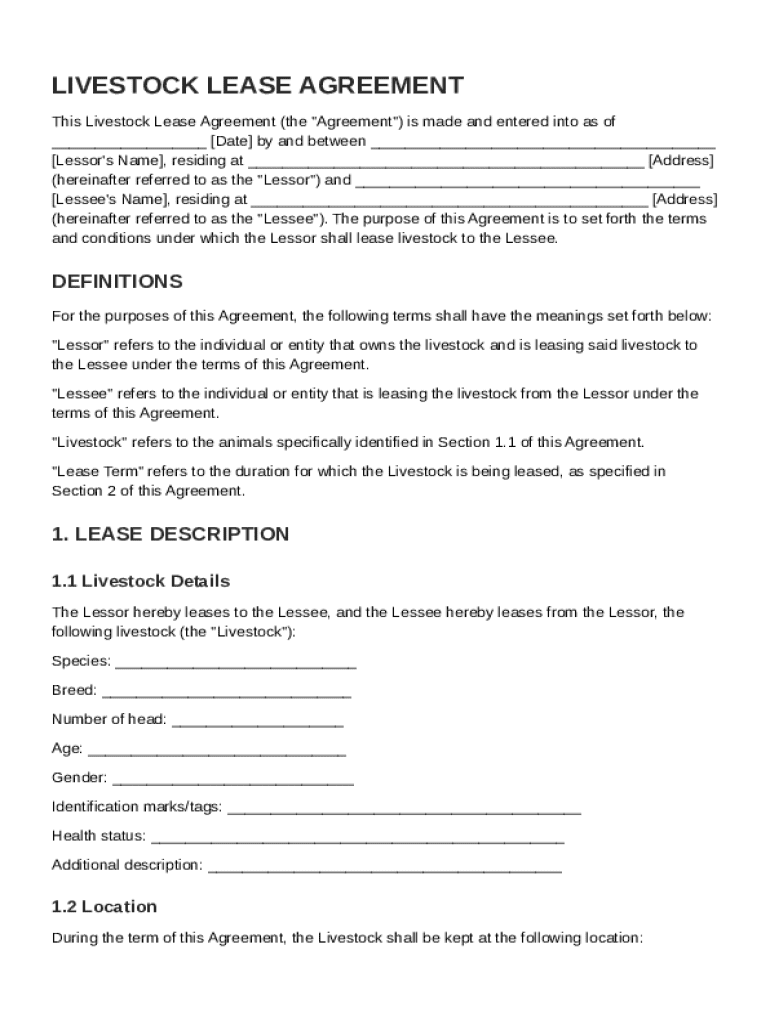
The Livestock Lease Agreement Template is a legally binding document that establishes the terms and conditions under which a lessor leases livestock to a lessee. This agreement is designed to clearly outline responsibilities, rights, and obligations involved in the leasing process, ensuring that both parties are well-informed. The template generally includes essential components like the description of livestock, lease duration, payment terms, maintenance obligations, insurance requirements, termination procedures, and the applicable legal framework. It allows parties to protect their interests by ensuring proper management of the livestock with comprehensive legal backing.
Key Elements of the Livestock Lease Agreement Template
Understanding the key elements within a Livestock Lease Agreement Template is crucial for both parties involved. Some of the primary features include:
- Description of Livestock: It contains details such as the type, age, breed, and any identifying features of the livestock subject to the lease.
- Lease Term: Defines the duration for which the livestock will be leased, including start and end dates.
- Payment Terms: Specifies payment frequency, amount, and method, providing clarity on financial obligations.
- Responsibilities: Outlines who is responsible for feeding, care, medical treatment, and general welfare of the livestock.
- Insurance: Details any insurance requirements to protect against loss, injury, or death of the livestock.
- Termination Conditions: States the circumstances under which the lease can be terminated by either party.
These components ensure a clear understanding between the lessor and lessee, minimizing potential disputes.
Legal Use of the Livestock Lease Agreement Template
The legal use of the Livestock Lease Agreement Template adheres to standards as defined by relevant laws and regulations within the United States. This includes compliance with the Uniform Commercial Code (UCC), which governs commercial transactions, including the lease of livestock. Utilizing the template protects both parties legally and ensures that any leasing arrangements are enforceable in court.
- Governing Law: Specifies which state’s laws will apply in the event of a dispute.
- Dispute Resolution: Outlines procedures for resolving disagreements, potentially through mediation or arbitration.
- Liability Clauses: Clarifies the limits of liability each party holds in relation to incidents like property damage or third-party claims.
Ensure the chosen template accommodates state-specific legal requirements and is reviewed regularly to maintain compliance.
How to Use the Livestock Lease Agreement Template
Utilizing the Livestock Lease Agreement Template effectively involves several steps to customize it according to specific needs:
- Selection: Choose a template that matches the leasing requirements specific to the type of livestock and lease nature.
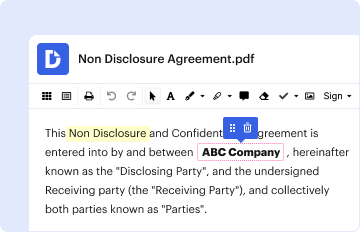
- Customization: Alter predefined fields to include specific details about the livestock, lease period, payment terms, and obligations.
- Review: Both parties should thoroughly review the completed template to ensure all necessary conditions are covered and agree to its contents.
- Legal Consultation: It is advisable for both parties to seek legal advice for confirmation if the agreement meets all legal standards and correctly represents both parties' interests.
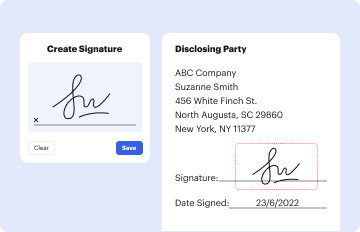
- Execution: Once finalized, both parties must sign the agreement to put it into effect.
By following these steps, parties can ensure they accurately capture their agreement details within the template.
Steps to Complete the Livestock Lease Agreement Template
Completing a Livestock Lease Agreement Template involves various critical actions:
- Gather Information: Compile necessary details regarding the livestock being leased, including descriptions and identification numbers.
- Fill in Details: Enter the specifics of the lease term, payment schedule, responsibilities, and any additional conditions desired by the parties.
- Verify Identification: Ensure all identifiers (e.g., tags, photographs) of the livestock are correctly documented.
- Negotiate Terms: Discuss and solidify terms regarding care, maintenance, and insurance requirements with the other party.
- Draft Final Version: Prepare a draft of the completed template for review.
- Seek Legal Review: Engage a legal professional to review the agreement to ensure legality and enforceability.
- Sign and Date: Both the lessor and lessee must sign and date the document for it to become effective.
This structured approach ensures critical lease details are accurately documented and legally binding.
Important Terms Related to Livestock Lease Agreement Template
Various terms are crucial to understand in the context of a Livestock Lease Agreement:
- Lessor/Lessee: The lessor is the owner leasing the livestock, while the lessee is the entity leasing the livestock.
- Lease Term: The duration over which the livestock is leased.
- Indemnification: A contractual obligation of one party to compensate the loss incurred by another due to the act of the indemnitor or any other party.
- Force Majeure: A clause absolving parties from liability or obligation when an extraordinary event prevents one or both from fulfilling their obligations.
- Breach of Contract: Refers to one party's failure to fulfill any of its contractual obligations.
Knowing these terms ensures all parties comprehend their roles and responsibilities within the lease agreement.
State-Specific Rules for the Livestock Lease Agreement Template
State-specific rules can significantly impact the use and enforceability of livestock lease agreements. Each state may have unique legislation governing livestock management, transportation, and leasing, which must be thoroughly understood:
- Local Regulations: States may impose specific requirements for tagging, transport, and quarantine instructions for livestock.
- Tax Implications: Some states offer incentives or impose taxes that could affect financial aspects of a lease.
- Agricultural Laws: Standards for animal welfare and management differ by state, demanding compliance for lawful leasing operations.
Ensuring adherence to these state-specific regulations is essential to sustain the validity of the lease agreement.
Examples of Using the Livestock Lease Agreement Template
Practical examples of when to use a Livestock Lease Agreement provide clarity on its application:
- Ranchers Leasing Cattle: A rancher leasing cattle for breeding purposes over a defined period may use this agreement to set terms on care and profit sharing.
- Dairy Farmers: A dairy farmer may lease additional cows during peak milk production seasons, specifying terms for the management and return of the cows post-season.
- 4-H Programs: Youth organizations participating in agricultural projects may lease livestock to teach care and management throughout the programming year, with clear terms regarding liability and animal care outlined in the lease.
These scenarios illustrate how the agreement caters to varying needs in agricultural operations.