




01. Edit your tax engagement letter online
Type text, add images, blackout confidential details, add comments, highlights and more.

Type text, add images, blackout confidential details, add comments, highlights and more.

Draw your signature, type it, upload its image, or use your mobile device as a signature pad.

Send it via email, link, or fax. You can also download it, export it or print it out.
A tax engagement letter is a formal document outlining the scope of services provided by a tax preparer or accounting firm to a client. Typically, this document specifies the tasks to be undertaken, such as the preparation of federal and state income tax returns, and delineates the responsibilities of both the tax professional and the client. It's a critical component in establishing mutual understanding and setting the expectations for both parties in a professional relationship.
The letter is prepared by the accounting firm or tax professional and serves to formalize the client-agreement by detailing terms such as service fees, payment schedules, confidentiality clauses, and deadlines for document submission. Moreover, it clarifies that the client is responsible for the accuracy and completeness of the information provided for tax preparation, guiding both parties in understanding their roles and commitments.
A tax engagement letter protects both the client and the tax preparer by minimizing misunderstandings and ensuring that both parties are committed to the agreed terms. It outlines the services being rendered and provides a way to resolve disputes by clearly stating each party's responsibilities. Without this document, there is a risk of disputes over the scope of services, fees, and other essential terms of the agreement, making it crucial for maintaining a professional and transparent business relationship.
Individuals and businesses engaging with professional tax preparers often utilize tax engagement letters. This includes:
The IRS requires proper documentation, like engagement letters, to substantiate the preparations of tax returns by professionals. It ensures that both the client and the tax professional adhere to agreed terms, which helps in minimizing discrepancies and potential disputes. The engagement letter should reflect IRS compliance, citing relevant guidelines such as the ESIGN Act, which applies to electronically signed documents.
Digital versions of tax engagement letters are becoming more prevalent due to their ease of distribution, signing, and storage. They are secured with encryption and allow for the efficient collection of electronic signatures, aligning with the ESIGN Act to be legally binding. Conversely, paper versions are beneficial for clients who prefer traditional methods and for those who may not have access to digital technology. Each format provides its set of advantages, understanding the client's preferences and capabilities guides the choice of format effectively.
We've got more versions of the tax engagement letter form. Select the right tax engagement letter version from the list and start editing it straight away!
| Versions | Form popularity | Fillable & printable |
|---|---|---|
| 2014 | 4.4 Satisfied (45 Votes) |
At DocHub, your data security is our priority. We follow HIPAA, SOC2, GDPR, and other standards, so you can work on your documents with confidence.

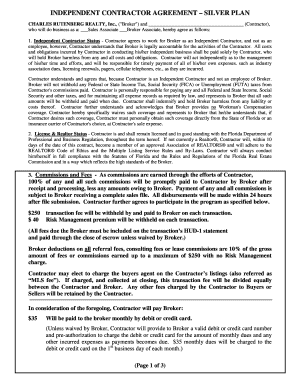
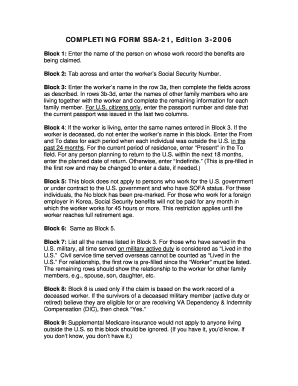
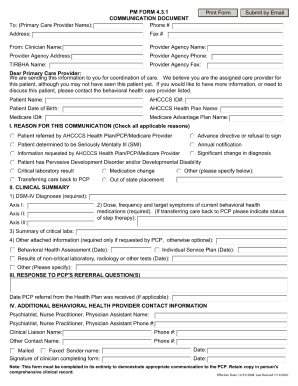

Jan 25, 2021 An engagement letter for tax preparation services should be the first written communication a tax practice has with its client each year.
Its late January as I write this. For some of us tax season is in full swing and for others its just or barely beginning. No matter where you are in.


