Definition and Meaning of the Vehicle Services Division
The vehicle services division is a governmental body responsible for managing various vehicle-related administrative tasks, such as vehicle registration, title transfers, and licensing. This division ensures that all vehicular operations comply with state laws and regulations. Within the United States, each state's Department of Motor Vehicles (DMV) or an equivalent entity typically houses the vehicle services division. The division plays a crucial role in maintaining legal vehicular operations, supporting public safety, and facilitating the efficient administration of vehicle-related processes.
Key Responsibilities
- Vehicle Registration: Ensuring that all vehicles operating within the state are registered for legal compliance.
- Title Transfers: Managing the official documentation required for transferring vehicle ownership.
- Licensing: Issuing driver's licenses and permits, including renewals.
- Safety Inspections: Overseeing state-mandated vehicle safety and emissions inspections.
How to Use the Vehicle Services Division
Engaging with the vehicle services division is essential for every vehicle owner. Individuals or businesses must interact with this division for several services, ensuring that all vehicular documentation is current and compliant with state laws.
Common Uses
- Registering a New Vehicle: Upon purchasing a vehicle, owners must register it with the state’s vehicle services division. This includes submitting necessary documents, such as a bill of sale and proof of insurance.
- Renewing Vehicle Registration: Annually or biennially depending on state guidelines, vehicle registration must be renewed. This process often involves paying a fee and passing any required inspections.
- Updating Personal Information: Vehicle owners must update the division with any changes in address or personal details to maintain accurate records and receive important notifications.
Steps to Complete the Vehicle Services Division Forms
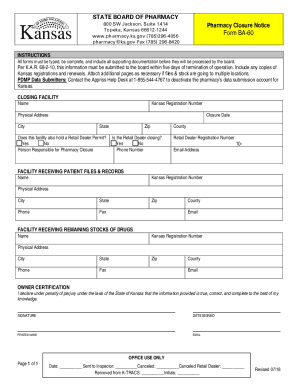
Completing forms within the vehicle services division is generally straightforward but requires attention to detail for accurate processing. The following are typical steps involved in completing a form related to vehicle services:
- Download or Obtain the Form: Forms can be accessed online through the state’s DMV website or picked up in person at local offices.
- Fill in Personal Information: Include details such as name, address, and contact information.
- Provide Vehicle Details: Enter information like Vehicle Identification Number (VIN), make, model, and year.
- Attach Required Documentation: Gather and attach necessary documents, such as proof of insurance, a prior registration certificate, or a vehicle inspection report.
- Submit the Form: Forms can typically be submitted online, via mail, or in person, depending on specific state procedures.
Who Typically Uses the Vehicle Services Division
The vehicle services division serves a wide array of users, encompassing both private individuals and various organizational entities:


Individuals
- Car Owners: To register new vehicles, renew registrations, or transfer titles.
- Drivers: Seeking new or renewed driver’s licenses or permits.
- Car Sellers: To report the sale of a vehicle and release liability.
Organizations
- Dealerships: Engaging in bulk vehicle registrations and title transfers.
- Fleet Managers: Operating multiple vehicles and maintaining compliance with registration and inspection requirements.
- Rental Agencies: Continually updating vehicle documentation for rental fleets.
Important Terms Related to the Vehicle Services Division
Understanding the terminology associated with the vehicle services division is crucial for navigating the administrative processes smoothly:
- Registration Certificate: A document proving a vehicle's legal registration with the state.
- Title: A legal document that establishes ownership of a vehicle.
- VIN (Vehicle Identification Number): A unique code assigned to every motor vehicle when it is manufactured.
- Emissions Test: A state-mandated inspection to ensure that a vehicle meets environmental standards.
State-Specific Rules for the Vehicle Services Division
Each state in the U.S. may have unique rules and regulations governing vehicle services. It is essential for vehicle owners and related entities to be aware of these state-specific guidelines to ensure compliance.
Considerations
- Registration Periods: The timeframe for registration renewals can vary by state.
- Inspection Requirements: Some states have differing standards for vehicle inspections based on environmental considerations or safety regulations.
- Fees and Penalties: The costs associated with vehicle registration or renewal, and potential penalties for late submissions, may differ across state lines.
Examples of Using the Vehicle Services Division
Real-world scenarios often highlight the practical use and relevance of the vehicle services division. For instance, when a resident purchases a used car from a private seller, they must visit the vehicle services division to transfer the title and register the vehicle in their name. Similarly, a business fleet manager needs to coordinate the registration renewals for a large number of company vehicles to ensure uninterrupted business operations.
Required Documents for the Vehicle Services Division
Providing the appropriate documentation is crucial when interacting with the vehicle services division. Commonly required documents include:
- Driver’s License: For personal identification purposes.
- Proof of Insurance: Demonstrating that the vehicle meets state insurance requirements.
- Bill of Sale: Needed for new vehicle purchases to confirm the transaction.
- Previous Registration: Required when renewing or transferring existing registrations.
These documents must be current and accurately reflect the vehicle’s and owner’s details to facilitate a smooth transaction process.