Definition and Purpose of Form JV-592
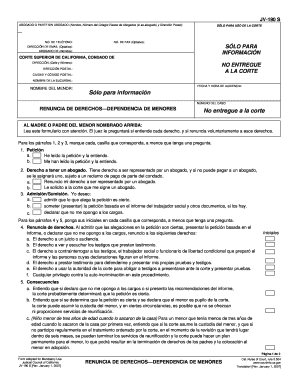
Form JV-592 is utilized by prosecutors seeking permission to access sealed juvenile case files from the judicial council. The primary purpose of this request is to obtain crucial records necessary for disclosing favorable evidence in a related criminal case. The form necessitates detailed information about the juvenile involved, specifics of the case, and the legal justification for requiring access to these sealed files. This legal document underscores the importance of balancing the confidentiality of juvenile records with the necessity of fair trial proceedings in criminal cases.
Key Elements of Form JV-592
The form encompasses several critical components to ensure comprehensive and lawful access to sealed juvenile files. Essential sections include:
- Petitioner Information: Requires the prosecutor's full name, contact details, and official position.
- Juvenile Details: Involves providing the juvenile's name, date of birth, and any known aliases.
- Case Specifics: Necessitates details about the case, including the case number and the court where the case is filed.
- Legal Justification: The prosecutor must articulate the necessity for accessing the sealed files, grounding their request on legal statutes that mandate the disclosure of exculpatory evidence in criminal proceedings.
Steps to Complete Form JV-592
Completing Form JV-592 involves a meticulous process to ensure that all legal and procedural requirements are met:
- Gather Required Information: Collect all pertinent details about the juvenile case, including the case number and involved parties.
- Detail Legal Grounds: Clearly state the legal reasons and statutes supporting the request for access.
- Attach Supporting Documentation: Include essential documents that substantiate the need for accessing the sealed files.
- Review and Sign: Ensure all sections are accurately filled before signing the form.
- File the Form: Submit the completed form to the appropriate judicial entity, ensuring all filing guidelines are followed.
Who Typically Uses Form JV-592
Form JV-592 is predominantly used by prosecuting attorneys involved in criminal cases requiring access to juvenile records. The form serves prosecutors needing to establish a legal basis for reviewing sealed records to uncover evidence that could potentially impact a criminal proceeding. Legal professionals and judicial clerks may also interact with this form during the filing and processing phases.
Legal Use and Compliance
The application of Form JV-592 is strictly regulated under legal statutes governing juvenile record confidentiality. Prosecutors must provide a compelling legal argument, often referencing precedents and statutes, to justify their request. Failure to adhere to the required legal framework for accessing these sealed records can result in the denial of the request or potential legal repercussions for misuse of sensitive information.
Obtaining Form JV-592
Form JV-592 can typically be accessed through the local judicial office or the official website of the judicial council overseeing juvenile cases. Availability may vary based on jurisdiction, and prosecutors may need to verify the specific procedural requirements for their locale.
State-Specific Rules
Though Form JV-592 operates under a similar framework across different jurisdictions, state-specific rules can influence the form's requirements and the adjudication process. Variations may include distinct filing procedures, differences in legal statutes concerning juvenile confidentiality, and unique state precedence regarding the permissible scope of accessing sealed files.
Important Terms and Definitions
Understanding the language associated with Form JV-592 is critical for accurate completion and compliance. Key terms include:
- Exculpatory Evidence: Information that may exonerate the defendant or reduce their culpability.
- Sealed Records: Files that are protected from public access to maintain confidentiality, especially concerning minors.
- Judicial Order: A directive issued by a court granting specific legal permissions or mandates.
Practical Examples of Form JV-592 Use
In a hypothetical case where a prosecutor needs access to juvenile records to uncover potential alibi witnesses, Form JV-592 would be employed to request these records. Another scenario might involve a prosecutor seeking information on past juvenile adjudications that could inform current sentencing or plea negotiations in an adult criminal case.
Important Dates and Deadlines
Timeliness in submitting Form JV-592 is essential. Generally, deadlines are dictated by the procedural rules of the court in which the request is being made. Prosecutors must remain vigilant about filing dates to ensure that their requests are considered in line with trial schedules and procedural timelines.
Form Submission: Methods and Process
Form JV-592 can be submitted through various channels, including in-person filing at the court clerk's office, mail, or electronic submission where available. Each method may have specific requirements, such as notarization or approved electronic signatures, which must be complied with to ensure successful filing.
Eligibility and Approval Time
Only eligible prosecuting attorneys may file Form JV-592. Approval times can vary depending on the court's caseload and the complexity of the request. Typically, the approval process includes a judicial review to ascertain the legitimacy of the request and its alignment with legal standards protecting juvenile confidentiality.