






Definition & Meaning
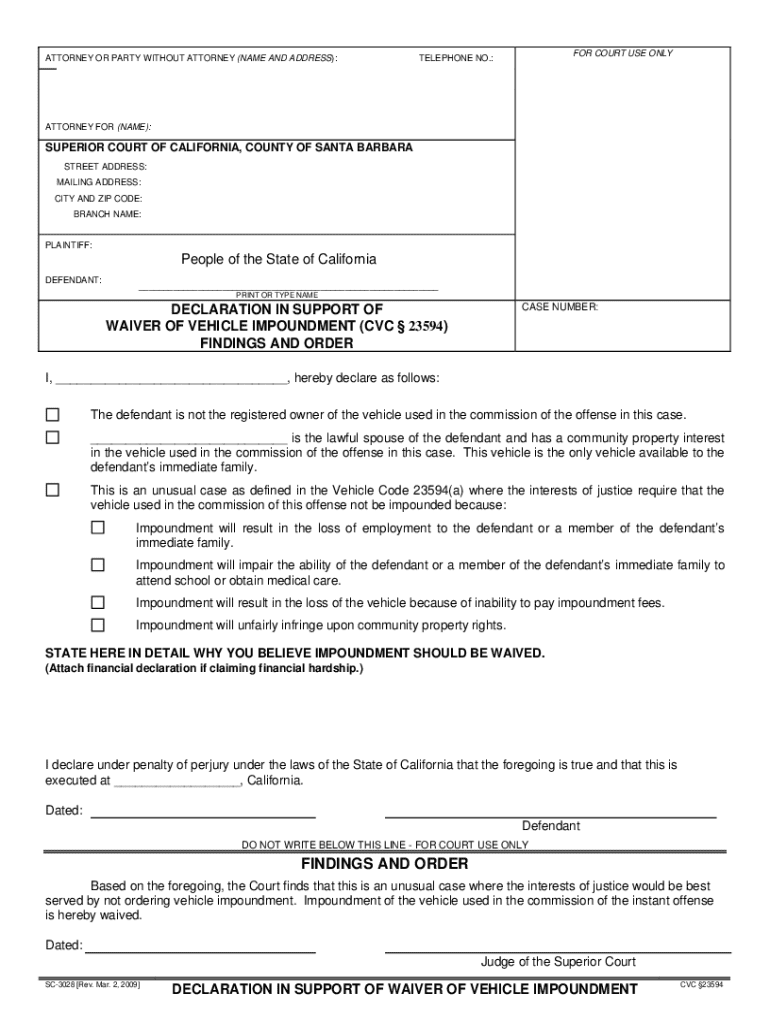
The "Get the free: ATTORNEY FOR (Name): SUPERIOR COURT OF" form is typically a legal document utilized within the U.S. judicial system. Its primary purpose involves designating an attorney to represent a specific case in a superior court, such as the Superior Court of California. This form is significant in legal proceedings, ensuring that proper legal representation is established for the individual involved.
Key Elements of the Form
To successfully complete the "ATTORNEY FOR (Name): SUPERIOR COURT OF" form, certain elements must be carefully filled out:
- Attorney Details: Includes the full name, contact information, and bar number of the attorney.
- Client Information: This section requires the client's full name, address, and relevant contact details.
- Case Information: Detailed information about the case, such as the case number and involved parties, is crucial.
- Authorization Section: The document must clearly state the authorized powers granted to the attorney.
Each of these components ensures that the form is legally sound and meets court requirements.
Steps to Complete the Form
- Gather Required Information: Before completing the form, collect all necessary information about the attorney, client, and case details.
- Fill Out Attorney Details: Enter the complete information of the attorney representing the case.
- Provide Client Information: Include all relevant information about the person being represented.
- Detail Case Information: Accurately note the case number and other essential details of the legal matter.
- Authorization and Signature: Ensure the client signs the form, granting the attorney the power to represent them.
How to Obtain the Form
This form is usually available through the court's official website or can be requested in person at a courthouse. You may also consult legal professionals or firms familiar with court proceedings for assistance in acquiring the form.
How to Use the Form
Once completed, the "ATTORNEY FOR (Name): SUPERIOR COURT OF" can be used to establish legal representation. Present this form to the superior court where the case is filed. It serves as a formal declaration of representation and may be required during hearings or legal procedures to confirm the attorney's authority to act.
Why Should You Use the Form
Using this form is essential for ensuring that an attorney is officially recognized as representing a party in court. This ensures continuity and compliance in legal proceedings, enhancing the possibility of achieving favorable outcomes by having skilled legal counsel.
Legal Use of the Form
The form's legal utilization ensures adherence to due process by formally documenting the appointment of legal representation. It helps in maintaining accurate court records and is a prerequisite in many states for an attorney to act on behalf of a client in superior court matters.
State-Specific Rules
Different states have varied requirements regarding this form. For instance, in California, additional disclosures or filings may be required. Always refer to your state's legal guidelines to ensure compliance with local rules and avoid any potential complications.
Important Terms Related to the Form
Understanding the terminology associated with this form is crucial:
- Represented Party: The client for whom the attorney is acting.
- Authorization: The formal permission granted to the attorney to carry out duties on behalf of the client.
- Bar Number: A unique identifier for lawyers, which must be included to validate the representation.
These terms enhance clarity and ensure that all parties involved understand the entire process.
Form Submission Methods
The completed form can be submitted through various avenues depending on the county and state regulations. Online submissions are becoming more common, but traditional methods such as mail or in-person visits to the court clerk's office remain valid options. Always follow your local court’s submission guidelines.
Penalties for Non-Compliance
Failing to properly utilize or submit the "ATTORNEY FOR (Name): SUPERIOR COURT OF" can result in delays, dismissal of the legal representation, or even sanctions against the attorney or client. It’s crucial to adhere strictly to legal requirements to avoid such penalties.
Who Typically Uses the Form
Legal professionals, clients seeking representation, and court officials frequently use this form. It is especially relevant for anyone involved in superior court cases who needs to establish or clarify legal representation.


Examples of Using the Form
Consider the case of a defendant in California needing representation for a vehicle impoundment waiver. The "ATTORNEY FOR (Name): SUPERIOR COURT OF" form would be used to formally appoint their lawyer, ensuring the court recognizes this representation when arguing under the applicable Vehicle Code.
Understanding the significance and application of this form can streamline legal proceedings and fortify the legal standing of both clients and attorneys.