Hospital menu template 2026

Get Form
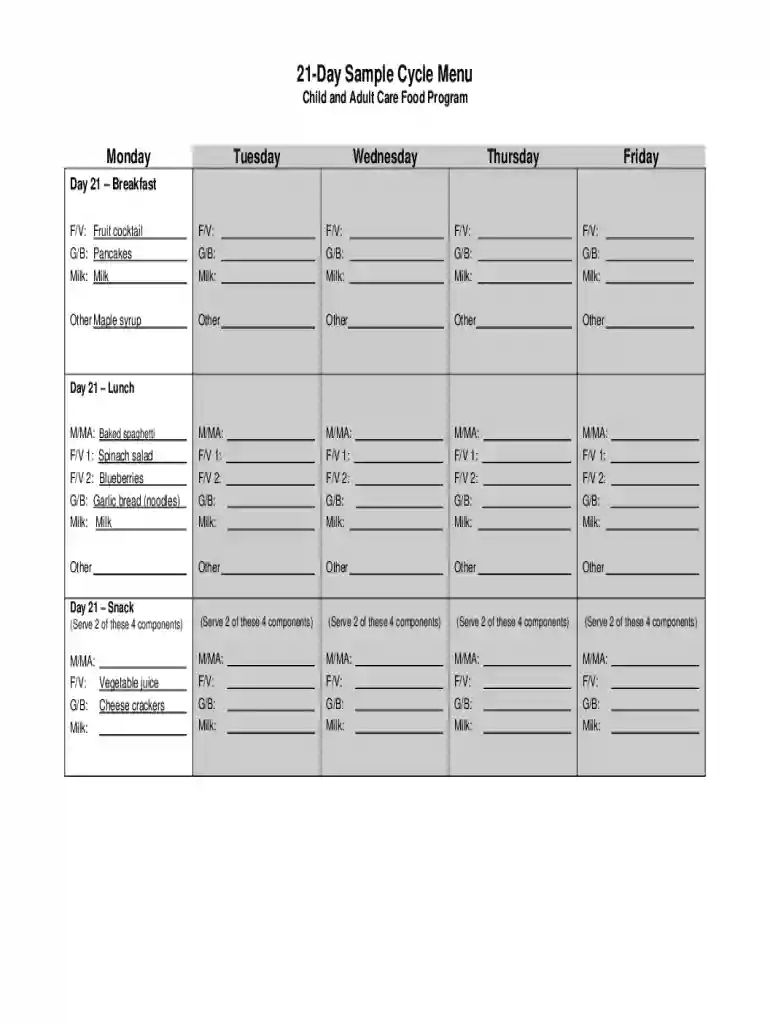
cyclical menu Preview on Page 1

Here's how it works

01. Edit your cyclical menu online
Type text, add images, blackout confidential details, add comments, highlights and more.

02. Sign it in a few clicks
Draw your signature, type it, upload its image, or use your mobile device as a signature pad.

03. Share your form with others
Send cyclical menus via email, link, or fax. You can also download it, export it or print it out.

Definition and Purpose of a Hospital Menu Template

A hospital menu template is a structured guide used by healthcare facilities to organize and present meal options to patients. It outlines daily or weekly meal plans, often accommodating varying dietary needs and restrictions, ensuring that patients receive balanced nutrition while adhering to medical guidelines. This template serves as a critical tool for dietitians and kitchen staff to streamline meal preparation and distribution, promoting efficiency and consistency in patient care.

These templates often reflect the hospital's commitment to offering nutritious and appetizing meals. They consider factors such as portion sizes, nutritional content, and patient preferences. Additionally, they help maintain compliance with healthcare regulations regarding patient nutrition, making them an essential component of hospital administration.

How to Use the Hospital Menu Template

To effectively use a hospital menu template, healthcare professionals should follow a series of structured steps. Initially, dietitians and culinary staff need to review patient dietary needs, considering allergies, specific restrictions, and preferences. Once patient assessments are complete, the menu template can be adapted to cater to individual dietary requirements.

  1. Assess Nutritional Needs: Evaluate each patient's dietary needs, including caloric intake, protein levels, and necessary nutrients.
  2. Design Meals: Use the template to plan balanced meals for each part of the day, ensuring variety and adherence to dietary restrictions.
  3. Incorporate Patient Preferences: Tailor the menu to include patient food preferences, enhancing meal satisfaction.
  4. Daily Review and Adjustments: Regularly update the menu based on changes in patient health or preference feedback.

Steps to Complete a Hospital Menu Template

Completing a hospital menu template involves precise planning and attention to detail. A systematic approach ensures that all dietary requirements are met efficiently.

  1. Gather Patient Information: Collate medical records detailing dietary restrictions and preferences.
  2. Input Standard Menu Items: Begin with a core set of meal options that align with general nutritional guidelines.
  3. Customize for Individual Needs: Adjust the menu template for specific dietary requirements for each patient or group.
  4. Finalize and Distribute Menu: Ensure the menu is reviewed by a dietitian before distributing to kitchen staff and making it available to patients.

Completing this process ensures that the menu is appropriately tailored, offering patients meals that meet both their health and taste needs.

Key Elements of the Hospital Menu Template

A hospital menu template should incorporate several key elements to be effective:

  • Segmented Meal Plans: Clearly divided sections for breakfast, lunch, dinner, and snacks.
  • Nutritional Information: Details on calorie content, protein, carbohydrates, fats, vitamins, and minerals for each meal.
  • Dietary Restrictions: Indications of allergy information, gluten-free, vegetarian, or other dietary considerations.
  • Meal Variations: Options for alternate meals or substitutions to accommodate different patient preferences or restrictions.
  • Portion Sizes: Standardized portion sizes to ensure consistency and control nutritional intake.

Including these components helps ensure the template not only delivers meal variety but also adheres to health and safety regulations.

Who Typically Uses the Hospital Menu Template

Hospital menu templates are primarily used by:

  • Dietitians: They design and supervise the nutritional quality of the meals to meet patient health requirements.
  • Kitchen Staff: These individuals utilize the templates to prepare and serve meals accurately according to dietary guidelines.
  • Healthcare Administrators: Administrators ensure that the menus comply with healthcare standards and improve operational efficiency.
  • Patients and Family Members: Often review the templates to understand meal options and provide feedback or special requests.

These users rely on the hospital menu template to deliver appropriate nutrition while meeting practical demands of healthcare service delivery.


decoration image ratings of Dochub

Examples of Using the Hospital Menu Template

In practice, hospital menu templates can be adapted to various scenarios:

  • Standard Patient Meals: Templates often cater to an average patient's needs, including typical low-sodium or heart-healthy options.
  • Special Diets: Specialized templates might be used for diabetic patients, offering meals with controlled carbohydrate content.
  • Cultural Preferences: Templates can incorporate cultural or religious dietary needs, such as kosher or halal meal options.
  • Temporary Diet Adjustments: Examples include post-operative diets focusing on liquids or soft foods.

These scenarios demonstrate the template's adaptability in addressing diverse patient needs, supporting their overall healthcare experience.

State-Specific Rules for Hospital Menu Templates

Different states may have unique regulations impacting hospital menu templates. These rules often arise to ensure patient safety and nutritional adequacy:

  • Nutritional Compliance: Many states mandate specific nutritional standards for meals served in hospitals, requiring detailed caloric and nutritional reporting.
  • Labeling Requirements: State laws may require clear labeling of allergens or dietary categorizations, such as 'gluten-free' or 'vegan.'
  • Health Department Reviews: In some states, hospital menus might undergo periodic assessment by health departments to ensure compliance with public health standards.

Understanding state-specific rules ensures that hospital menu templates remain compliant and effective across various jurisdictions.

Legal Use of the Hospital Menu Template

Hospital menu templates must adhere to several legal considerations to ensure compliance with healthcare regulations:

  • Patient Rights: Respect for patient preferences and restrictions as part of informed consent for nutrition.
  • Labeling Laws: Compliance with federal and state laws regarding accurate food labeling and nutritional disclosure.
  • Data Protection: Safeguarding patient dietary information in compliance with HIPAA regulations to ensure privacy.

Legal compliance not only protects patients but also shields healthcare facilities from potential litigation associated with non-compliance.

be ready to get more

Complete this form in 5 minutes or less

Get form

Security and compliance

At DocHub, your data security is our priority. We follow HIPAA, SOC2, GDPR, and other standards, so you can work on your documents with confidence.

Learn more
ccpa2
pci-dss
gdpr-compliance
hipaa
soc-compliance