




Definition & Meaning
Low-Income Home Energy Assistance Program (LIHEAP) - Iowa is a federally funded initiative designed to assist low-income households in meeting their immediate energy needs. It specifically aims to reduce the financial burden of energy bills for eligible families and individuals, ensuring that they can maintain essential heating and cooling in their homes. In Iowa, the program provides direct financial grants, energy crisis assistance, and weatherization support, which help to protect vulnerable residents from extreme weather and reduce long-term energy costs.
Purpose and Goals
LIHEAP - Iowa's primary goal is to assist low-income residents by alleviating heating and cooling costs, especially during peak weather conditions. This aid is crucial for preventing energy shutoffs and supporting participation in energy efficiency measures. By extending financial relief, the program helps promote a safer and healthier living environment, reducing the risk of heat stress, hypothermia, and other energy-related health issues.
Eligibility Criteria

Income Requirements
Eligibility for LIHEAP - Iowa is largely determined by the household's income level. Generally, applicants must have an income at or below 150% of the federal poverty guideline. However, the specifics can vary, so it is important for applicants to check the current income limits set by the state for accurate eligibility assessment.
Residency and Citizenship
Applicants must be permanent residents or citizens of the United States and demonstrate residency within Iowa. Proof of residency can typically include utility bills, a state ID, or any official mail indicating the applicant's current address.
Special Considerations
Certain groups, such as households with young children, elderly, or disabled members, may receive priority consideration. This is due to their increased vulnerability to extreme temperatures and higher energy costs.
How to Obtain the Low-Income Home Energy Assistance (LIHEAP) - Iowa
Application Process
- Research and Preparation: Interested individuals should first gather relevant information and documents necessary for application, such as proof of income, residency, and household composition.
- Contact Local Office: Applicants must contact their local community action agency, which administers the LIHEAP program in Iowa, to schedule an application appointment.
- Submit Application: During the appointment, applicants submit their completed applications along with required documentation. Guidelines for submission are typically provided by the administering agency.
Application Timing
The program operates on a seasonal basis, with applications generally accepted in the fall for assistance during the heating season and in the spring for cooling assistance. It's important to apply early, as funds are limited and awarded on a first-come, first-served basis.
Steps to Complete the Low-Income Home Energy Assistance (LIHEAP) - Iowa
- Gather Necessary Documents: Collect documents such as proof of income, utility bills, identification, and proof of residency.
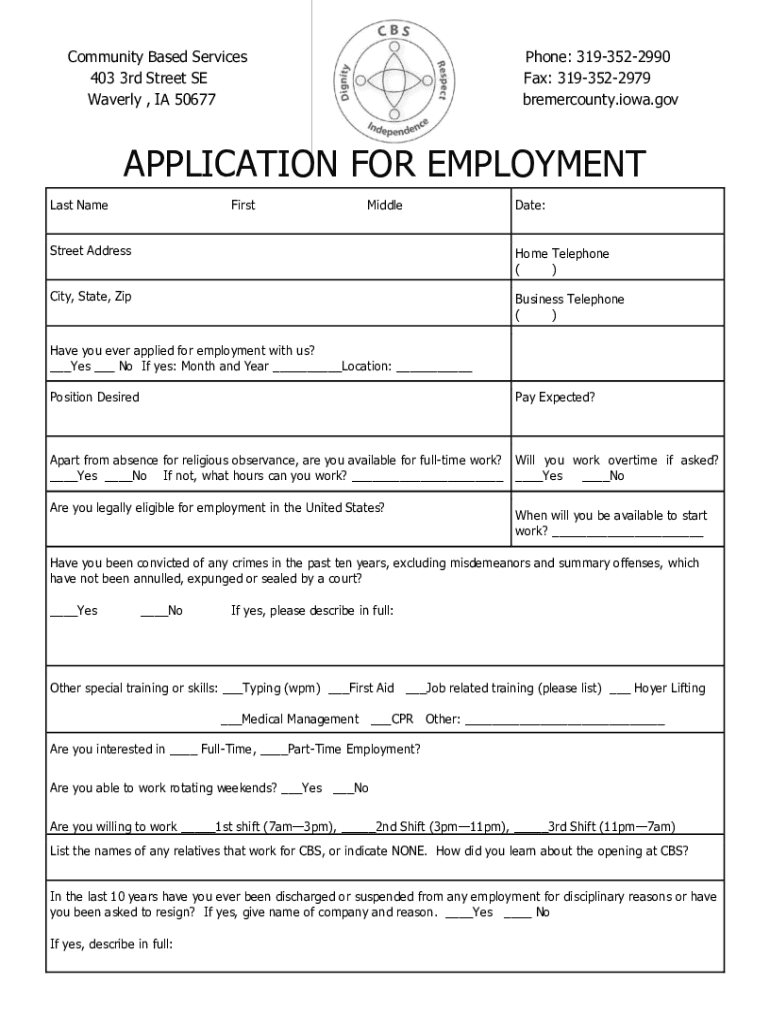
- Fill Out the Application Form: Either complete the form online, download and fill it out, or do so at the local community action agency.
- Submit the Application: Hand over the completed application and supporting documents to your local agency, either in person or via mail, depending on the agency's instructions.
- Attend an Interview: Some agencies may require an in-person or phone interview to verify details.
- Wait for Approval: After submission, applicants will receive a notification of acceptance or denial. If approved, they will be informed about the grant amount and how it will be applied to their utility accounts.
Key Elements of the Low-Income Home Energy Assistance (LIHEAP) - Iowa
Types of Assistance Provided
- Bill Payment Assistance: Direct financial grants to help pay energy bills.
- Energy Crisis Target: Emergency aid for households facing immediate energy shutoffs.
- Weatherization Services: Improvements to homes for better energy efficiency, such as insulation and furnace repair.
Reporting and Accountability
Applicants are required to provide truthful and accurate information to avoid penalties. Any discrepancies or fraudulent reporting can lead to a denial of benefits or repayment of funds received.
Required Documents
- Proof of Income: Recent pay stubs, unemployment benefits documentation, or tax returns.
- Identification: State ID, driver's license, or birth certificate.
- Proof of Residency: Utility bills, lease agreements, or any official mail.
- Household Information: Details about household members, including ages and relation to the applicant.
Important Terms Related to Low-Income Home Energy Assistance (LIHEAP) - Iowa
Definitions and Clarifications
- Federal Poverty Guideline: A measure defining income eligibility based on household size.
- Weatherization: Home improvements aimed at reducing energy consumption.
- Community Action Agency: Local entities responsible for administering LIHEAP funds and services.
Common Misunderstandings
- Temporary Assistance: While immediate help is provided, LIHEAP is not a continuous subsidy but an annual support measure.
- Household Size: Accurately report all members residing in the home, as this affects eligibility and grant amounts.
State-Specific Rules for LIHEAP - Iowa
Variations Across Counties
Different counties may offer additional local services or implement the program slightly differently. Verify with the community action agency in your area to understand any county-specific arrangements or auxiliary assistance options.
Iowa Regulations
Iowa-specific regulations ensure state funds are used efficiently in conjunction with federal allocations. The state may have unique policies regarding crisis intervention and special provisions for the most vulnerable populations.