Definition & Meaning
The "paying guest admission form format" is a standardized layout used to collect essential information from individuals seeking admission as paying guests in accommodation facilities such as hostels, guest houses, or residential properties. This format ensures systematic data collection and helps maintain records for both administrative and security purposes. Typically, the form includes sections for personal details, duration of stay, and reasons for accommodation, providing a comprehensive overview of the guest's profile.
Key Elements of the Paying Guest Admission Form Format
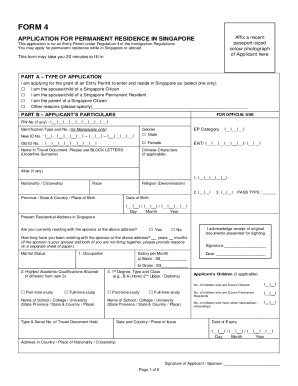
The form format includes several critical components to effectively capture and organize guest information:
- Personal Details: Includes fields for the guest's full name, age, gender, and contact information.
- Duration of Stay: Specifies the anticipated start and end date of the guest's stay.
- Purpose of Visit: Requests details on why the guest is seeking accommodation, whether for work, study, or leisure.
- Accommodation Preference: Offers options for room type and any specific facilities required by the guest.
- Emergency Contact: Collects contact details for someone who can be reached in case of an emergency.
How to Use the Paying Guest Admission Form Format
Once received, the form should be completed by the prospective guest or their guardian. Here are steps to effectively use the form:
- Gather Necessary Information: Ensure all personal details, intended stay duration, and purpose are at hand before completing the form.
- Accurate Entry: Fill in each section with precise information, avoiding any ambiguity.
- Review: Double-check all entered data to prevent errors or omissions.
- Submit the Form: Provide the completed form to the administrative office or property manager through the preferred submission method.
Steps to Complete the Paying Guest Admission Form Format
Understanding and filling out the paying guest admission form efficiently can be streamlined with a step-by-step approach:
- Start with Personal Information: Enter full name, date of birth, and contact details in the designated fields.
- Specify Duration of Stay: Clearly state your intended dates of arrival and departure.
- Detail the Purpose of Stay: Provide information on the purpose of your visit and any relevant background.
- Choose Accommodation Preferences: Select from available options pertaining to room choices or required facilities.
- Fill out Emergency Contacts: Provide at least one emergency contact with phone number and relation.
- Finalize and Submit: Review all entries for accuracy and submit the form according to guidelines provided by the host facility.
Who Typically Uses the Paying Guest Admission Form Format
The form is primarily utilized by:
- Students: Enrolling in local universities or professional courses, needing temporary lodgings.
- Working Professionals: Relocating for short-term projects or assignments.
- Tourists and Travelers: Seeking extended stays in local areas.
- Hostel Owners: Using the form to organize and manage guest admissions efficiently.


Important Terms Related to Paying Guest Admission Form Format
Understanding specific terms found in the form can facilitate better completion:
- Term of Stay: Refers to the time duration the guest intends to stay.
- Accommodation Type: Denotes the type of lodging or room preference.
- Emergency Contact: A person who can be contacted in urgent situations relating to the guest.
- Signature of Applicant: Confirms the authenticity and consent of the information provided by the guest.
Legal Use of the Paying Guest Admission Form Format
It’s vital to ensure legal compliance when using this form. This includes:
- Consent and Privacy: Ensure that guests are aware of how their data will be used and stored.
- Compliance with Local Laws: Different states may have varying requirements for guest record maintenance.
- Data Protection: Secure storage and restricted access to personal information to comply with privacy laws.
Examples of Using the Paying Guest Admission Form Format
Examples of situations where this form is applicable include:
- University Accommodation: Aligning student records with hostel management systems.
- Corporate Housing: Facilitating the administrative process for employees undertaking business travel.
- Residential Settings: Organizing lodgers' information for property managers or landlords.
Each use case may require slight modifications to the format to fit specific regulatory or institutional requirements, thereby ensuring comprehensive data capture and compliance.