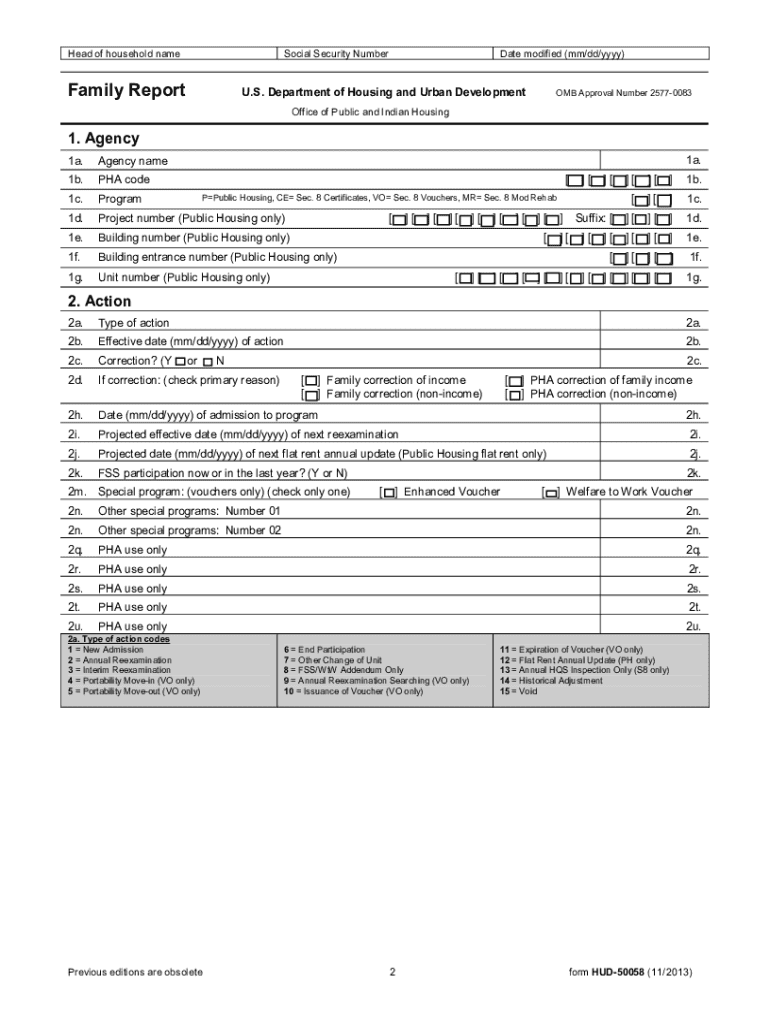







Definition and Meaning of "Form Online"
The term "form online" refers to digital versions of traditional paper forms that can be accessed, filled out, and submitted using electronic devices via the internet. This method allows individuals and organizations to manage form-related tasks more efficiently by reducing physical paperwork and facilitating data entry and submission. Online forms can be used across various sectors, including government, healthcare, business, and education, allowing for a versatile application in collecting and processing information.
Benefits of Online Forms
- Efficiency: Filling out forms online streamlines processes by minimizing the time needed for data collection and entry.
- Accessibility: Online forms are accessible from any location with internet connectivity, supporting remote submission and completion.
- Security: Digital forms often come with enhanced security features, ensuring data is protected during transmission and storage.
Types of Online Forms
- Registration: Used for events, services, or memberships.
- Application: Job applications, university admissions, and more.
- Survey and Feedback: Gather feedback or conduct research.
- Order Forms: E-commerce transactions or service bookings.
How to Use Forms Online
The process of using forms online generally involves several steps to ensure that users can effectively fill out and submit their required information. Understanding these steps can significantly enhance the user experience.
-
Accessing the Form: Users typically access online forms via direct links sent through email, accessed from a website, or integrated within specific platforms such as DocHub.
-
Filling Out the Form: Interactive fields in the form guide users to input data correctly. This can include text fields for responses, checkboxes, drop-down lists, and required fields that need completion before submission.
-
Reviewing the Form: Once the data is entered, users should review the information for accuracy and completeness to avoid errors or omissions.
-
Submitting the Form: After ensuring the form is correctly filled, users can submit it online, often receiving a confirmation message or email upon successful submission.
Error Handling
- Users are commonly alerted to errors or missing information before they can submit the form.
- Systems often highlight incorrect fields or show pop-up messages to guide users.
Steps to Complete Forms Online
Completing a form online can vary slightly depending on the specific platform used but generally involves a few essential steps.
-
Navigate to the Form: Whether through a hyperlink, platform like DocHub, or embedded webpage, the first step is to navigate to the form.
-
Enter Personal Information: Input basic data such as name, address, and contact information as required.
-
Provide Details: Depending on the form nature, detailed information such as income, education, specific preferences, and attachments may be required.
-
Review and Edit Entries: Double-check the provided details for potential discrepancies or spelling errors before moving to the submission phase.
-
Digital Signature: Some online forms require electronic signatures. Platforms like DocHub make this step easy, with options to draw, type, or upload a signature.
-
Submit the Form: Finalize by officially submitting the form through the designated button, usually followed by a thank you or confirmation page.
Examples of Platforms for Completing Forms
- DocHub: Supports annotations, signature capture, and cloud integration.
- Google Forms: Suitable for surveys and simple data collection.
- Adobe Acrobat: Used for filling, signing, and managing PDFs.
Key Elements of Online Forms
Online forms typically include several critical elements to facilitate data collection and ensure form usability.
Main Elements
- Text Fields: Standard areas for inputting short or long text responses.
- Checkboxes and Radio Buttons: Allow users to select one or more options from a list.
- Drop-Down Menus: Provide a list of options in a compact format.
- Submit Button: A clickable button for final submission of the completed form.
Advanced Features
- Validation Rules: Ensure data accuracy by checking the format or required fields before submission.
- Conditional Logic: Certain fields appear based on previous responses, keeping the form dynamic and relevant.
- Auto-Fill Options: Enables automatic completion of fields using stored user data to enhance efficiency.
Legal Use of Online Forms
Online forms can be utilized for various legal purposes, offering a streamlined method to fulfill legal documentation requirements. For these forms to adhere to legal standards, specific criteria must be met.
Compliance Standards
- Digital Signatures: Must comply with legal frameworks such as the ESIGN Act in the United States to ensure validity and enforceability.
- Data Privacy: Compliance with privacy laws like GDPR or CCPA is crucial to protect user information.
Common Legal Use Cases
- Contract Agreements: Electronic forms can serve as legally binding contracts once signed.
- Consent Forms: Used in healthcare or research settings to obtain participant consent.
- Tax Filings: Various IRS forms can be completed and submitted online, simplifying the tax process.
Form Submission Methods
Understanding different submission methods for online forms can optimize their utility and versatility.
Traditional vs. Digital
- Online Submission: The most efficient method, offering instant delivery and confirmation.
- Mail Submission: Some scenarios still require physical copies, especially for legal documents needing wet signatures.
- In-Person Submission: Used for cases requiring personal verification or additional documentation.
Pros and Cons
- Pros of Online Submission: Instant confirmation, reduced paperwork, improved accuracy.
- Cons of Online Submission: Requires internet access, potential technical issues.
Platforms and Tools
- DocHub: Integrates secure submission features with real-time synchronization for collaborative inputs.
- Adobe Sign: Offers digital signing and form submission.
Software Compatibility for Forms
Using online forms with the right software can enhance the ease of access, editing, and submission processes.
Compatible Tools
- DocHub: Seamlessly integrates with Google Workspace, allowing users to import and export documents effortlessly.
- TurboTax: Ideal for tax forms, offering guidance and submission options tailored to financial data.
- QuickBooks: Useful for business-related forms, providing an interface for managing financial documents.
Benefits of Compatibility
- Seamless Integration: Reduces the need for manual upload or download of documents.
- Improved Productivity: Streamlines data management and ensures timely completion of tasks.
Examples of Using Forms Online
Real-world examples demonstrate the diverse applicability and benefits of forms online:
- Government Agencies: The IRS e-file system allows individuals to file taxes online, expediting refund processes.
- Business Contracts: Many businesses use DocHub to send and receive electronic contracts, making negotiations faster and more secure.
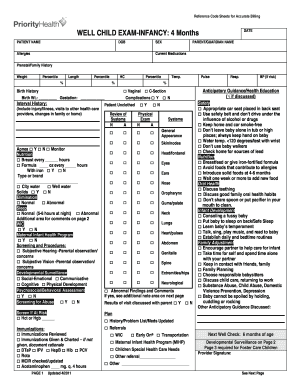
- Healthcare: Patient intake forms are completed online before visits, minimizing wait times and improving patient experience.
Conclusion
These examples illustrate the flexibility and effectiveness of online forms in various sectors, underscoring their essential role in modern digital workflows.