Definition & Meaning
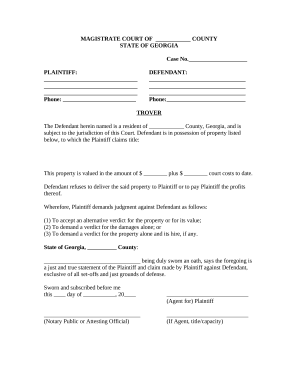
The "PDF Summons (To be served outside Utah) - Utah Courts" refers to a specific legal document used in the legal process initiated within the Utah judicial system. This document serves as formal notification to a party outside the state of Utah that they are required to respond to a legal proceeding initiated against them. The summons typically outlines the nature of the lawsuit or legal action, detailing the claims made by the plaintiff and specifying the timeframe within which the recipient must respond to avoid a default judgment. The importance of this summons lies in providing the non-resident respondent with an understanding of the legal obligations and implications of the case.
How to Use the PDF Summons (To be served outside Utah) - Utah Courts
To effectively utilize the PDF Summons designed for service outside Utah, follow these general guidelines:
-
Ensure Proper Completion: Verify that all sections of the summons form are accurately completed, including details like the parties involved, the case number, and the specific court jurisdiction.
-
Attach Relevant Documents: Include necessary legal documents like the complaint or petition that provides detailed explanations of the case alongside the summons.
-
Understand Serve Procedures: Follow the procedures for serving legal documents outside Utah, which may involve using a professional process server or legal courier services to ensure legal compliance.
-
Adhere to Deadlines: Confirm that the summons is served within the timeframe specified by Utah courts to avoid possible delays or dismissal due to improper service.
Steps to Complete the PDF Summons (To be served outside Utah) - Utah Courts
Completing the summons requires attention to detail and adherence to specific legal protocols:
-
Fill Out Identifying Information: Begin by entering accurate case-related information, including the names of the plaintiff(s) and defendant(s), case number, and court details.
-
Drafting the Summons Content: Clearly articulate the purpose of the summons, specifying the nature of the legal action and corresponding obligations of the recipient.
-
Designate Response Requirements: Clearly state the required action from the recipient, such as the timeframe to file an answer or any other preliminary legal step they need to take.
-
Include Contact Information: Provide contact details for further inquiries or submissions, including the addresses of involved legal representatives or court offices.
-
Review for Accuracy: Thoroughly review the completed form to ensure all information is accurate and legible, thus avoiding any miscommunications or procedural issues.
Who Typically Uses the PDF Summons (To be served outside Utah) - Utah Courts
The primary users of the "PDF Summons (To be served outside Utah) - Utah Courts" are:
-
Utah Courts: As the originating body, Utah courts issue this summons to inform and involve parties residing outside the state in legal proceedings.
-
Attorneys and Legal Representatives: These professionals use the summons to formally notify the opposing party of legal actions within Utah jurisdiction.
-
Individuals Involved in Cross-Jurisdictional Cases: Plaintiffs or defendants, particularly those involved in family law cases like custody or name changes, often utilize this summon when cross-state legal matters arise.

Legal Use of the PDF Summons (To be served outside Utah) - Utah Courts
The legal use of this summons involves specific guidelines:
-
Notification of Legal Duty: It establishes a legal obligation for parties outside Utah to respond to the lawsuit, thereby participating in the judicial process.
-
Ensures Due Process: By formally notifying all parties, it ensures that the respondent has a fair opportunity to present their case, in line with due process requirements.
-
Outlines Jurisdictional Reach: Demonstrates the Utah court's ability to exert jurisdiction over non-resident parties concerning specific legal issues.
Key Elements of the PDF Summons (To be served outside Utah) - Utah Courts
Important elements represented in the summons include:
-
Court Details: Identifying the specific Utah court overseeing the legal process.
-
Case Number: A unique identifier used to track and manage the case within the court system.
-
Response Timeframe: A clearly defined period within which the respondent must act to participate in the legal process.
-
Legal Consequences: Explanation of potential legal repercussions, such as default judgment for non-compliance.
State-Specific Rules for the PDF Summons (To be served outside Utah) - Utah Courts
State-specific rules impacting the use of this summons involve:
-
Compliance with Utah Statutes: Adhering to Utah's unique procedural statutes which govern how legal processes are conducted.
-
Service Across State Lines: Addressing interstate service rules, which ensure recognized legal processes are respected across state boundaries.
-
Uniformity with National Protocols: Balancing Utah-specific rules with national procedural protocols for interstate legal actions.
Examples of Using the PDF Summons (To be served outside Utah) - Utah Courts
Illustrations of typical scenarios include:
-
Out-of-State Custody Disputes: Serving a parent residing outside Utah in parental rights or custody-related court proceedings.
-
Cross-Jurisdictional Business Disputes: Notifying a non-resident business entity involved in a commercial dispute adjudicated by Utah courts.
-
Interstate Property Settlement Cases: Involves legal notifications where property or assets are contested between parties residing in different states.
Penalties for Non-Compliance
Failing to respond to the summons within the specified timeframe can lead to serious legal consequences:
-
Default Judgment: The court may grant a default judgment against the non-responding party, automatically ruling in favor of the plaintiff's claims without further input from the defendant.
-
Loss of Legal Rights: The respondent's ability to contest the claims or defend their position in court may be forfeited, impacting the outcome significantly.
-
Financial Repercussions: Monetary penalties or obligations could be imposed, based on the uncontested allegations within the suit.
Form Submission Methods (Online / Mail / In-Person)
Various submission methods ensure procedural flexibility:
-
Online Portal: Many Utah legal systems provide electronic submission methods via secure court portal systems for efficient filing.
-
Traditional Mail: Documents can be mailed to the respective parties when electronic means are unavailable or inappropriate.
-
In-Person Delivery: For certain cases, personal delivery via certified couriers or process servers aligns with strict legal requirements.
Important Terms Related to PDF Summons (To be served outside Utah) - Utah Courts
Key terminologies include:
-
Plaintiff and Defendant: The initiating party versus the party required to respond to the legal claim.
-
Default Judgment: A ruling in favor of one party due to the other party’s failure to take required legal actions.
-
Jurisdiction: The legal authority or extent within which Utah courts may exercise their powers concerning individuals or entities involved in the lawsuit.