






Definition & Meaning
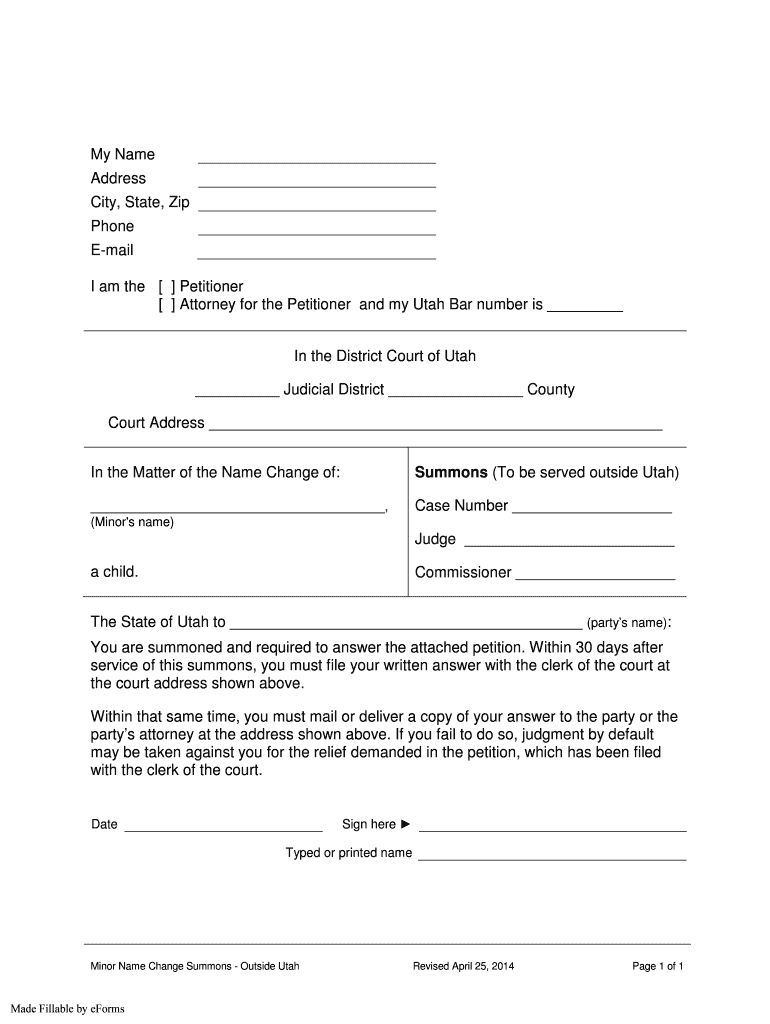
The phrase "My Name Address City, State, Zip Phone E-mail I am the" typically represents a placeholder used in forms or documents where personal identification and contact information is required. This placeholder guides individuals in providing essential details like their name, residential address, city, state, zip code, phone number, and email address. It's commonly used in documents requiring a formal disclosure of identity, contact information, and possibly a declarative statement, such as "I am the authorized representative."
Steps to Complete the Form
-
Provide Personal Information: Start by entering your full name as recorded in your official documents. Make sure to spell everything correctly to match IDs or official records.
-
Enter Address: Include your current residential address accurately. Use the standard format: street address, city, state, and zip code.
-
Add Contact Details: Provide a valid phone number and an email address that you frequently use, ensuring they are current for correspondence.
-
Complete Declarative Section: Clarify the context in which you are completing the form by completing the phrase with appropriate declarations relevant to the specific document.
Important Considerations
- Double-check all entries for accuracy.
- Ensure that all information aligns with legal documents to avoid discrepancies.
- If completing online, use secure networks to protect sensitive information.
How to Use "My Name Address City, State, Zip Phone E-mail I am the"
Using a form that utilizes this placeholder is generally straightforward. Begin by carefully reading the context to determine the specific declarations required. Typically, forms like these are used in process-driven activities, such as legal submissions, job applications, or membership registrations.
Tips for Effective Use
- Understand the Purpose: Determine what the document seeks to accomplish, allowing you to fill in the details accurately.
- Avoid Ambiguities: Clearly define your role by completing the phrase "I am the" with the most suitable descriptor such as applicant, guardian, manager, or other relevant terms.
- Check for Mandatory Fields: Verify which parts of the form are compulsory to ensure comprehensive completion.
Legal Use of the Form
Using the placeholder information in legal forms requires heightened scrutiny to maintain compliance. Ensure that the form aligns with legal stipulations prevalent within your jurisdiction, particularly if it's part of a legal procedure such as a name change, business registration, or court submission.
Considerations
- Jurisdictional Compliance: Verify that the form complies with state laws where applicable, especially if the document affects legal standing.
- Secure Authentication: Use reliable methods to authenticate your submissions, such as digital signatures or notarization if required.
Who Typically Uses the Form
Such forms are often used by individuals and organizations requiring structured self-identification for documentation. This includes:
- Individuals: Filling personal data for applications, registrations, or legal procedures.
- Businesses: Representatives submitting corporate documents or filings.
- Legal Entities: Lawyers, judges, or agents completing procedural documents.


Key Elements of the Form
The form is designed to collect primary identification and contact information required for various purposes. Its key components include:
- Personal Identification: Full name and residential information.
- Contact Information: Phone number and email details.
- Statement of Role: Completing "I am the" with a role-specific declaration.
Practical Advice
- Use a legible format, particularly if submitting a handwritten version.
- Ensure consistent use of contact details across different forms for traceability.
Important Terms Related to the Form
When utilizing such forms, understanding the following terms is crucial:
- Placeholder: A reference indicating where specific information is to be filled.
- Declarative Statement: The phrase "I am the" necessitates completion with an appropriate declaration of identity or role.
- Contact Information: Includes phone number and email, which are critical for follow-up or verification processes.
Digital vs. Paper Versions
Increasingly, digital versions are favored for their accessibility and ease of use. This form's compatibility with online platforms allows for seamless digital submission:
- Benefits of Digital Forms:
- Speed of submission and validation
- Automated error checking
- Easy integration with databases and document management systems
Considerations for Digital Use
- Compatibility with document editing programs or platforms like DocHub.
- Secure submission protocols to protect personal data integrity.