01. Edit your form online
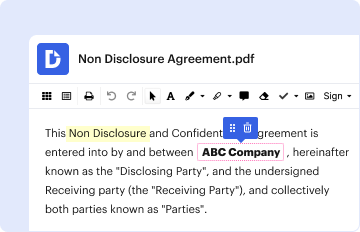
Type text, add images, blackout confidential details, add comments, highlights and more.

Type text, add images, blackout confidential details, add comments, highlights and more.
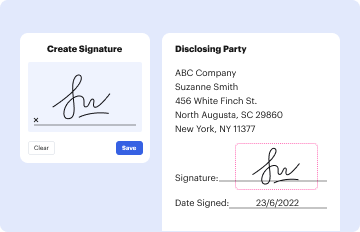
Draw your signature, type it, upload its image, or use your mobile device as a signature pad.

Send it via email, link, or fax. You can also download it, export it or print it out.
The Consumer Registration Agreement for the Montana End-of-Life Registry is designed to allow individuals to register their advance directives with the Montana Department of Justice. This agreement ensures that vital healthcare decisions are accessible when needed, especially in end-of-life scenarios. By participating in this registry, individuals can securely store, replace, or remove these directives, ensuring that their healthcare preferences are respected and adhered to during critical moments.
The agreement facilitates a centralized repository where registered individuals can manage their healthcare directives. This service is crucial for making informed decisions available to authorized healthcare providers and family members, thereby preventing any ambiguity in medical care preferences.
You can obtain the Consumer Registration Agreement from the Montana Department of Justice's Office of Consumer Protection. This form is available both online and at designated state offices. For those preferring a digital approach, the Montana Department of Justice’s website provides a downloadable PDF version. Alternatively, if visiting in person, the form can be requested at the Office of Consumer Protection located in Helena, Montana.
Completing the Consumer Registration Agreement requires careful attention to detail to ensure all necessary information is accurately presented:
The agreement contains several critical components:
Understanding these elements is crucial for a smooth registration process, ensuring your healthcare preferences are respected.
The Consumer Registration Agreement serves not only as a legal instrument but as a practical tool for managing end-of-life healthcare preferences. It ensures:
Typically, this agreement is used by:


Montana has unique considerations related to end-of-life decision-making, which are addressed in the Consumer Registration Agreement:
Understanding these specifics is essential for ensuring that your directives are both comprehensive and legally enforceable.
These terms form the foundation of understanding how the Consumer Registration Agreement operates within the legal landscape of Montana.
While focusing on ensuring that your form reaches the appropriate department securely, consider these submission methods:
Choosing the right submission method based on your convenience and comfort can enhance the registration process's efficiency and security.
Beyond the Consumer Registration Agreement, ensure the inclusion of:
These documents support the registration process, ensuring that your directives are comprehensive and enforceable.
We've got more versions of the Consumer Registration Agreement - Montana Department of Justice - doj mt form. Select the right Consumer Registration Agreement - Montana Department of Justice - doj mt version from the list and start editing it straight away!
| Versions | Form popularity | Fillable & printable |
|---|---|---|
| 2011 | 4.8 Satisfied (81 Votes) |
At DocHub, your data security is our priority. We follow HIPAA, SOC2, GDPR, and other standards, so you can work on your documents with confidence.