Understanding DAAS 6218
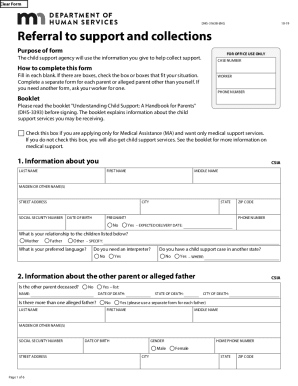
DAAS 6218 is a form used primarily in the realm of adult services, specifically focused on intake and inquiry processes. The form's intent is to systematically collect and organize information regarding new referrals to adult services. This includes capturing crucial data on client identification, contact type, the presenting issues, expectations for services, and environmental assessments. In the context of document management systems like DocHub, DAAS 6218 forms can be digitized, annotated, signed, and securely stored.
How to Use DAAS 6218
Using DAAS 6218 involves a step-by-step process that starts with gathering comprehensive client information. Users should ensure that all mandatory fields are completed accurately. This might include:
-
Identify Referral Source:
- Document the agency or individual who initiated the referral.
- Capture any previous interactions with the agency if applicable.
-
Client Information:
- Record the client’s full name, address, and contact information.
- Input details like age, gender, and any specific demographic information needed.
-
Presenting Problems:
- Detail the main issues or reasons for the referral.
- Include symptoms or conditions observed or reported.
-
Client Environment:
- Assess potential dangers in the client’s environment.
- Document any situational factors affecting service delivery.
Obtaining DAAS 6218
The form can typically be obtained from state or local government websites dedicated to adult services and welfare. In a digitized workflow environment, one might also download it directly through platforms like DocHub, which provides easy imports from cloud services such as Google Drive or Dropbox. Having electronic access and the ability to fill it out digitally streamlines the onboarding process for both provider and client.
Steps to Complete DAAS 6218
- Fill in Basic Details:
- Begin with the top section, capturing identification and referral data.
- Presenting Issue Documentation:
- Clearly describe the problems being addressed.
- Service Expectations:
- Define the services expected or required based on the initial inquiry.
- Assessment of Involvement:
- Include levels of involvement from the client and family.
- Environmental Factors:
- Articulate any issues that might impact the client or service delivery.
- Disposition and Actions:
- Document actions taken or proposed following the intake.
Why Should You Use DAAS 6218
DAAS 6218 is crucial for standardizing the intake process within adult services. It ensures consistent data capture across different cases and service providers, helping facilitate accurate and efficient service delivery. The form also aids in maintaining a comprehensive case history that can be critical for future decision-making and service evaluations. It enhances transparency, accountability, and communication among professionals involved in client care.
Individuals Who Typically Use DAAS 6218
The form is most commonly used by social workers, case managers, and other human service professionals within state or municipal departments. These roles require individuals to assess client needs and link them with appropriate services, making the DAAS 6218 form a fundamental tool for organizing and reviewing client information systematically.
Key Elements of DAAS 6218
- Client Identification: Accurate details including name, age, and contact information.
- Referring Agency Contact: Information on the agency making the referral.
- Presenting Problems: Description of the client's issues or needs.
- Environment Assessment: Any situation factors or immediate dangers.
- Action Taken: Documented steps or recommendations post-intake.
Legal Use of DAAS 6218
The form helps fulfill legal documentation requirements during adult service intake processes. Information collected must be kept confidential and handled per government regulations regarding privacy and data protection. In the U.S., this aligns with HIPAA guidelines for handling sensitive information related to health and social care.
Examples of Using DAAS 6218
- Case Study One: A social worker in New York utilizes DAAS 6218 to document a new client referral dealing with domestic abuse, capturing contact details, the nature of the emergency, and recommended interventions.
- Case Study Two: A case manager in California applies the DAAS 6218 for a senior citizen requiring in-home care, noting environmental hazards and the level of care necessary.
In each example, digital tools like DocHub could enhance efficiency by allowing for easy editing, form filling, and secure online sharing of the completed report with authorized personnel.