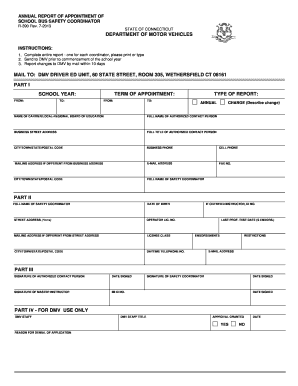
Definition and Purpose of the Hospital Referral Form
The Hospital Referral Form, specifically provided by NYC gov, is a standardized document used to facilitate the process of referring patients from one healthcare provider to another. It serves to ensure the continuity of care by allowing medical professionals to communicate essential information about a patient's health condition, treatment history, and care requirements to the receiving facility or specialist. This form is vital in ensuring that all relevant details are accurately conveyed, thereby reducing misunderstandings and ensuring that the patient receives appropriate follow-up care.
How to Use the Hospital Referral Form
To use the Hospital Referral Form, healthcare providers must first ensure they have the latest version issued by NYC gov. The process involves several steps:
- Patient Information Entry: Begin by filling out the patient's personal and medical details, including their full name, date of birth, and contact information.
- Medical History Overview: Document the patient's medical history, including current and past medical conditions, medications, and any known allergies.
- Referral Details: Clearly state the reason for the referral, the type of specialist or service required, and any specific instructions for the receiving provider.
- Provider Information: Complete sections for the referring provider’s details, including name, contact information, and signature to validate the referral.
Obtaining the Hospital Referral Form
The Hospital Referral Form can be obtained through several avenues:
- Online Portal: NYC gov’s official health department website often provides downloadable forms in PDF format, allowing for easy access and printing.
- Healthcare Facilities: Many hospitals and clinics have physical copies or can provide electronic versions upon request.
- Direct Request: Contacting the health department’s administrative offices directly for mailing options or guidance on acquisition.
Steps to Complete the Hospital Referral Form
- Accurate Information Gathering: Collect all necessary patient data and medical records to fill the form accurately.
- Form Completion:
- Use clear, legible handwriting or type electronically to prevent errors.
- Double-check all fields are filled in accurately.
- Verification and Authorization:
- Have a healthcare provider review the completed form.
- Obtain necessary signatures to authorize the referral.
- Submission: Depending on the method chosen, either fax, mail, or email the completed form to the receiving entity.
Importance of the Hospital Referral Form
This form is crucial for several reasons:
- Continuity of Care: Ensures the seamless transition of patients between services or specialists.
- Clear Communication: Provides a structured way to convey medical history and ongoing treatment plans.
- Efficiency: Streamlines referral processes, reducing waiting times for specialist services.
Typical Users of the Hospital Referral Form
The Hospital Referral Form is predominantly utilized by:
- Primary Care Physicians: Referring patients to specialists for advanced care.
- Hospital Administrations: Coordinating with external providers for patient transfers.
- Specialists: Who may need to collaborate with other healthcare professionals for comprehensive patient care.
Important Terms Related to the Hospital Referral Form
- Patient Medical Records: Comprehensive health history required for referral.
- Referral Authorization: Provider-approved signature validating the referral.
- Receiving Facility: The institution or specialist to whom the patient is referred.
Legal Considerations for the Hospital Referral Form
The use of the Hospital Referral Form involves legal obligations to protect patient information:
- HIPAA Compliance: Ensures all shared information respects patient privacy laws.
- Informed Consent: Patients must be aware of and consent to the referral and sharing of their medical data.
Key Elements of the Hospital Referral Form
The form encompasses several critical elements:
- Patient Information: Personal and contact details of the patient.
- Referral Purpose: A clear, concise description of the referral reason.
- Medical History: Overview of the patient’s medical background and current treatment.
State-Specific Rules for the Hospital Referral Form
In NYC, the form adheres to state regulations that mandate confidentiality and the appropriate handling of medical data during referrals. Providers must be aware of:
- State Health Guidelines: Specific requirements for completing and submitting referral forms.
- Patient Rights: Ensuring patients understand their rights concerning their medical information.
Examples of Using the Hospital Referral Form
Consider these scenarios:
- Routine Specialist Referral: A primary care physician referring a patient for specialized cardiac care.
- Emergency Hospital Transfer: Urgent transfers requiring immediate attention at another facility.
- Follow-up Services: Referrals to community health services for ongoing patient management post-discharge.
Required Documents for Completing the Hospital Referral Form
To complete the form successfully, prepare the following:
- Patient Identification: ID or insurance cards.
- Medical Records: Recent test results and medication lists.
- Provider Details: Contact information and signature of the referring physician.
By ensuring the accurate completion of the Hospital Referral Form, healthcare providers can significantly enhance the quality of patient care and improve health outcomes in the NYC healthcare system.