
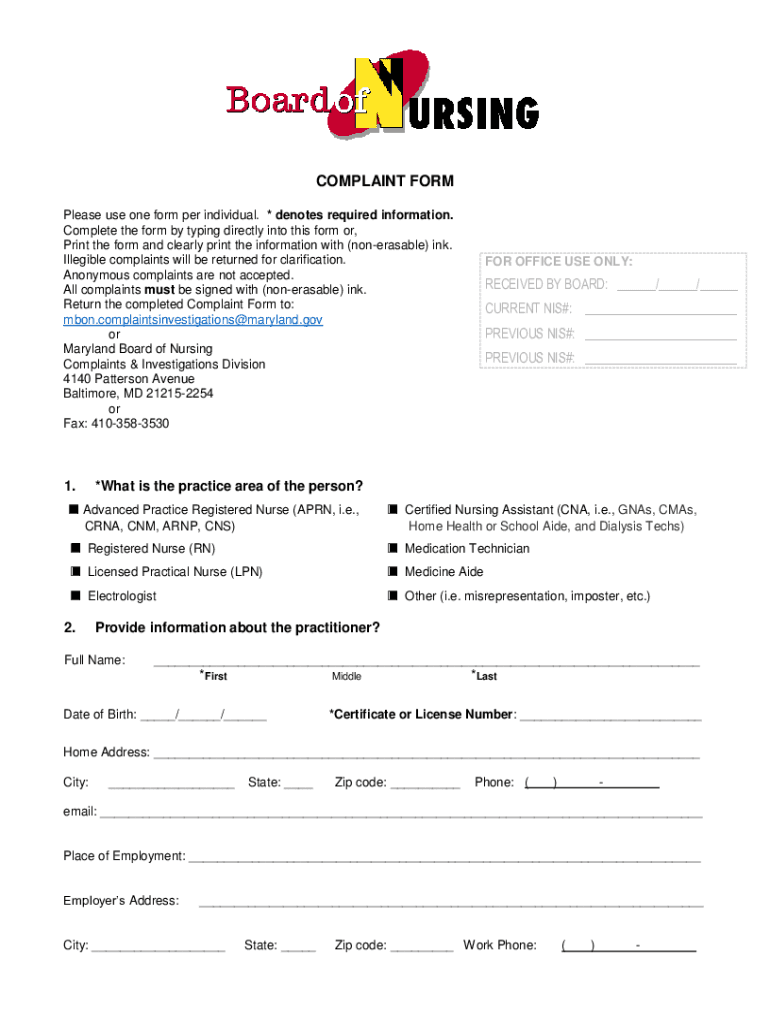







Definition & Meaning
The "Complaint for a Civil Case United States Courts Free Employee Complaint Form - PDF WordeForms FREE 4+ Cu" is a legal document used within the United States judicial system, specifically designed for individuals or entities to formally bring a complaint in civil court. The form provides a structured format to outline grievances and the legal basis for the complaint, guiding users to present their case for consideration by a court. Typically, it includes sections for the plaintiff's and defendant's details, the statement of claim, and any supporting documentation relevant to the case.
Purpose of the Form
- Identify Parties Involved: It captures essential information about the individuals or entities involved in the dispute.
- Outline Legal Violations: The form delineates alleged legal breaches or wrongdoings.
- Guide Court Proceedings: Provides a format for initiating legal proceedings in civil court.
How to Use the Complaint Form
The use of this complaint form revolves around legal proceedings, allowing individuals or organizations to file grievances officially. Below are steps and best practices for utilizing this document effectively:
Preparing the Document
- Gather Information: Collect all relevant facts, evidence, and contact information for all parties involved.
- Understand Legal Context: Be familiar with the legal grounds upon which your complaint is based, including state or federal law implications.
Completing the Form
- Provide Accurate Details: Ensure all sections of the form are filled with precise information to avoid delays or dismissals.
- Attach Supporting Documents: Include all necessary evidence such as contracts, communication logs, or witness statements to substantiate your claim.
Submission
- Choose a Method: The form can typically be submitted online, via mail, or in-person, depending on the court's requirements.
- Check Deadlines: Adhere to the filing deadlines specified by the jurisdiction to ensure procedural compliance.
Why Use This Complaint Form
Utilizing this form offers several advantages for those seeking legal resolution through civil court:
- Ensures Legal Formality: Provides a structured avenue to present facts and legal claims clearly and concisely.
- Facilitates Judicial Review: By following this standard form, the likelihood of the court accepting the complaint for review increases.
- Protects Legal Rights: Filing a complaint preserves the right to have grievances heard and potentially remedied by the court system.
Key Elements of the Complaint Form
The complaint form typically comprises several critical components that must be addressed to ensure its validity:
- Statement of Facts: A detailed account of the events leading to the complaint, focusing on factual accuracy.
- Claims for Relief: Specifies what the complainant aims to achieve through the court's intervention, such as monetary compensation or specific actions by the defendant.
- Jurisdictional Grounds: Establishes the court's authority to hear the case, which may be based on the parties' location, the nature of the legal issue, or other jurisdictional laws.
Legal Use of the Form
Understanding the legal context in which this form operates is critical to its effective use:
- Civil Litigation: Exclusively used for civil cases rather than criminal proceedings, focusing on disputes between private parties.
- Adherence to Legal Standards: Must comply with both state and national legal standards to be accepted by the court.
- Protecting Confidential Information: Parties should ensure that sensitive information is handled appropriately, leveraging password protection and secure submission methods.
Steps to Complete the Form
To ensure the form is completed correctly, follow these detailed steps:
- Review Instructions Carefully: Understand each section's requirements before filling out the form.
- Draft the Complaint: Use clear and concise language to outline your case.
- Ensure Legal Accuracy: If necessary, consult with a legal professional to ensure your claims are correctly articulated and substantiated.
- Verify All Information: Double-check all entries for accuracy and completeness.
- Submit the Form with Documentation: Include all supporting evidence and ensure the submission method complies with court guidelines.
State-Specific Rules
While the form provides a standard structure, users need to be aware of state-specific variations:
- Local Regulations: Each state may have its procedural nuances and additional requirements for civil complaints.
- Filing Fees: Understand the filing costs associated with submitting a complaint in your jurisdiction.
- Time Constraints: Be aware of state-specific statutes of limitations that may impact the eligibility to file a complaint.
Form Submission Methods
Understanding the submission methods enhances efficiency and ensures compliance:
- Online Platforms: Some jurisdictions allow electronic submission via court-approved platforms, which may offer quicker processing times.
- Mail and In-Person Submissions: Provides a traditional route, often requiring physical copies and adherence to business hours.
- Verification of Submission: Always check for confirmation of receipt from the court to ensure your complaint is being processed.
Each section provided above is designed to ensure thorough and relevant detailing of this legal process, centering around clarity, utility, and compliance with U.S. legal standards.




