Survey Report Form 2026

Get Form
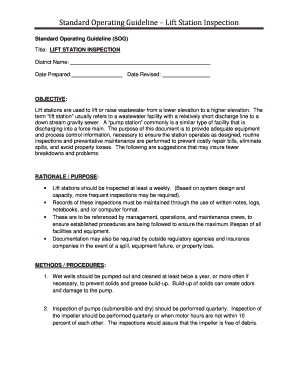
Survey Report Form Preview on Page 1

Here's how it works

01. Edit your form online
Type text, add images, blackout confidential details, add comments, highlights and more.

02. Sign it in a few clicks
Draw your signature, type it, upload its image, or use your mobile device as a signature pad.

03. Share your form with others
Send it via email, link, or fax. You can also download it, export it or print it out.

Definition and Meaning of the Survey Report Form

The "Survey Report Form" is a standardized document designed to capture detailed responses from participants regarding a specific subject matter. Typically used in sectors like research, education, and business, this form facilitates structured data collection that aids in comprehensive analysis. The form usually includes sections for quantitative input, like numeric ratings, and qualitative input, such as open-ended comments, providing a multifaceted view of the surveyed topic. This standardization ensures consistency in data collection, making it easier to compile and compare results across diverse datasets.

Key Elements of the Survey Report Form

A robust Survey Report Form consists of several key components aimed at ensuring comprehensive data collection.

  • Title and Introduction: Clearly states the purpose of the survey, offering participants context and clarity.
  • Instructions: Provides guidelines on how to fill out the form, underscoring the importance of each section.
  • Questionnaire Sections: Divided into subsections, such as demographic information, specific subject questions, and optional comment fields.
  • Rating Scales: Often utilizes Likert scales or similar methods for participants to quantify their responses.
  • Open-ended Questions: Allows for in-depth feedback, giving respondents the freedom to expound on their thoughts.

These elements collectively enable effective data acquisition and facilitate the subsequent analysis and reporting process.

How to Use the Survey Report Form

Using a Survey Report Form involves understanding its structure and filling it out accurately.

  1. Review the Introduction: Start by reading the form’s introduction to understand its objectives.
  2. Follow the Instructions: Pay close attention to any guidelines for how to respond to questions.
  3. Complete Each Section: Methodically work through demographic information, core questions, and any specialized areas.
  4. Provide Detailed Responses: Ensure qualitative sections are filled with ample detail when asked for open-ended responses.

Accurate completion of each section ensures the collected data is relevant and usable for analysis, helping organizations or researchers reach informed conclusions.

Steps to Complete the Survey Report Form

Completing the Survey Report Form requires a systematic approach:

  1. Gather Required Information: Ensure access to necessary input like pre-existing datasets or personal information relevant to the survey subject.
  2. Engage with Each Question: Read each question carefully before responding to ensure accurate data representation.
  3. Utilize Tools and Scales: Use provided scales or tools effectively to convey nuanced responses where appropriate.
  4. Review and Confirm: Double-check all entries for consistency and accuracy before submitting the form.

Who Typically Uses the Survey Report Form

A variety of users engage with Survey Report Forms for different purposes:

  • Researchers: To collect data on scientific studies or social research.
  • Educational Institutions: For evaluating programs, instructors, or student experiences.
  • Businesses: To gauge customer satisfaction or employee engagement.
  • Nonprofits: For community needs assessments or donor feedback.

Each user group leverages the form's structure for insights into their respective fields and projects.


decoration image ratings of Dochub

Legal Use of the Survey Report Form

The Survey Report Form follows ethical guidelines to ensure legally compliant data collection:

  • Informed Consent: Participants must be aware of the survey's purpose and any potential use of their data.
  • Anonymity and Confidentiality: Responses should be anonymized to protect participant identity.
  • Data Handling Policies: Clear procedures on data storage, use, and sharing should be outlined to participants.

Compliance with these legal frameworks ensures the ethical conduction of surveys and protects both respondents and organizations.

Digital vs. Paper Version

Digital formats of the Survey Report Form offer several advantages over traditional paper versions:

  • Accessibility: Digital forms can be completed remotely, expanding reach beyond local constraints.
  • Data Efficiency: Digital entries streamline data collection and analysis, reducing manual input errors.
  • Environmental Benefits: Eliminates paper usage, supporting eco-friendly practices.

Despite these benefits, paper forms may still be preferred in settings with limited digital infrastructure or for specific documentation needs.

Form Submission Methods

Once completed, there are various methods to submit the Survey Report Form:

  • Online Portals: Most commonly used, allows quick digital submission and immediate acknowledgment.
  • Email: Offers a personalized delivery channel, often used in smaller survey settings.
  • Mail: Still relevant for formal submissions or surveys requiring original signatures.
  • In-Person: Useful for surveys requiring immediate feedback or verification.

Each method offers varying degrees of convenience, confirmation, and security and can be chosen based on the specific context and requirements of the survey campaign.

be ready to get more

Complete this form in 5 minutes or less

Get form

Got questions?

We have answers to the most popular questions from our customers. If you can't find an answer to your question, please contact us.
Contact us
The features of a survey report include; a title page, table of contents, executive summary, background and objectives, methodology, results, conclusion and recommendations, and appendices. The content of the above-listed sections may, however, vary across the different types of survey reports.
Creating a new survey is simple: Visit . Click + NEW SURVEY. In step 1 (Write questions), select the appropriate question type(s) and write your question(s).
There are three broad types of survey studies reported in the eHealth literature: exploratory, descriptive, and explanatory surveys.
Example 1. A sample survey is conducted to determine the attitudes of individuals in a population toward a particular subject. The sample frame consists of N individuals, each of whose response is classified as either Favorable or Unfavorable.
When you think of a survey report, you likely picture graphs and pie charts displaying the data attained from closed-ended questions. This is important for a good survey report because it allows you to take in a large quantity of data at a glance, and can be easily distributed to those who may find the data valuable.

Security and compliance

At DocHub, your data security is our priority. We follow HIPAA, SOC2, GDPR, and other standards, so you can work on your documents with confidence.
Learn more
ccpa2
pci-dss
gdpr-compliance
hipaa
soc-compliance

People also ask

Step-by-Step Guide to Writing a Survey Report Step 1: Decide On Your Goals. Step 2: Gather and Organize Data. Step 3: Interpret Survey Findings. Step 4: Write the Report. Step 5: Draw Conclusions and Make Recommendations. Step 6: Edit and Review the Report.

Related links