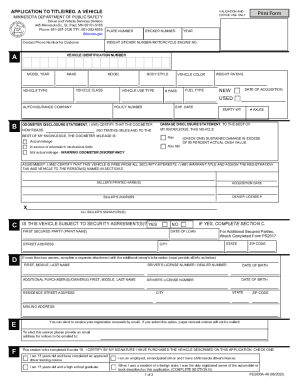
01. Edit your form online
Type text, add images, blackout confidential details, add comments, highlights and more.

Type text, add images, blackout confidential details, add comments, highlights and more.

Draw your signature, type it, upload its image, or use your mobile device as a signature pad.

Send it via email, link, or fax. You can also download it, export it or print it out.
The form "is it abn alabama wp-content" appears to be a placeholder or reference to content management within a WordPress site, rather than an official document like a tax form or application. In the context of WordPress, "wp-content" is a directory that houses all themes, plugins, and uploaded files. The term "abn" could refer to an Australian Business Number, but within a WordPress context and mentioning Alabama, it may denote a custom or localized utility within a WordPress site specific to Alabama.
Understanding how to use a formatter or a placeholder like "is it abn alabama wp-content" requires a basic understanding of WordPress structure:
Themes and Plugins: Accessing wp-content allows users to manually insert or edit themes and plugins. It's generally advisable to manage these via WordPress's dashboard unless a specific customization requires direct file access.
Content Storage: Files such as images or documents uploaded via the WordPress dashboard are stored in the wp-content/uploads directory. Direct interaction with these files is typically limited to advanced users with specific needs like file optimization or manual backup.
Given that "is it abn alabama wp-content" is not a conventional form to be filled out, steps here relate to interaction with WordPress:
Access the File Manager: Use a web-hosting file manager or an FTP client to access the wp-content directory. This is critical for users needing deeper customization or troubleshooting capabilities.
Locate Relevant Files: Navigate to subdirectories under wp-content, such as themes, plugins, or uploads. Identify files that require editing to achieve your specific objectives.
Make Necessary Edits: Use a plain text editor to make modifications. Always create backups before making changes to ensure you can revert if necessary.
Check Changes: After edits, ensure the site displays correctly. Errors such as "white screen" often result from syntax mistakes.
Acquiring access to "wp-content" involves having administrative privileges within your WordPress installation:
Administrator Role: Ensure you have admin access to utilize any part of wp-content efficiently. This access level allows changing themes, installing plugins, and uploading files directly via the WordPress dashboard.
Host Credentials: You may also need FTP credentials from your web hosting service. This technical requirement allows access beyond the standard dashboard interfaces.
To understand the function of "wp-content," familiarize yourself with key terms:
WordPress: A content management system predominantly used for website and blogging platforms.
Theme: Determines the look and feel of a WordPress site, stored under wp-content/themes.
Plugin: Extends functionality of a WordPress site, located in wp-content/plugins.
FTP (File Transfer Protocol): A standard network protocol used to transfer files from a server to a client.
Key structural elements housed within wp-content include:
Themes: Style files and templates that define the aesthetic and some interactive elements of a WordPress site.
Plugins: Scripts that offer additional features beyond WordPress’s core functionality, vital for SEO, security, and customization.
Uploads: A repository of media files such as images, documents, and videos uploaded through the WordPress interface.
While not a traditional form, working with "wp-content" indirectly interacts with several software solutions:
WordPress Dashboard: The primary user interface for managing site content and settings.
FTP Clients: Applications like FileZilla or Cyberduck that facilitate direct server file management.
Code Editors: Software such as Sublime Text or Notepad++ for editing PHP, CSS, and HTML files present in wp-content.
Businesses involved in content creation and management find the wp-content directory essential:
Web Development Agencies: Often customize themes and plugins.
SEO Firms: May utilize plugins located in wp-content for optimization purposes.
Digital Media Companies: Regularly access uploads for media file management and fulfillment.
Understanding these elements helps users leverage the wp-content directory effectively within their WordPress environment.
We've got more versions of the is it abn alabama wp-content form. Select the right is it abn alabama wp-content version from the list and start editing it straight away!
| Versions | Form popularity | Fillable & printable |
|---|---|---|
| 2018 | 4.8 Satisfied (82 Votes) |
At DocHub, your data security is our priority. We follow HIPAA, SOC2, GDPR, and other standards, so you can work on your documents with confidence.