01. Edit your data code worksheet online
Type text, add images, blackout confidential details, add comments, highlights and more.

Type text, add images, blackout confidential details, add comments, highlights and more.

Draw your signature, type it, upload its image, or use your mobile device as a signature pad.

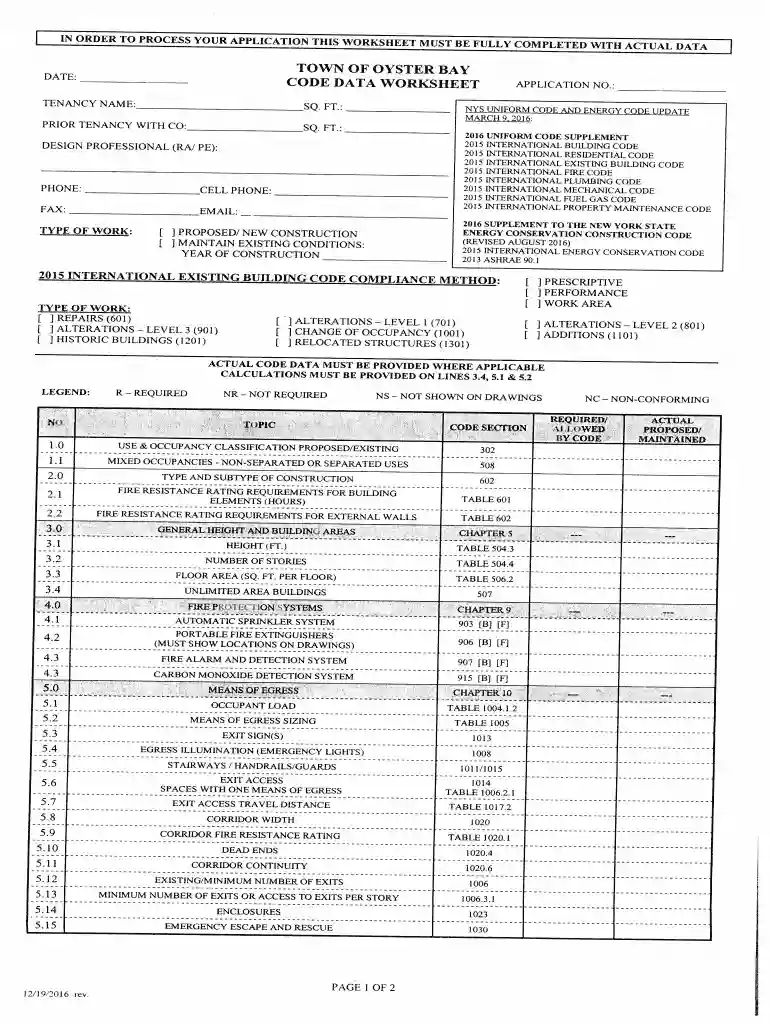
Send data code worksheet town oyster bay via email, link, or fax. You can also download it, export it or print it out.
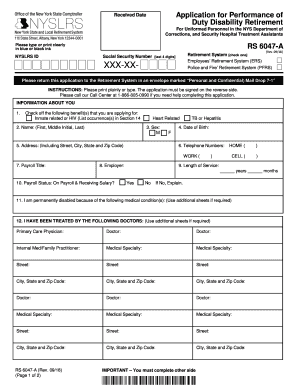
A data code worksheet is a structured document utilized by organizations and individuals to systematically organize and decode data. This tool aids in converting raw data into a more comprehensible format, ensuring accurate and efficient data management. Typically, the worksheet includes fields for entering various data codes along with descriptions, allowing users to categorize and interpret information effectively. The primary purpose is to ensure consistency and clarity in data handling, which is crucial for analytics and reporting.
Using a data code worksheet is a step-by-step process that focuses on accurate data entry and organization. Follow these guidelines to maximize its utility:
Data Collection: Gather all relevant data that needs to be coded. This may involve collecting sales figures, customer information, or employee details, depending on the context.
Identify Codes: Determine the specific codes that correspond to the data categories. Codes should be unique to avoid confusion and should represent clear categories or fields.
Data Entry: Enter the data into the worksheet, carefully inputting corresponding codes in designated fields. Use clear descriptions to ensure that data can be easily interpreted by other users.
Verify Accuracy: Double-check entries for accuracy and consistency. Errors in coding can lead to incorrect data analysis.
Analysis and Reporting: Utilize the completed worksheet to generate reports or conduct an analysis. Well-organized data facilitates efficient processing and insightful outcomes.
The data code worksheet is comprised of various elements that serve to enhance data interpretation and management:
Code Column: A section dedicated to inserting standardized codes that represent particular categories of data.
Description Field: Provides detailed information about what each code represents, offering context and clarity.
Data Field: Columns where the actual data is entered, corresponding to each code.
Summary Section: Aggregates data, providing an overview for quick reference and analysis.
Validation Rules: Conditions applied to ensure that data entries follow set standards, minimizing the chances of errors and inconsistencies.
Obtaining a data code worksheet can vary depending on the source and purpose. Generally, the following methods are most common:
Internal Creation: Many organizations create custom data code worksheets tailored to their specific needs. This is often done by data analysts or IT professionals within the company.
Download from Resources: Some industry-specific databases or software providers offer downloadable templates that users can customize according to their requirements.
Software Tools: Digital platforms like DocHub provide tools to create, manage, and share data worksheets online, offering templates and customization options to streamline the process.
Completing a data code worksheet involves meticulous data entry and verification. Here's a detailed step-by-step process to follow:
Prepare Data: Organize and review the data you intend to code. Ensure that it is complete and accurate before starting the entry process.
Match Codes: Associate each data entry with the appropriate code from the worksheet. Ensure the code accurately reflects the data category.
Enter Data: Input the data into the designated sections of the worksheet. Use clear and concise formatting to avoid misunderstandings.
Review Entries: Conduct a thorough review of all data entries and codes. Correct any discrepancies immediately to maintain worksheet integrity.
Finalize and Save: Once validated, save the worksheet securely. If using a digital platform, consider encrypting the file to protect sensitive information.
The data code worksheet, while primarily a data management tool, is also subject to legal guidelines to ensure data protection and privacy:
Compliance: Adhere to regulations such as GDPR or CCPA when handling personal data. Ensure that data coding and entry do not violate any privacy laws.
Access Control: Implement strict access protocols, allowing only authorized personnel to view or modify the worksheet.
Audit Trails: Keep detailed records of any changes made to the worksheet. This is crucial for audits and ensures accountability in data management practices.
Understanding specific terminology associated with data code worksheets can enhance effective usage and communication:
Code: A symbolic representation used to categorize data.
Field: A specific area within a worksheet designated for data or code entry.
Template: A pre-designed worksheet structure that facilitates standardized data entry.
Validation: The process of ensuring data accuracy and consistency through rules and checks.
Encryption: A method of protecting data by converting it into a secure format.
Data code worksheets are versatile tools used across various industries and sectors:
Data Analysts: Professionals who require structured data for analysis and reporting.
Accountants: Utilize worksheets to categorize financial data, enabling streamlined accounting processes.
Researchers: Employ worksheets for organizing research data, facilitating clear interpretation and results presentation.
Business Managers: Use worksheets to track and analyze business metrics, aiding strategic decision-making.
Overall, the data code worksheet is an essential tool for anyone involved in data management and analysis, providing a clear and structured approach to data organization.


We've got more versions of the data code worksheet form. Select the right data code worksheet version from the list and start editing it straight away!
| Versions | Form popularity | Fillable & printable |
|---|---|---|
| 2016 | 4.8 Satisfied (62 Votes) |
At DocHub, your data security is our priority. We follow HIPAA, SOC2, GDPR, and other standards, so you can work on your documents with confidence.