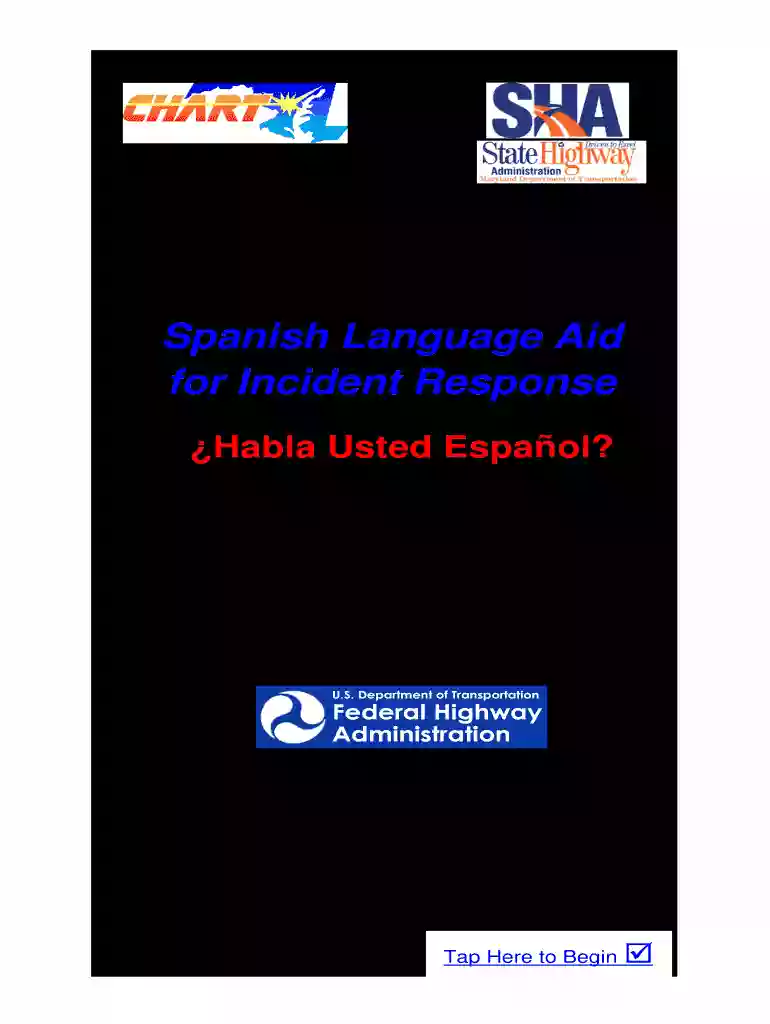
Of CHART - Coordinated Highways Action Response Team - 2026

Get Form
of CHART - Coordinated Highways Action Response Team - Preview on Page 1

Here's how it works

01. Edit your form online
Type text, add images, blackout confidential details, add comments, highlights and more.

02. Sign it in a few clicks
Draw your signature, type it, upload its image, or use your mobile device as a signature pad.

03. Share your form with others
Send it via email, link, or fax. You can also download it, export it or print it out.

Definition & Meaning

The "of CHART - Coordinated Highways Action Response Team -" form plays a crucial role in facilitating effective communication and coordinated efforts during highway incidents. It is designed to streamline the management of incidents on highways by providing essential information, guidance, and protocols to the involved parties. This form ensures that all parties, including emergency responders and highway users, are on the same page during critical situations. It covers a variety of topics such as emergency procedures, response protocols, and communication strategies, enabling a quicker and more effective resolution of highway incidents.

How to Use the Form

Using the CHART form involves several key steps to ensure that all the necessary information is recorded and communicated efficiently. Here's how you can effectively utilize the form:

  1. Identification of Incident Type:

    • Begin by identifying the nature of the highway incident to determine the appropriate response strategy.
  2. Gathering Essential Details:

    • Collect all vital information related to the incident such as location, time, vehicles involved, and any immediate hazards.
  3. Communicating with Responders:

    • Use the form to relay this information to the appropriate emergency responders and coordinators to ensure a swift response.
  4. Documenting Actions Taken:

    • Record any actions taken or decisions made during the response process to help in the evaluation and improvement of future response strategies.
  5. Facilitating Continuous Updates:

    • Use the form as a tool for real-time updates to share new developments and ensure all parties remain informed throughout the incident.

Steps to Complete the Form

Filling out the CHART form thoroughly and accurately is essential for effective incident management. The following steps outline the completion process:

  1. Personal Information Entry:

    • Start by entering your personal details, including name and contact information. This assists in accountability and follow-up procedures.
  2. Incident Description:

    • Provide a detailed account of the incident, including the sequence of events, the condition of the scene, and any immediate concerns.
  3. Resource Allocation:

    • List the resources or services required, such as medical assistance or traffic control, and note who is responsible for providing each service.
  4. Resolution Strategies:

    • Outline the strategies employed to manage the incident and mitigate risks.
  5. Signatures and Verifications:

    • Conclude by adding signatures from all parties involved to verify the information provided and confirm understanding and agreement.

Key Elements of the Form

The CHART form incorporates several critical elements essential for its effective use. These components ensure comprehensive data collection and response planning:

  • Incident Identification and Classification:

    • Categorizes the incident to determine the necessary response measures.
  • Communication Tools:

    • Provides fields for contact information of responders involved for smooth communication.
  • Hazard Identification:

    • Allows for the documentation of potential and existing hazards at the incident site.
  • Response Timeline:

    • Includes sections for time stamps to track response time and efficiency accurately.
  • Post-Incident Analysis:

    • Enables responders to reflect on the handling of the incident and suggests improvements.

Who Typically Uses the Form

The CHART form is primarily used by individuals and agencies involved in highway safety and incident management:

  • Emergency Responders:

    • Police officers, medics, and firefighters utilize the form to coordinate efforts and document actions.
  • Highway Management Authorities:

    • State and local highway authorities use the form to oversee and record highway incidents.
  • Transportation Companies:

    • Logistics and transportation firms leverage this form for managing accidents involving their fleet.
decoration image ratings of Dochub

Legal Use of the Form

The form guides legal use and compliance during highway incident management, including:

  • Documentation for Legal Proceedings:

    • Provides an official record that may be required during legal inquiries or proceedings post-incident.
  • Compliance with State and Federal Regulations:

    • Ensures actions and documentation adhere to applicable laws and guidelines.

Examples of Using the Form

Real-world scenarios illustrate the flexibility and utility of the CHART form:

  • Multi-Vehicle Accidents:

    • In incidents involving multiple vehicles, the form helps collect detailed accounts from each driver and witness to construct a comprehensive report.
  • Hazardous Material Spills:

    • In cases of hazardous material spills on highways, the form captures essential data on material type and spill containment measures taken.

Software Compatibility

The integration of the CHART form with various software systems enhances its functionality and accessibility:

  • Document Management Systems:

    • Compatible with document management platforms, allowing for easy storage and retrieval.
  • Mobile Applications:

    • Can be accessed and completed using mobile devices, enabling field personnel to input information in real-time.
  • GIS Tools:

    • Integrates with Geographic Information System (GIS) tools to provide location data and mapping capabilities.

By covering these in-depth topics, the content ensures a comprehensive understanding of the form's importance, application, and impact in managing highway incidents effectively.

be ready to get more

Complete this form in 5 minutes or less

Get form

Got questions?

We have answers to the most popular questions from our customers. If you can't find an answer to your question, please contact us.
Contact us
To report issues on a state-maintained roadway, please call the State Highway Administration (SHA) at 301.513. 7300 OR 410.582. 5660. The Operations Center is 1.800.
Report all highway emergencies not requiring police assistance, such as traffic signal outages and sinkholes, to our Statewide Operations Center at 1-800-543-2515 (toll-free) or 410-582-5650 (local).
Contact the Archives Reference Staff To contact the reference department, email msa.helpdesk@maryland.gov or call 410-260-6487.
The Maryland State Highway Administration (MSHA) maintains all roads that have route numbers. They include roads such as Georgia Avenue (MD 97), Connecticut Avenue (MD 185), Wisconsin Avenue / Rockville Pike / Frederick Road (MD 355), as well as Interstate highways within Montgomery County.
In order for us to better assist you please use the form below, or you may contact us at maa@mdot.state.md.us . We will respond to your inquiry as soon as possible. If your inquiry is related to a specific airline, please contact the airline directly.

Security and compliance

At DocHub, your data security is our priority. We follow HIPAA, SOC2, GDPR, and other standards, so you can work on your documents with confidence.

Learn more
ccpa2
pci-dss
gdpr-compliance
hipaa
soc-compliance

People also ask

The Maryland Department of Transportation State Highway Administration (MDOT SHA) owns and maintains roads that have a number as well as a name. For example: Interstate Routes such as: I-68, I-95, I-70, I-695 (Marked with a blue and red Interstate shield-shaped sign)
Taxpayer assistance is also available via email taxhelp@marylandtaxes.gov or by calling 1-800-MDTAXES.

Related links