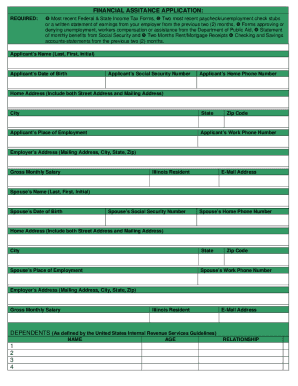
01. Edit your form online
Type text, add images, blackout confidential details, add comments, highlights and more.

Type text, add images, blackout confidential details, add comments, highlights and more.

Draw your signature, type it, upload its image, or use your mobile device as a signature pad.

Send it via email, link, or fax. You can also download it, export it or print it out.
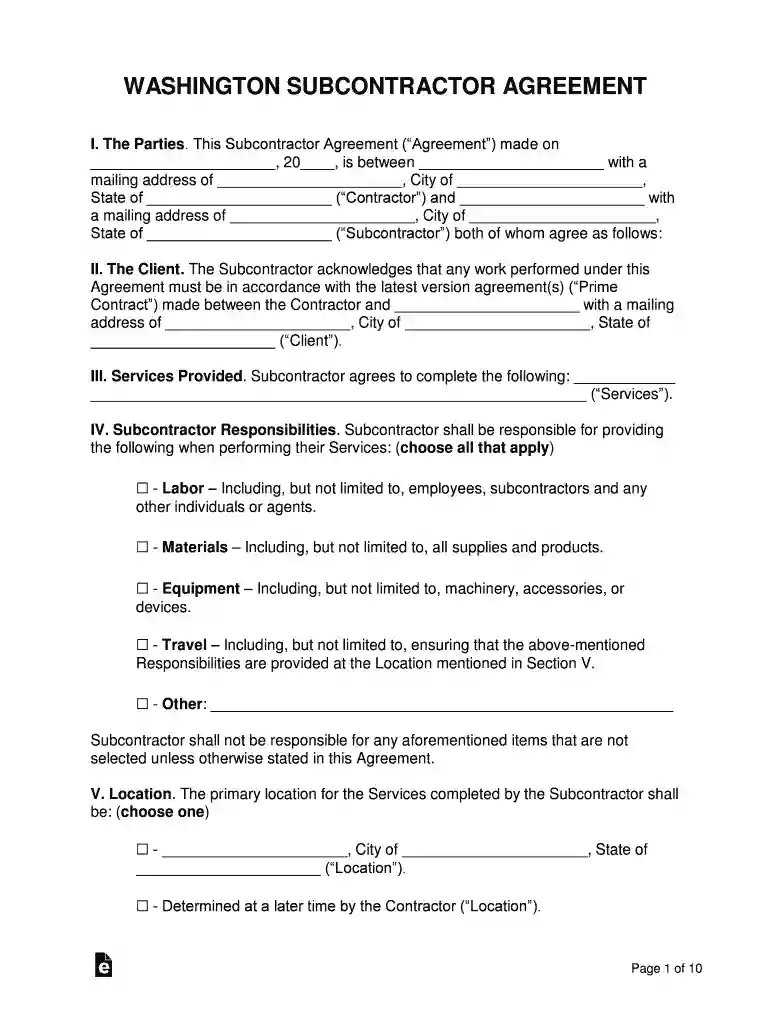
The Washington Subcontractor Agreement Template serves as a formal document detailing the relationship and responsibilities between a contractor and a subcontractor in the state of Washington. It is essential for defining the expectations of both parties, ensuring clarity, and reducing misunderstandings. The agreement highlights the independent contractor status of the subcontractor, distinguishing them from employees and specifying the work to be performed. This document is crucial in delineating the scope of services, outlining payment schedules, and establishing the terms for insurance coverage, confidentiality, and dispute resolution.
The template includes several critical sections that detail the working relationship between the contractor and subcontractor:
This template is primarily used by contractors and subcontractors operating in a wide range of industries, including construction, IT services, and professional consulting. It is beneficial for any business engaging subcontracted individuals or entities to perform specialized tasks. Typically, companies that need to scale their operations temporarily or require specific expertise outside their core capabilities will use such agreements.


In Washington, this agreement must comply with state employment laws and regulations. It outlines the independent status of subcontractors with certain legal stipulations such as acknowledgement clauses that reaffirm the contractor’s and subcontractor’s understanding of their independent relationship. Therefore, the document must be crafted to adhere to state-specific labor laws, ensuring all parties are protected and obligations are met.
Understanding the common terms used within subcontractor agreements can clarify the contractual obligations:
Washington state has specific requirements that influence subcontractor agreements, including whether subcontractors need licenses, certifications, or specific permits to perform their work. It is imperative that the template reflects compliance with state construction laws, contractor registration, and worker classification standards to avoid legal disputes and penalties.
These examples demonstrate how an effectively structured subcontractor agreement can provide clarity and protection for both contractors and subcontractors across various industries.
We've got more versions of the Washington Subcontractor Agreement Template form. Select the right Washington Subcontractor Agreement Template version from the list and start editing it straight away!
| Versions | Form popularity | Fillable & printable |
|---|---|---|
| 2019 | 4.8 Satisfied (146 Votes) |
At DocHub, your data security is our priority. We follow HIPAA, SOC2, GDPR, and other standards, so you can work on your documents with confidence.