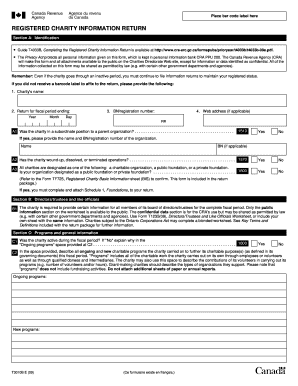
01. Edit your opcf 27 online
Type text, add images, blackout confidential details, add comments, highlights and more.

Type text, add images, blackout confidential details, add comments, highlights and more.

Draw your signature, type it, upload its image, or use your mobile device as a signature pad.

Send opcf27 via email, link, or fax. You can also download it, export it or print it out.
The "OPCF 27" Endorsement, also known as the Legal Liability for Damage to Non-Owned Automobiles, is an addition to an auto insurance policy in Canada, primarily governing the use of vehicles that are rented, leased, or borrowed. This coverage is crucial for extending liability and damage coverage to vehicles not owned by the insured, giving peace of mind when driving cars that do not belong to them. This endorsement addresses specific scenarios, providing protection up to a designated limit and specifying the types of vehicles covered, typically those with a Gross Vehicle Weight Rating of 4,500 kilograms or less.
Using the OPCF 27 endorsement effectively requires an understanding of when and where it applies. When an insured individual rents or borrows a vehicle, the endorsement ensures that their existing auto insurance coverage extends to these non-owned vehicles. Users must ensure the rental or borrowed vehicle does not exceed the weight limitations established in the endorsement. It's crucial to note that the OPCF 27 provides secondary coverage, meaning it applies after any coverage offered by the rental agreement.
To obtain the OPCF 27 endorsement, contact your insurance provider to discuss adding it to your existing policy. Some insurance companies may offer it as part of a comprehensive package or as an optional add-on. The process involves filling out additional paperwork, potentially undergoing a risk assessment, and likely an adjustment in your premium to reflect the expanded coverage.
Several terms are important for understanding the OPCF 27 endorsement:
Understanding these terms ensures clear comprehension of where and when the endorsement applies, facilitating more informed decision-making when renting or borrowing vehicles.
The key components of the OPCF 27 endorsement focus on liability and damage coverage:
Numerous scenarios highlight the utility of the OPCF 27 endorsement:
Legally incorporating the OPCF 27 into an insurance coverage portfolio ensures compliance with regional auto insurance regulations and protects against unforeseen liabilities. It's critical for frequent travelers or businesses that utilize rental vehicles regularly. This endorsement provides a contractual guarantee for liability protections, supporting the insured against potential lawsuits or financial loss due to accidents while driving a non-owned vehicle.
While the OPCF 27 is standardized across Canada, certain regional differences might affect its application:
Misunderstandings stemming from regional variations can be circumvented through detailed discussions with regional insurance representatives or agents, ensuring clarity in coverage entitlement and execution.
The OPCF 27 is utilized by various individuals and organizations that often engage with non-owned vehicles. Frequent travelers, businesses with employees who rent vehicles for work purposes, and individuals who borrow cars often find this endorsement crucial.


This diverse application spectrum ensures broad applicability and necessity for the endorsement, catering to various user needs and risk profiles.
We've got more versions of the opcf 27 form. Select the right opcf 27 version from the list and start editing it straight away!
| Versions | Form popularity | Fillable & printable |
|---|---|---|
| 2010 | 4.9 Satisfied (49 Votes) |
At DocHub, your data security is our priority. We follow HIPAA, SOC2, GDPR, and other standards, so you can work on your documents with confidence.