01. Edit your form online
Type text, add images, blackout confidential details, add comments, highlights and more.

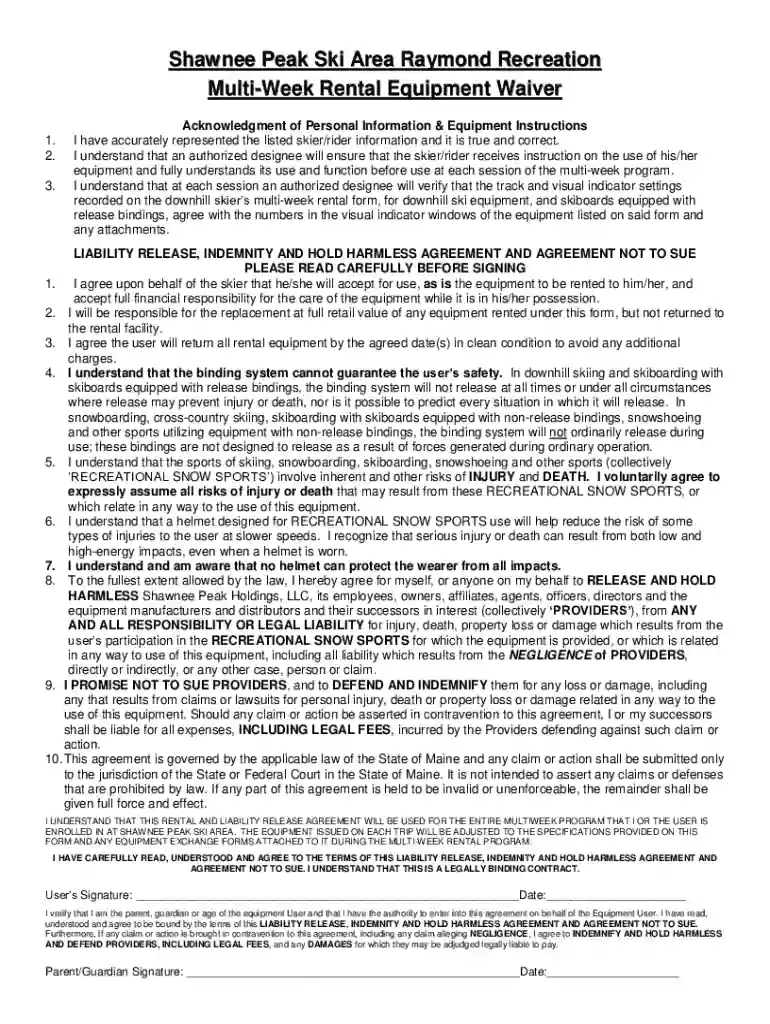
Type text, add images, blackout confidential details, add comments, highlights and more.

Draw your signature, type it, upload its image, or use your mobile device as a signature pad.

Send it via email, link, or fax. You can also download it, export it or print it out.
The Federal Tort Claims Act (FTCA) HandbookPDF serves as a comprehensive guide detailing the procedures and regulations concerning claims against the United States for monetary damages due to the negligence of government employees. This document provides clarity on the nuances of filing a claim under the FTCA, ensuring that potential claimants have the necessary knowledge to navigate the process effectively. It outlines the boundaries within which federal government liability is assessed, focusing primarily on wrongful acts by federal employees acting within their official duties.
Efficient use of the FTCA HandbookPDF begins with understanding its structured layout, which typically includes step-by-step instructions on filing a claim, examples of cases, and definitions of key legal terms. Users should start by identifying the sections relevant to their case, such as eligibility criteria and the type of claims permissible under the FTCA. The handbook can serve as a guide through each stage of the claims process, and users are encouraged to cross-reference relevant legal citations provided within the document for further clarification.
Completing the FTCA HandbookPDF involves several methodical steps. Users should first gather pertinent details about the incident, including dates, locations, and evidence of government employee negligence. Following this, the form itself needs careful completion:
The handbook is predominantly used by individuals or entities seeking compensation for wrongful actions performed by federal employees. This includes personal injury victims, property damage claimants, and legal professionals representing affected parties. Government agencies and departments may also refer to the handbook to understand liability and procedural compliance from their employees' perspective.


Several critical elements are embodied within the FTCA HandbookPDF:
The FTCA HandbookPDF is utilized for legal purposes to guide both claimants and legal advisors in navigating claims against the government. It supports adherence to statutory procedures, helping to prevent potential pitfalls and ensuring that claims meet all legal formalities required under the FTCA. Legal professionals often use the handbook during counsel and litigation phases.
State-specific rules may affect how FTCA claims are interpreted and processed, given states' distinct legal nuances. While the FTCA is a federal statute, understanding regional legal interpretations is crucial, particularly concerning negligence standards and governmental liability definitions. The handbook provides an overview while advising claimants to consult with local legal experts to address regional discrepancies.
Understanding the handbook is vital for effectively pursuing claims under the FTCA. It offers invaluable insights into the rights and obligations of the involved parties, empowering claimants to advocate for fair compensation. Additionally, it prepares government entities to comply with legal requirements, contributing to the larger framework of accountability within federal operations.
We've got more versions of the Federal Tort Claims Act (FTCA) HandbookPDF form. Select the right Federal Tort Claims Act (FTCA) HandbookPDF version from the list and start editing it straight away!
At DocHub, your data security is our priority. We follow HIPAA, SOC2, GDPR, and other standards, so you can work on your documents with confidence.