
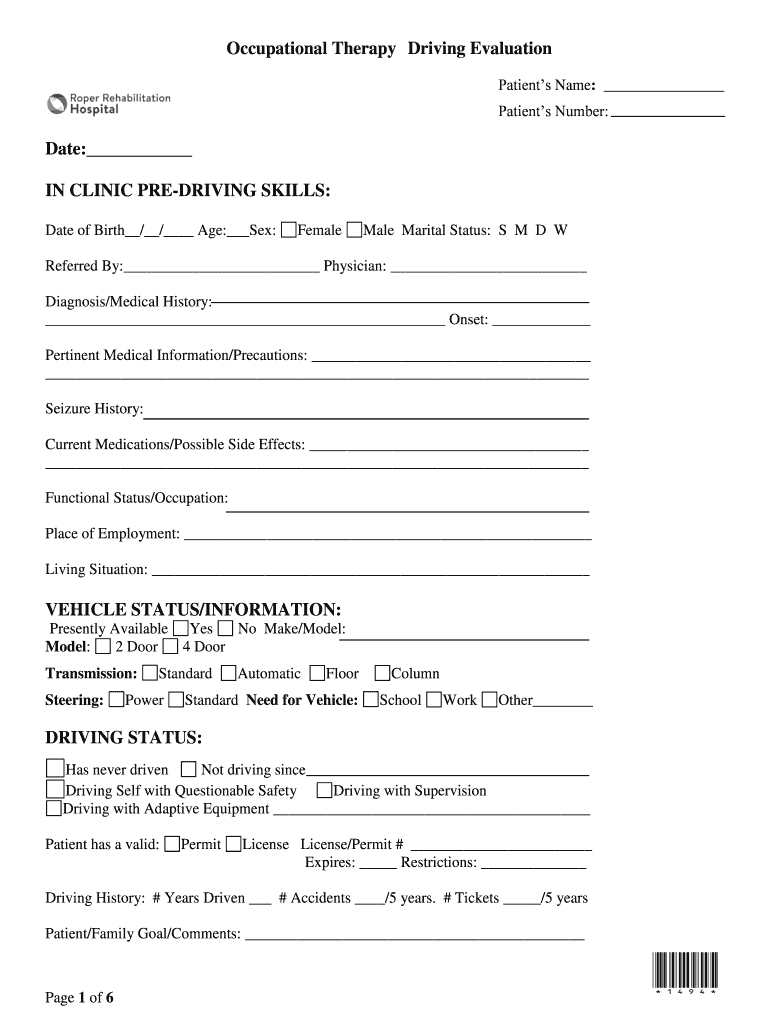







Definition & Purpose of the Adapted Driving Program - Sharp Rehabilitation San Diego
The "Adapted Driving Program - Sharp Rehabilitation San Diego" is a specialized service designed to assess and enhance the driving capabilities of individuals with physical or cognitive impairments. This program is particularly beneficial for those recovering from injuries, surgeries, or conditions such as stroke, traumatic brain injury, or degenerative diseases. It aims to evaluate a patient's ability to operate a vehicle safely and determine if adaptive equipment or modifications are necessary.
Core Objectives
- Assessment: Evaluate an individual’s current driving ability through various tests and simulations.
- Rehabilitation: Provide tailored training and strategies to help regain driving skills.
- Adaptation: Recommend specific vehicle modifications or adaptive devices.
- Safety: Ensure that all participants can drive safely and comply with road regulations.
How to Use the Adapted Driving Program
Participation in the Adapted Driving Program involves a structured process that integrates medical assessments and driving evaluations. Here’s how to effectively engage with the program:
Steps for Involvement
- Initial Consultation: Start by scheduling a consultation with a licensed occupational therapist specializing in driving assessments.
- Evaluation: Undergo a comprehensive driving evaluation that includes cognitive, physical, and vision assessments.
- Training: Depending on the evaluation results, participate in driver rehabilitation training sessions to improve specific skills.
- Adaptation Recommendations: Receive suggestions for necessary vehicle modifications and adaptive devices tailored to individual needs.
- Final Assessment: Complete a follow-up assessment to ensure readiness for driving with or without adaptations.
Steps to Complete the Adapted Driving Program
Completing the program involves a multi-step process, ensuring participants receive the necessary skills and adaptations for safe driving.
Completion Process
- Assessment Scheduling: Contact Sharp Rehabilitation to book an assessment appointment.
- Documentation Review: Provide all necessary medical records and personal information for the initial review.
- Evaluation Day: Participate in the scheduled driving assessments, which might include simulated driving tasks.
- Training Sessions: Attend rehabilitation sessions as prescribed, focusing on specific areas such as road safety, and device handling.
- Equipment Installation: Collaborate with vehicle adaptation professionals to install recommended modifications.
- Final Evaluation: Return for a final road test to verify the efficacy of adaptations and training.
Why Participate in the Program
Utilizing the Adapted Driving Program can significantly enhance the quality of life by promoting independence through improved driving capabilities.
Benefits
- Increased Independence: Enables individuals to regain mobility and independence.
- Enhanced Safety: Reduces the risk of accidents by ensuring drivers are adequately prepared.
- Personalized Adjustments: Offers tailored solutions that cater to specific needs and conditions.
- Professional Support: Access to a team of experts in rehabilitation and adaptive driving solutions.
Key Elements of the Program
The program is composed of several critical components designed to optimize the driving capabilities of participants.
Program Components
- Comprehensive Evaluation: Involves a thorough assessment of physical, cognitive, and visual abilities.
- Customized Training: Offers specific driving skill enhancement sessions tailored to individual requirements.
- Adaptation Solutions: Recommends and facilitates necessary vehicle modifications.
- Ongoing Support: Provides continuous assistance and monitoring throughout the program duration.
Who Typically Uses the Program
The Adapted Driving Program caters to a diverse group of individuals who face challenges in traditional driving due to various conditions.


Target Participants
- Post-Surgery Patients: Individuals recovering from surgical procedures affecting mobility.
- Traumatic Brain Injury Survivors: People who have sustained brain injuries impacting cognitive and motor functions.
- Elderly Drivers: Seniors needing adjustments to cope with age-related changes.
- People with Disabilities: Individuals requiring adaptive devices to drive safely.
State-Specific Rules for Participation
While the program is based in San Diego, specific state laws and regulations impact participation and implementation.
California Regulations
- Licensing Requirements: Participants must comply with the California Department of Motor Vehicles' regulations regarding adaptive equipment usage.
- Evaluation Credentials: Evaluations must be conducted by professionals certified to perform occupational therapy driving assessments.
- Vehicle Modifications Compliance: All suggested vehicle modifications must meet state safety standards.
Required Documentation
Participants need to provide specific documents to enroll and participate in the program effectively.
Necessary Paperwork
- Medical Records: Documentation of medical history relevant to driving capabilities.
- Identification: A valid driving license or state-issued ID.
- Insurance Information: Proof of insurance covering adaptive vehicles, if applicable.
- Previous Driving records: Records that include any past incidents or current restrictions.
This detailed approach ensures that the program can cater to the specific needs of individuals, promoting a safe and independent driving experience.




