
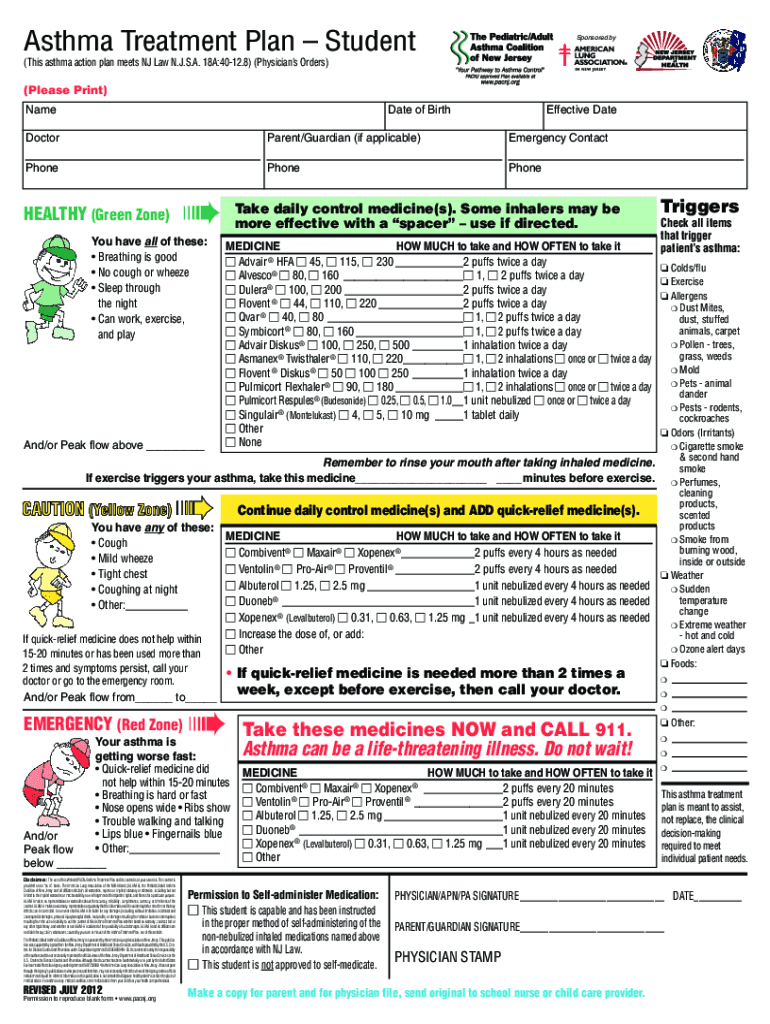







Definition & Meaning
The term "form online" refers to a digital document available on the internet that can be filled out, submitted, and processed electronically. These forms range from simple contact forms to complex applications and are used to collect data, authorize actions, or facilitate transactions without the need for physical paperwork. Online forms streamline the interaction between the form creator and the respondent, allowing for efficient data collection in various contexts.
How to Use the Form Online
Using a form online involves several steps that ensure a smooth and effective process:
-
Access the Form: Navigate to the website or platform hosting the form. This could be through a direct link, a search query, or a specific section of an organization's website.
-
Read Instructions Carefully: Before filling out any fields, read through instructions, guidelines, or any reference material provided to understand the form's requirements fully.
-
Input Data: Enter the necessary information in the corresponding fields. Use the appropriate format for dates, currency, or any other specified data types.
-
Review for Accuracy: After completing the form, review all entered data to ensure accuracy and completeness. Confirm that all required fields are filled.
-
Submit the Form: Follow the submission process, which typically involves clicking a "Submit" button. You may receive a confirmation message or email indicating that your form has been successfully submitted.
Steps to Complete the Form Online
Completing a form online typically follows several key steps:
-
Preparation: Gather all necessary information and documents before starting. This may include personal identification, financial records, or other relevant data.
-
Form Filling:
- Enter your information accurately.
- Use any available tools, such as auto-fill features for common information.
- Attach any required documents by using the upload functionality.
-
Validation: Check built-in validation features that might highlight missing or incorrectly formatted fields. Correct any errors before proceeding.
-
Verification: Some forms may require verification of the data entered. This could involve confirming details through a secondary system or a call back mechanism.
-
Submission Confirmation: Ensure you receive confirmation of submission, which may be displayed on-screen or sent via email. This confirmation often includes a reference number or receipt for tracking purposes.
Why Should You Form Online
Choosing to fill out forms online offers numerous benefits:
-
Convenience: Access forms anytime and from anywhere as long as you have an internet connection, eliminating travel to physical locations.
-
Speed: Electronic submissions are processed faster than traditional mail, reducing the time it takes to receive a response or decision.
-
Cost-Effective: Save on postage and transportation costs associated with paper submissions.
-
Environmentally Friendly: Reduce paper usage and contribute to environmental conservation efforts.
-
Efficiency: Integrated error-checking capabilities prevent submission of incomplete or incorrect forms.
Who Typically Uses the Form Online
Online forms cater to a diverse range of individuals and organizations:
-
Individuals: People filling out job applications, registering for events, or submitting requests.
-
Businesses: Organizations seeking to streamline internal processes, collect customer feedback, or conduct surveys.
-
Government Agencies: Facilitating public services such as license applications, tax submissions, or benefit claims.
-
Educational Institutions: Managing student enrollment, scholarship applications, and course registrations.

Key Elements of the Form Online
Essential components of an online form often include:
-
User-Friendly Interface: Designed to be intuitive and accessible for users of varying tech-savviness.
-
Form Fields:
- Text boxes for entering details
- Dropdowns for selecting among predefined options
- Checkboxes and radio buttons for simple yes/no or multiple-choice questions
-
Validation Mechanisms: Real-time error alerts that help ensure data integrity before submission.
-
Submission Button: An explicit action button to finalize and send your completed form.
-
Confirmation Mechanism: Immediate feedback confirming submission, often coupled with a unique reference ID.
Legal Use of the Form Online
Forms used online must comply with legal requirements to be binding:
-
Privacy Compliance: Adherence to laws protecting personal information, such as GDPR or CCPA, ensuring user data is collected and stored responsibly.
-
Electronic Signatures: Validity under acts like the ESIGN Act, enabling documents signed electronically to be legally recognized.
-
Accessibility: Meeting standards to ensure people with disabilities can complete the forms (e.g., Section 508 compliance).
-
Terms and Conditions: Clear articulation of the legal implications tied to the form’s purpose and use.
Examples of Using the Form Online
Online forms are prevalent across multiple sectors:
-
Tax Filing: Individuals submit their tax returns electronically using IRS forms available online.
-
College Applications: Students apply to universities via online portals, streamlining admissions processes.
-
Loan Applications: Financial institutions offer online forms for quick loan application and processing.
-
Health Services: Patients use online forms to book appointments or renew prescriptions, improving accessibility and patient care efficiency.




