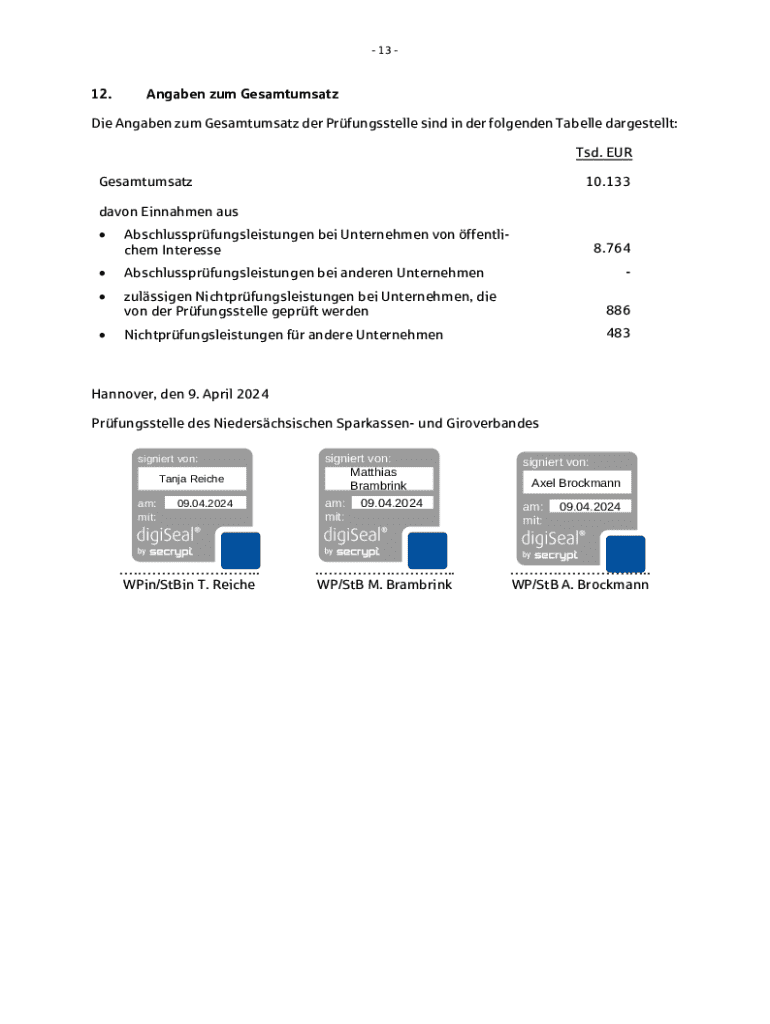







Definition & Meaning
The "13 der Verordnung (EU) Nr" refers to a specific section within a European Union regulation that impacts certain legal and administrative procedures. While its exact application can vary depending on the context, it typically involves mandates that ensure compliance with specific EU guidelines. This regulation might affect various sectors, including finance, auditing, and data protection, depending on the full title of the regulation it belongs to. Understanding the purpose and application of this specific section is crucial for businesses and individuals operating within the EU framework, particularly if the regulation pertains to their operational area.
How to Use the 13 der Verordnung (EU) Nr
Utilizing the 13 der Verordnung (EU) Nr effectively requires a thorough understanding of the relevant EU regulation. Entities that need to comply with this section must closely follow the guidelines outlined within the regulation, ensuring all required actions are adhered to. This might include maintaining specific records, conducting regular audits, or implementing new compliance measures. For those unfamiliar with EU regulations, consulting legal professionals or compliance experts is recommended to avoid potential pitfalls or misunderstandings.
Steps to Complete the 13 der Verordnung (EU) Nr
- Review the Regulation: Understand the full context and requirements of the regulation that includes the 13 der Verordnung (EU) Nr.
- Gather Required Information: Collect all necessary data, documents, or information needed to comply with this particular section.
- Implement Compliance Measures: Put in place any procedures or changes needed within your organization to meet the regulatory requirements.
- Document Actions: Maintain accurate records of compliance measures and any associated documentation for future audits or reviews.
- Consult Experts: Engage with legal or regulatory experts to ensure comprehensive compliance with the regulation.
Key Elements of the 13 der Verordnung (EU) Nr
The key elements of the 13 der Verordnung (EU) Nr often include specific requirements that entities must fulfill to remain compliant. These may involve:
- Monitoring activities that align with regulatory standards,
- Reporting procedures that must be submitted within set timelines,
- Data protection and privacy measures that need to be enacted,
- Security protocols to protect sensitive information.
Important Terms Related to 13 der Verordnung (EU) Nr
- Regulatory Compliance: Adherence to laws, regulations, guidelines, and specifications relevant to business operations.
- EU Regulation: Binding legislative act that must be applied in its entirety across the EU.
- Auditing: Systematic examination and evaluation of compliance and operations.
- Data Protection: Process of safeguarding important information from corruption or loss.
Legal Use of the 13 der Verordnung (EU) Nr
Legally, the 13 der Verordnung (EU) Nr serves as a mandate within EU legislation that entities must comply with. Failure to adhere to this section can result in penalties or other legal ramifications. Organizations should ensure they understand the legal implications and take proactive steps to integrate the necessary changes into their operations. Legal counsel can provide guidance on navigating these requirements effectively.
Software Compatibility
For businesses using software solutions like TurboTax or QuickBooks, understanding compatibility with the 13 der Verordnung (EU) Nr can streamline compliance efforts. These platforms may offer tools or modules specifically designed to help track and manage compliance with EU regulations, allowing for more efficient data handling and reporting.
Penalties for Non-Compliance
Non-compliance with the 13 der Verordnung (EU) Nr can lead to significant penalties, including fines, legal repercussions, and damage to reputation. The specific penalties depend on the regulation's scope and the jurisdiction enforcing it. Companies should prioritize understanding these risks and implement robust systems to ensure compliance, thereby minimizing exposure to potential penalties.